The poster presents Pinehurst No. 2 not as a tournament scene but as a studied portrait of place shaped around a single human presence. Broad bands of sand and the skeletal rhythm of widely spaced pines form a pared-back stage; a lone golfer—unnamed, composed—places posture and ritual at the center. Because the image reduces elements to line, texture and measured negative space, the player reads as both subject and scale marker: the human figure gives the landscape its frame and the composition its quiet authority.
What holds the eye is the golfer's stance. The head, shoulders and set of the arms establish a vertical axis against the horizontal sweep of sandy hollows. This is a pre-shot calm rather than a frozen moment of impact: knees engaged but relaxed, weight managed quietly, hands settled on the club with practised restraint. These subtleties of posture—where the tension is internal and the silhouette refined—are the poster’s emotional vocabulary. They translate the game's rituals into a visual language you can feel from across the room.
Sand becomes more than surface here; it is the poster's primary texture. Pale, granular planes catch light without fuss and give the scene a soft, graphic austerity. Between these bright fields, the pines punctuate negative space with upright, almost architectural rhythm. Their spacing and the way they fracture the horizon reinforce a sense of discipline and reserve that echoes the player’s economy of motion. The result is a decorative composition that reads as much like modernist print as it does like landscape photography.
[IMAGE_INSERT_ARTICLE_01]
Because there are no crowds, no signage and no visible equipment clutter, attention stays on gesture and alignment. The club’s line, the player’s gaze and the slope of the sand converge into a quiet diagram of intent. That simplicity makes the artwork adaptable: in a study, the piece suggests contemplation and controlled focus; in a home hallway, it offers a calm, directional energy; in a golf room, it reads as a refined study of craft and temperament rather than fanfare. It is a gift that projects a memory of the game’s ritual—arrived at through posture, not narrative.
The palette—muted tans, deep pine greens and soft sky tones—keeps the poster decoratively spare. This restraint matters; it prevents the image from dominating a room while still offering a strong focal point. The golfer, placed with deliberate negative space around them, becomes an object lesson in composure: a reminder that great presence often comes from how one occupies silence rather than from what one declares loudly.
For anyone seeking golf gifts for dad that speak to taste and temperament rather than fandom, this poster offers specificity. It appeals to those who appreciate the game's rituals—the measured breath before a swing, the quiet alignment of body and club—and want a piece that will age calmly on a wall. The image is not about fame or victory; it is about posture, calm concentration and the decorative distinction of a storied landscape reduced to essentials.
Author:

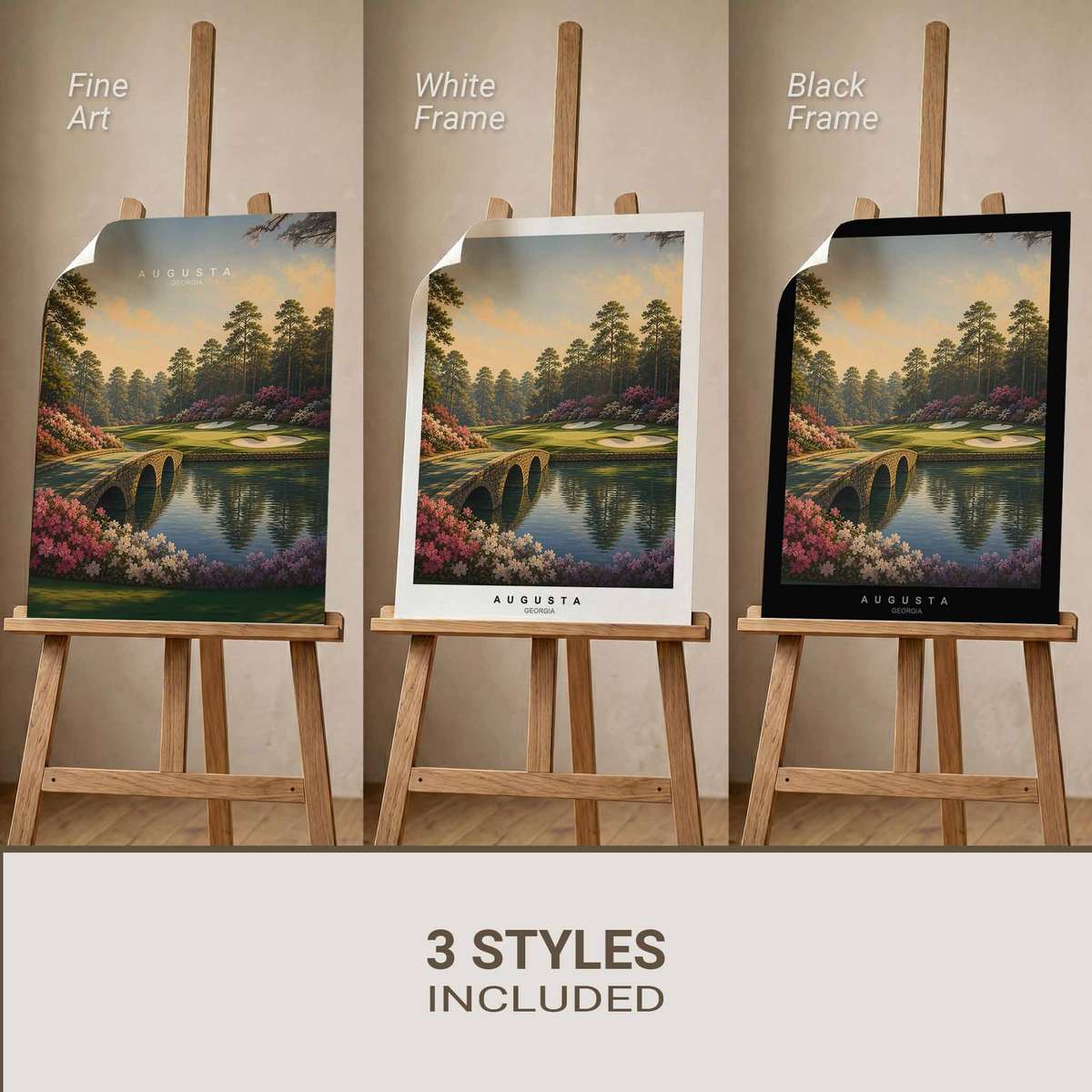

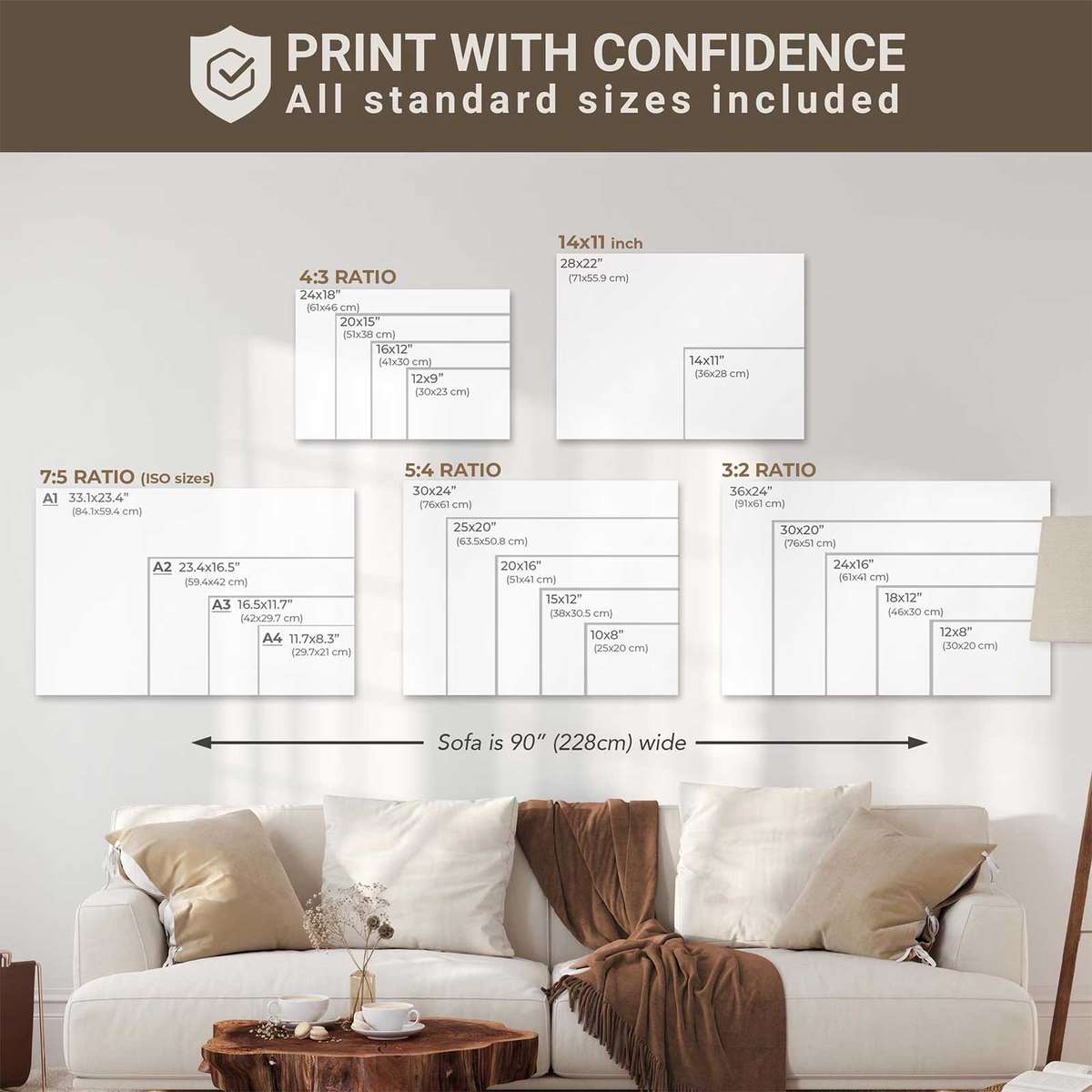
 ↧ Digital download
Pinehurst No. 2: The Elegant Austerity of a Golf Course Print
Digital download
↧ Digital download
Pinehurst No. 2: The Elegant Austerity of a Golf Course Print
Digital download
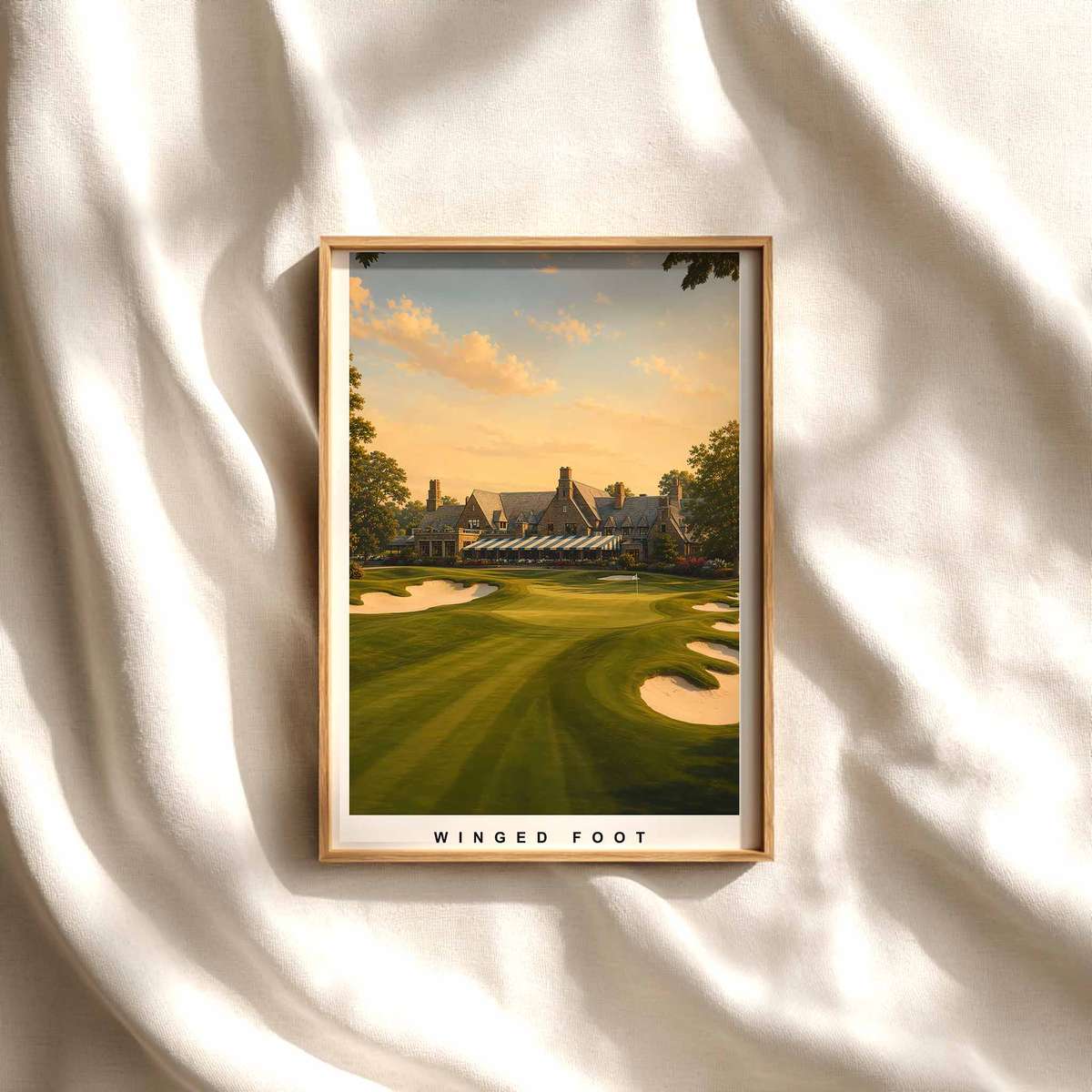 ↧ Digital download
Winged Foot West: Visual Gravity in Golfer-Led Wall Art
Digital download
↧ Digital download
Winged Foot West: Visual Gravity in Golfer-Led Wall Art
Digital download
 ↧ Digital download
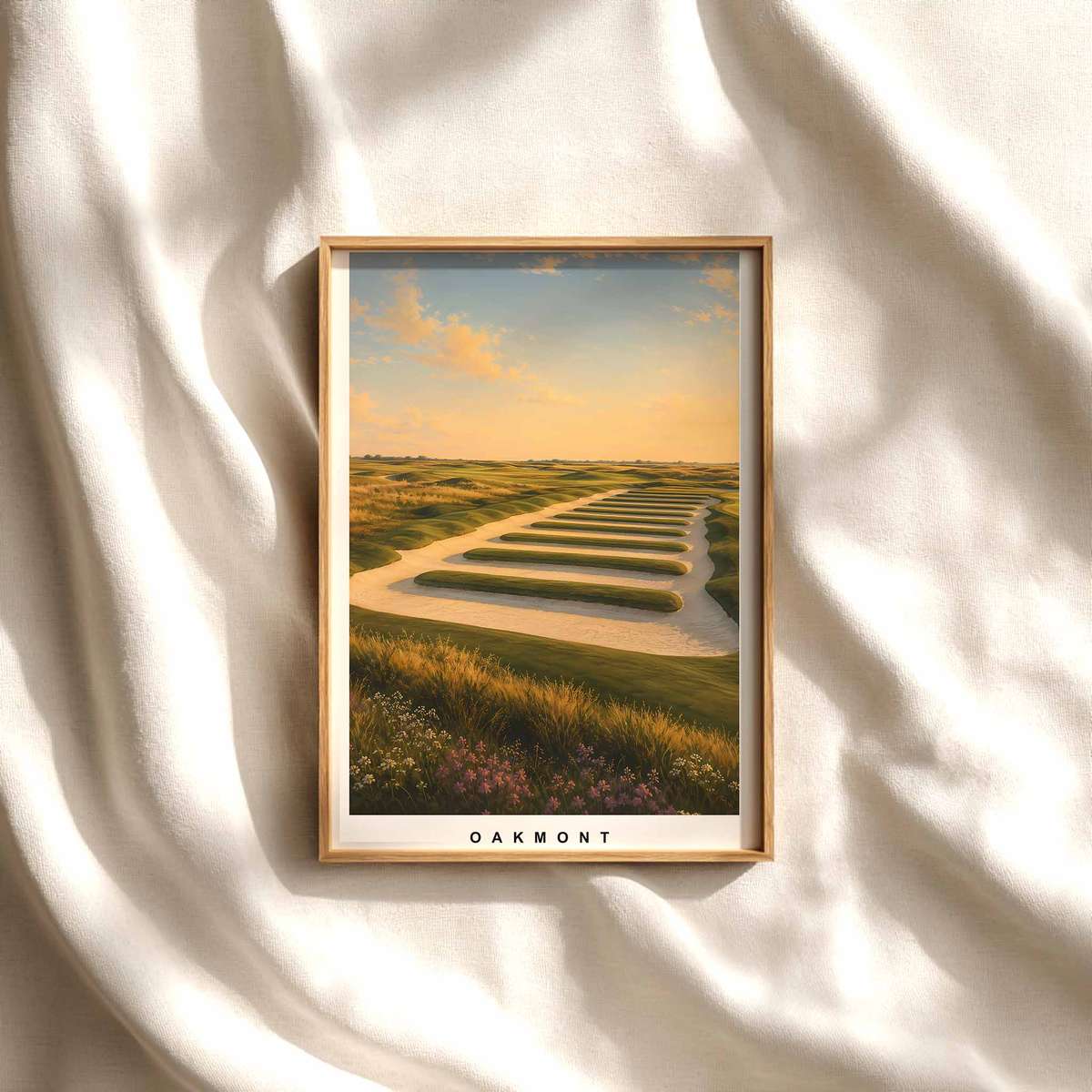
Oakmont Country Club poster: Golf Prints That Bring Study and...
Digital download
↧ Digital download
Oakmont Country Club poster: Golf Prints That Bring Study and...
Digital download
 ↧ Digital download
Carnoustie: Rugged Elegance — Golfer Poster for Strong Wall Presence
Digital download
↧ Digital download
Carnoustie: Rugged Elegance — Golfer Poster for Strong Wall Presence
Digital download