St George’s Hill is not merely a golf place; it is a carefully planned, private residential estate whose character translates beautifully into interior art. Developed from land purchased in 1911 by Walter George Tarrant and routed by the architect Harry Colt through mature Scots pine and undulating heathland, the estate’s visual vocabulary—stately pines, sandy heaths and soft, rolling lines—reads as restraint rather than spectacle. A poster that distils these elements becomes an invitation to atmosphere: quiet, considered and unmistakably refined.
In a study or home office the poster works like a compositional pause. The tall, vertical presence of Scots pine echoes bookcases and wainscot panelling, while the Colt routing’s elegant curves mirror the measured arc of shelves and leather-bound spines. Rather than shouting with colour or motion, the imagery borrows the estate’s hushed, secluded tone; it complements dark woods, saddle leather chairs and warm task lighting to create a room that feels lived-in and purposeful.
Placed in a library the poster acts as a spatial storyteller. The estate’s design—heather, undulating fairways and a sense of planned domesticity spread over roughly 900–964 acres—carries associations of private tradition and cultivated leisure. Those associations translate into a mood: heritage without ostentation. Against a backdrop of muted walls and layered textiles, the print reads as collected taste rather than decorative flourish, a piece that understands the slow rhythms of reading and conversation.
In clubhouse-inspired interiors the value is similar but slightly different in emphasis. Here the poster reconnects the room to place: the evident routing through pine woodland and heathland gives a sense of landscape ordered by design, a subtle reminder of the estate’s golfing and residential origins. That quiet prestige suits members’ rooms where understatement is the point—an emblem of exclusivity framed as atmosphere instead of display.
[IMAGE_INSERT_ARTICLE_01]
Material choices around the artwork matter. Framing in matte wood or a soft, antiqued finish reinforces the estate’s residential quality; a linen mount or muted float gives the print room to breathe. Nearby materials—books with patina, a leather club chair, a wooden desk—create a restrained palette that lets the poster’s pines and curves define the mood rather than dominate it. The result is an interior that feels curated, where the golf image becomes part of a broader domestic story.
Who does this speak to? To those who prefer the language of place to loud branding: readers, executives, club members and anyone who values calm, private refinement. The St George’s Hill poster is not a statement about sport for sport’s sake but a visual cue about how to live with heritage—an artwork that supports a room’s identity, deepens its layers and rewards quiet attention.
When choosing wall art for a study, office, library or clubhouse-inspired room, consider how a St George’s Hill image translates estate qualities into interior feeling. With its Scots pine silhouettes, gentle routing and heathland mood, the poster becomes less an object of display and more a generator of atmosphere—subtle prestige that sits comfortably among wood, leather and books.






 ↧ Digital download
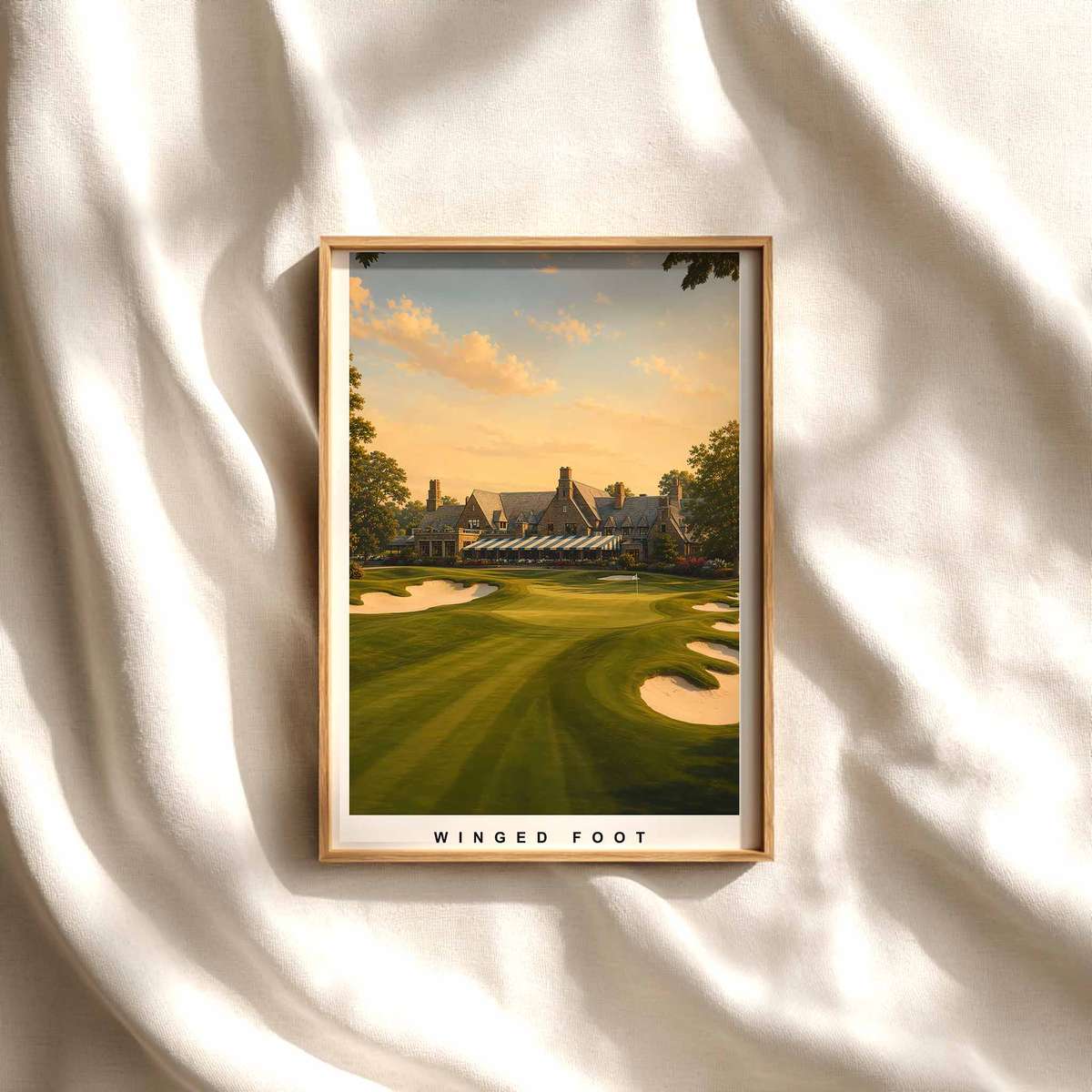
Winged Foot West: Visual Gravity in Golfer-Led Wall Art
Digital download
↧ Digital download
Winged Foot West: Visual Gravity in Golfer-Led Wall Art
Digital download
 ↧ Digital download
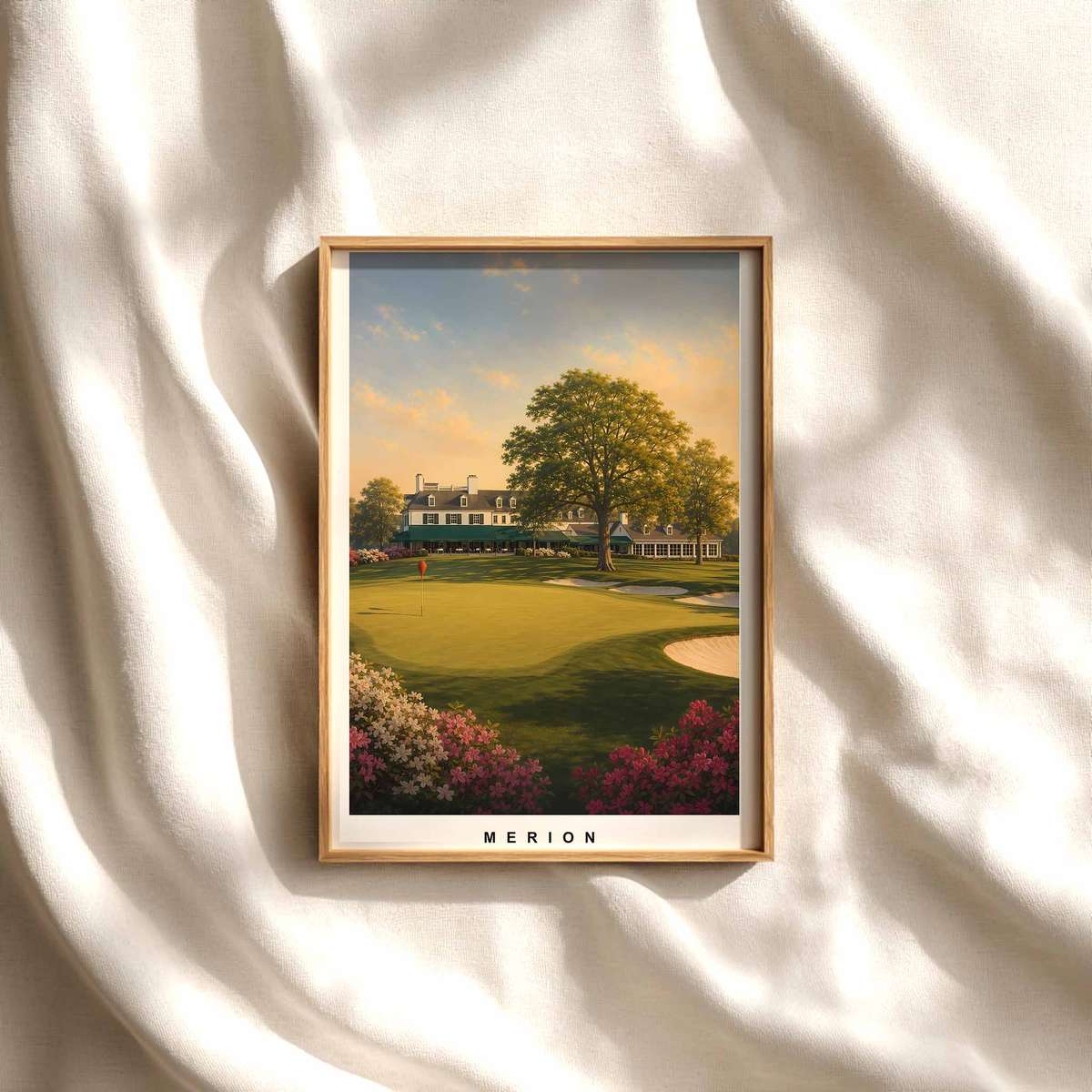
Merion East: Quiet Golf Art for the Study, Clubhouse and Gentleman's...
Digital download
↧ Digital download
Merion East: Quiet Golf Art for the Study, Clubhouse and Gentleman's...
Digital download
 ↧ Digital download
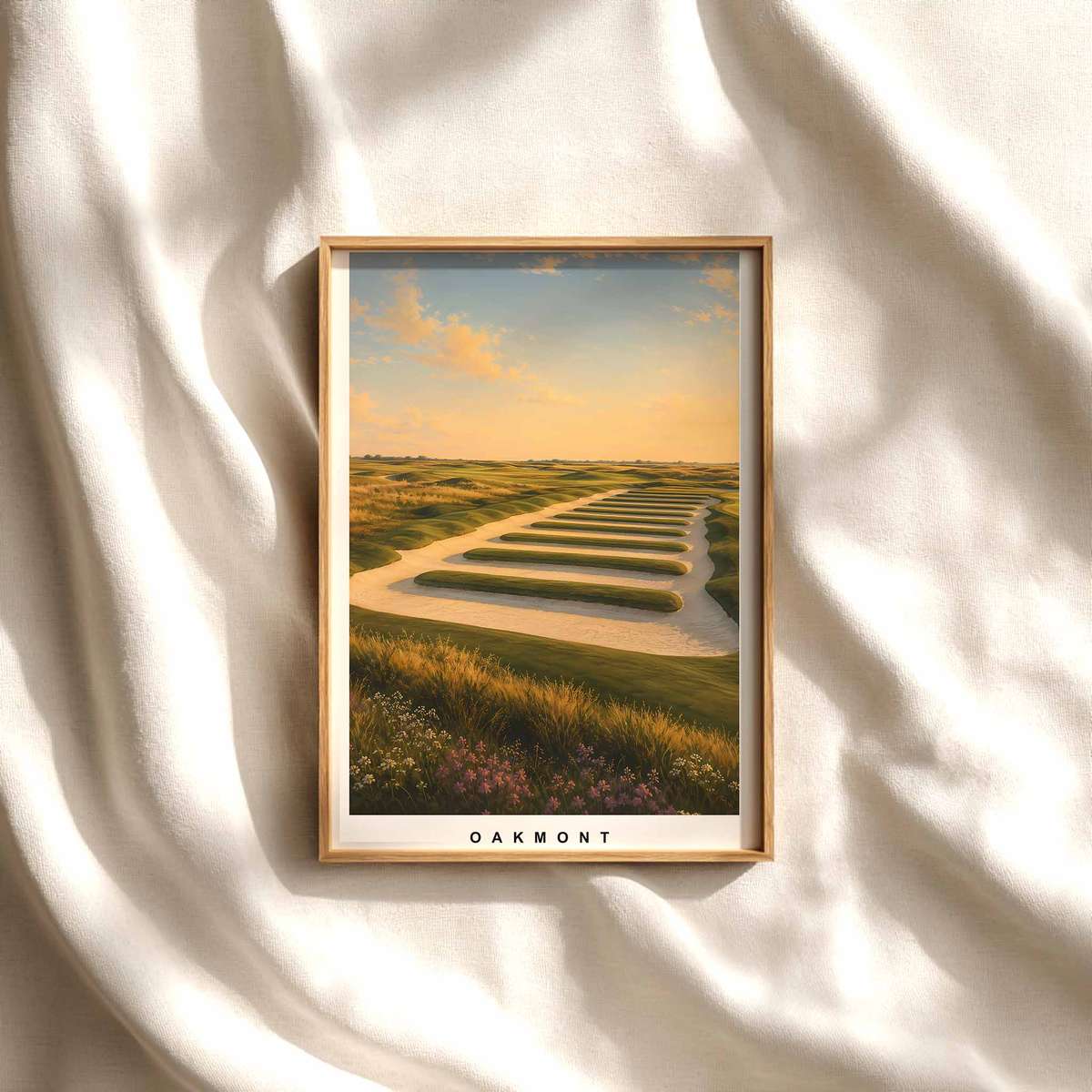
Oakmont Country Club poster: Golf Prints That Bring Study and...
Digital download
↧ Digital download
Oakmont Country Club poster: Golf Prints That Bring Study and...
Digital download
 ↧ Digital download
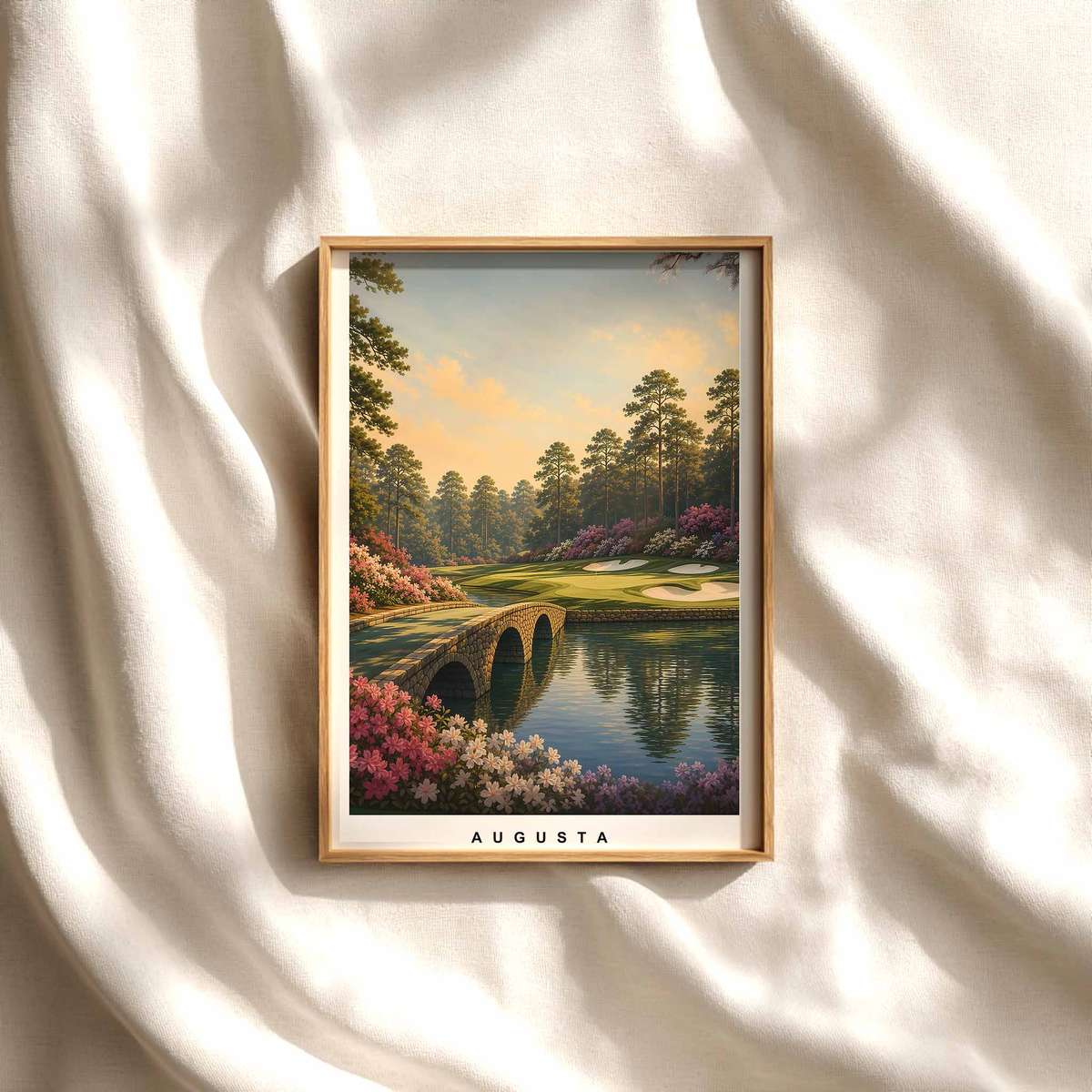
Golf Gift for Men: Augusta National–Style Player Poster as Elegant...
Digital download
↧ Digital download
Golf Gift for Men: Augusta National–Style Player Poster as Elegant...
Digital download