There is a special kind of restraint in choosing wall art that whispers rather than shouts. A Sunningdale Old golf-flag poster, rendered with attention to heather, pines and soft light, performs this exact trick: it translates the course’s character into a calm, cultivated interior presence. In a study, office or clubhouse room the image reads less as a sporting statement and more as an invitation to atmosphere — a quiet framing of taste, memory and subtle identity.
The poster’s palette matters. Muted greens, warm ochres and the greys of overcast English skies allow the print to sit comfortably against book-lined walls, walnut panelling or a leather-upholstered armchair. Rather than dominate a room the composition complements tactile materials: the brittle grain of an old desk, the smooth seam of a club-backed chair, the stacked spines of classic volumes. Heather and pine become compositional devices that echo the room’s textures, making the artwork feel like a deliberate part of the interior rather than an applied label.
Placement in a study or office changes how the print is read. Positioned above a writing table, the flag becomes a focal point that suggests pause — a moment to look up, breathe, and recalibrate. Hung in a library alcove or corridor of a clubhouse, it acts as a quietly authoritative reference to place and tradition without lapsing into nostalgia. The poster’s restraint lets it operate across registers: it is both decorative and identity-building, a thoughtful accent that signals an interest in golf as cultural heritage rather than mere hobbyism.
[IMAGE_INSERT_ARTICLE_01]
Material pairing is simple but purposeful. A narrow frame in aged brass or dark-stained wood gives weight without competing for attention; a soft matte finish keeps glare low and protects the image’s subtle tonalities. Nearby objects should echo this restraint — a brass lamp with a soft shade, a small cluster of leather-bound books, an old scorecard tucked into a frame or tray. These touches root the poster in lived-in authenticity and suggest a personal connection to place, rather than a staged set of motifs.
Why it works in clubhouse-inspired interiors
Clubhouses and private studies share an appetite for layered, non-verbal storytelling. A golf-flag poster from Sunningdale Old contributes to that narrative by offering a sense of continuity: links to the landscape, to ritual, to a restrained visual language of clubs, cups and turf. It answers a room’s demand for objects that feel curated — not flashy, but exacting in their restraint. For collectors, club members or anyone aiming for a refined home office, the print provides a wearable piece of interior vocabulary: it can reference a round played, an admired course, or simply an affinity for places shaped by tradition and careful stewardship.
Finally, the poster’s role is emotional as much as decorative. It softens the room’s functional edges and encourages a slower tempo. In a busy office it offers a moment of calm; in a library it becomes part of the quiet ritual of study; in a clubhouse it reinforces a communal taste that values understatement over spectacle. That is the core appeal of golf wall art done with restraint — it transforms prestige into atmosphere, and atmosphere into a lived, daily pleasure.






 ↧ Digital download
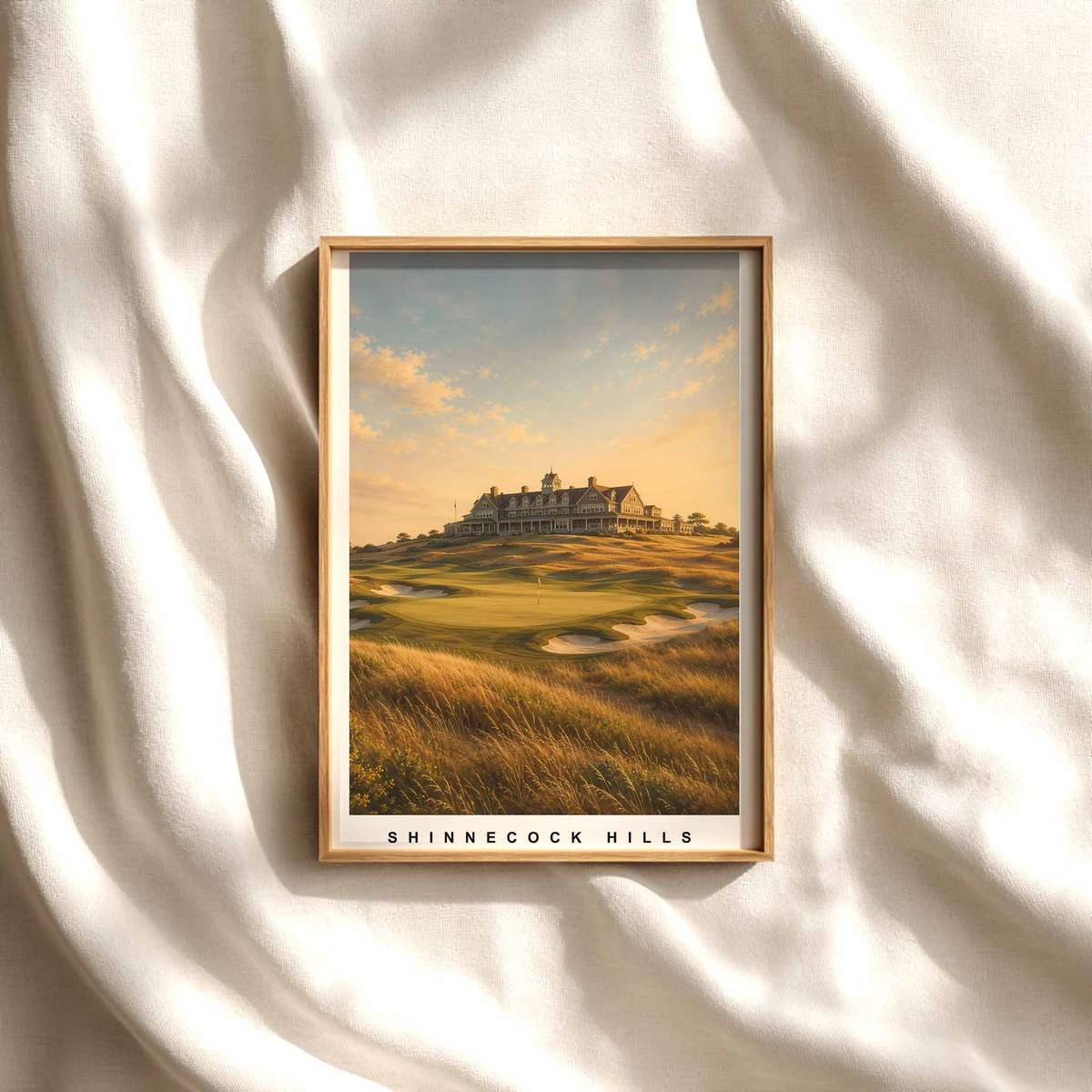
Shinnecock Hills as Wall Art: Horizon, Dune Grasses and Seaside Light
Digital download
↧ Digital download
Shinnecock Hills as Wall Art: Horizon, Dune Grasses and Seaside Light
Digital download
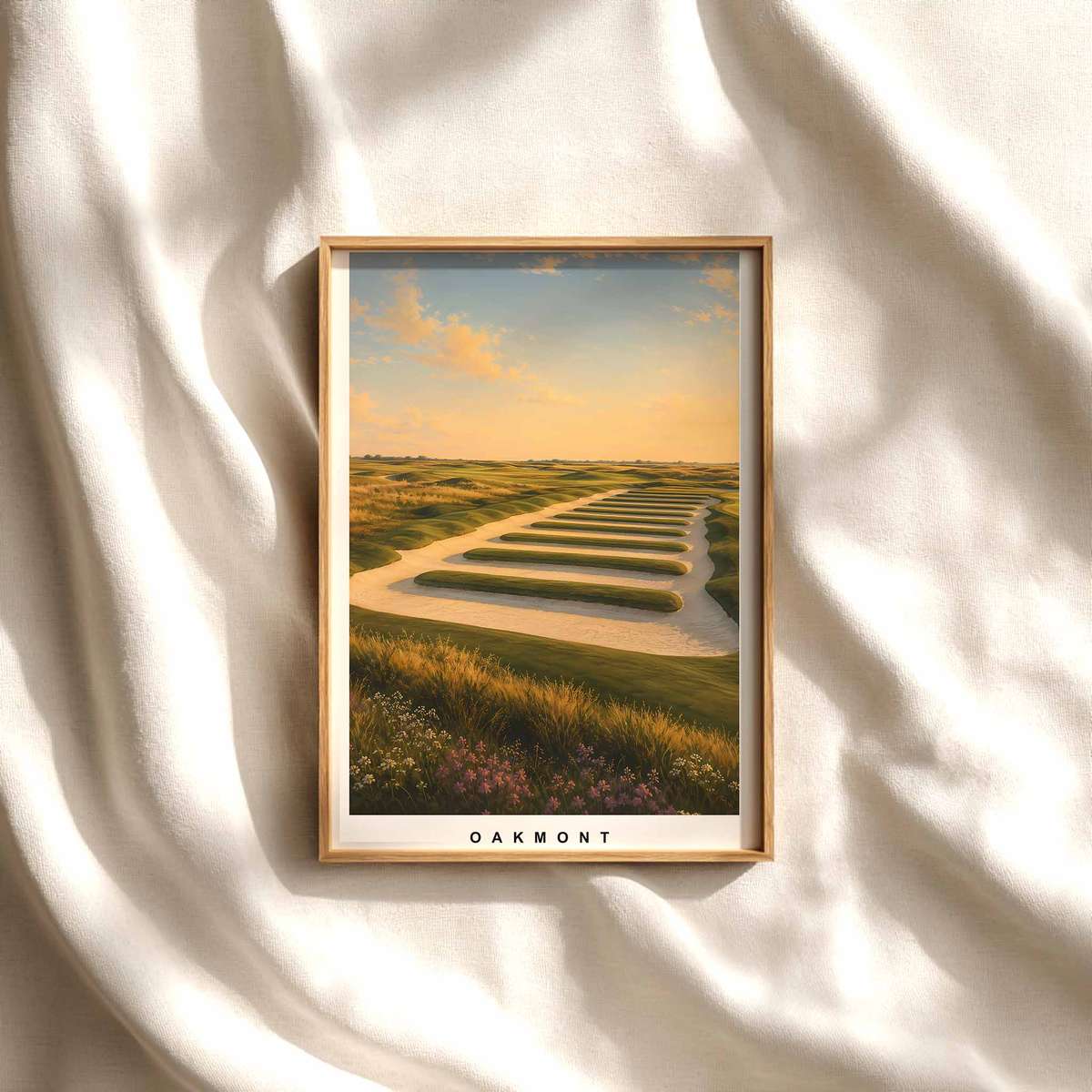 ↧ Digital download
Oakmont Country Club poster: Golf Prints That Bring Study and...
Digital download
↧ Digital download
Oakmont Country Club poster: Golf Prints That Bring Study and...
Digital download
 ↧ Digital download
Pinehurst No. 2: The Elegant Austerity of a Golf Course Print
Digital download
↧ Digital download
Pinehurst No. 2: The Elegant Austerity of a Golf Course Print
Digital download
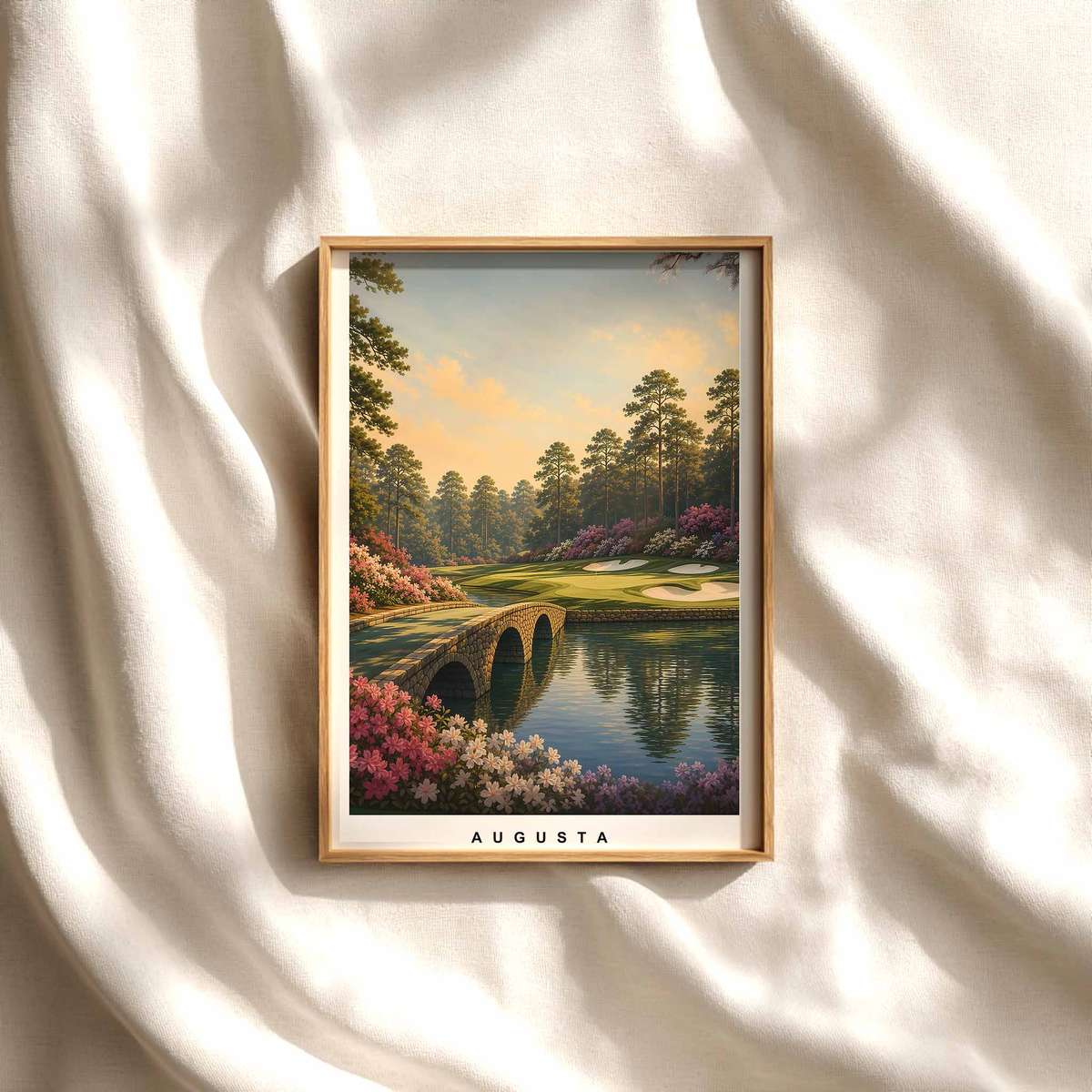 ↧ Digital download
Golf Gift for Men: Augusta National–Style Player Poster as Elegant...
Digital download
↧ Digital download
Golf Gift for Men: Augusta National–Style Player Poster as Elegant...
Digital download