
Jason Day, professional golfer: Power, vulnerability and the visible demands…
Jason Day, professional golfer, occupies a distinctive place in modern golf because his career stitches together two contrasting truths: a genuine, measurable power game and a public trajectory marked by recurring physical vulnerability and candid human moments. That combination—length and dominance on the course, alongside injuries and openness about their toll—helps make Day not only a championship-level player but also a figure who visualises for fans the physical and mental rigours behind elite performance.
Quick summary: This piece examines why Jason Day’s profile—his power off the tee, major success, public struggles with injuries and the way those elements are visible to audiences—matters for understanding elite golf today.
What makes Jason Day immediately recognizable
At a glance, Day’s identity in the game is easy to describe without resorting to hyperbole: he has been one of the longer hitters during his peak seasons, a quality documented repeatedly in PGA Tour statistics and event notes. That length translated into tournament success and shaped how opponents, broadcasters and fans read his rounds. Equally, Day’s career includes unmistakable public markers—high-profile victories and well-covered stretches of physical difficulty—that make his arc easy to follow and discuss.
Swing, rhythm and playing identity
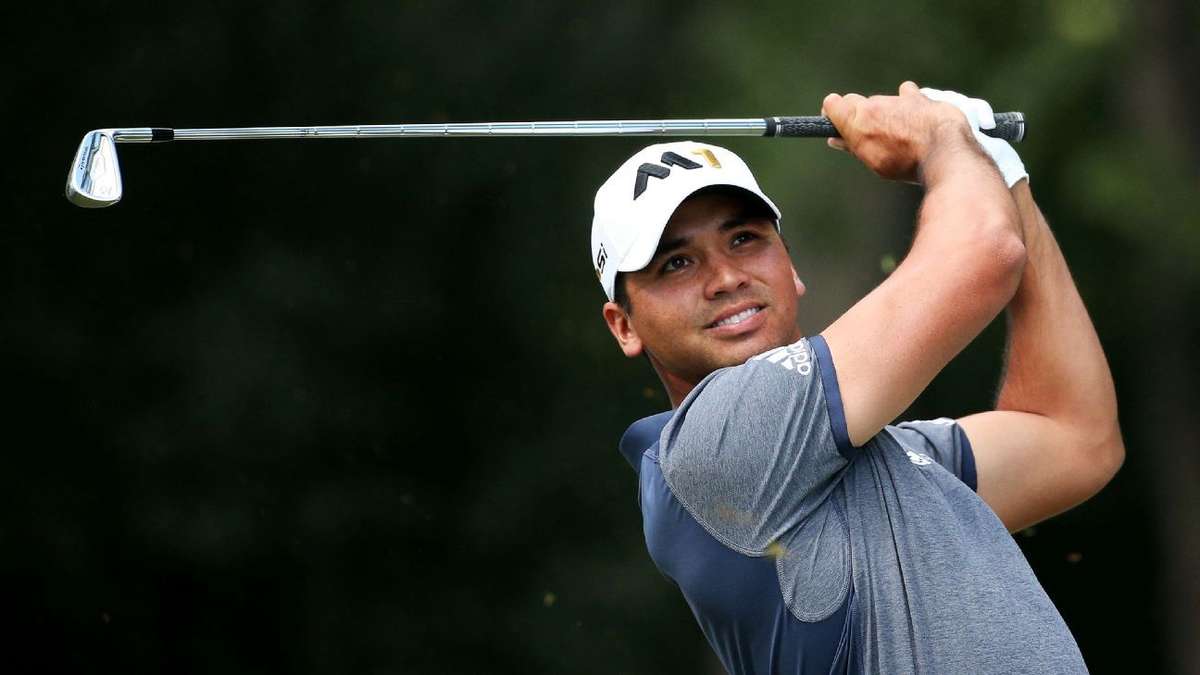
Day’s playing identity is anchored by power. PGA Tour records and event analyses note his driving distances frequently measuring above 300 yards during competitive stretches. That capacity to reach longer parts of the course changes his shot values: par-5s become more reachable, risk-reward calculations shift on long par-4s, and his short-iron approach opportunities increase. In practical terms, his length reset strategic lines for himself and forced competitors to account for a different pace of play in groups he led.
Composure, pressure and competitive mind
Day’s competitive record includes the kind of peaks that require sustained mental strength. Winning the PGA Championship in 2015 at Whistling Straits—finishing 20-under-par for the tournament—was a signature peak that preceded his first ascent to world No. 1 later that year. Those achievements indicate an ability to deliver under major-event pressure. At the same time, the public record of recurring physical problems—such as back injuries reported and treated in later years—creates a counterpoint to that composure: the athlete who must manage both scorecard demands and physical recovery while competing at the highest level.
Defining wins and era-shaping moments
Two tournament facts anchor Day’s claim on the contemporary game. First, his victory in the 2015 PGA Championship at Whistling Straits, a major where he finished 20-under-par, stands as the clearest milestone of peak achievement. Second, his win at the Players Championship in 2016 is regularly cited among his most important non-major victories. Together these results helped power his rise to world No. 1 on 20 September 2015 and framed a period in which Day was a defining presence in leaderboards and season narratives.
Public image, style and visible vulnerability
What distinguishes Day beyond raw results is how his documented physical issues and their coverage made the sport’s demands visible. Reputable outlets have reported on recurring back problems and other injury episodes, and PGA Tour materials document his career trajectory including those interruptions. The mix of high-level success and widely covered physical setbacks offers spectators a narrative that is both aspirational and human: the player who can reach elite heights but must also navigate fragility.
Why Jason Day still matters in golf’s imagination
Day’s importance to golf culture rests on two overlapping signals. One is demonstrable: major victory, a Players Championship, consistent presence near the top of ranking lists and statistics that attest to his length. The other is narrative: his career makes concrete the idea that elite golf is not just about swing mechanics or tournament strategy but about sustained physical maintenance, recovery and management. For fans and fellow players alike, Day’s arc reminds us that peak performance arrives alongside periods of physical management—an unvarnished part of the modern game.
What this figure reveals about golf culture
Viewed broadly, Day’s career highlights how professional golf has evolved into a sport where athleticism and endurance are as visible as shotmaking skill. Media coverage of injuries, and the way those stories intersect with achievements, reflects a cultural shift: audiences now expect to see the human cost behind great scores. Day’s public record of both power and vulnerability positions him as an instructive example of that reality, showing how success and struggle coexist in contemporary elite golf.
Closing interpretation on lasting appeal
Jason Day remains compelling because his career is legible on two levels. On one level are the measurable victories and the hard numbers—driving distance, tournament titles, a major championship and a period at world No. 1—that justify his status in the game. On another level is the way those achievements sit alongside documented physical setbacks and public treatment narratives, which make the demands of elite golf visible to viewers. Together, they create a portrait of a modern champion whose appeal is as much about performance as it is about the human story of maintaining that performance under strain.
Editorial note: This article uses PGA Tour records and established golf-media reporting to anchor its interpretation.
Author: {Cynthia D.}