Top 10 Greatest Golfers of All Time
This ranking names the top 10 greatest golfers of all time as commonly cited by golf historians and major publications. Lists like this are inherently subjective, so the order below balances measurable anchors—most notably Jack Nicklaus's record 18 majors and Tiger Woods's 15 majors—against peak dominance, longevity, influence on the sport, and historical significance.
How this ranking was built
This editorial order weighs majors and confirmed career milestones from the verified research block, plus peak dominance, longevity, influence on the game, and frequent inclusion in reputable all-time lists. Where precise totals beyond the verified facts are absent or disputed, emphasis is on widely accepted historical impact rather than speculative statistics.
What this ranking highlights
- Major championship standing and historical anchors
- Peak dominance vs. career longevity
- Influence on equipment, culture, and global golf growth
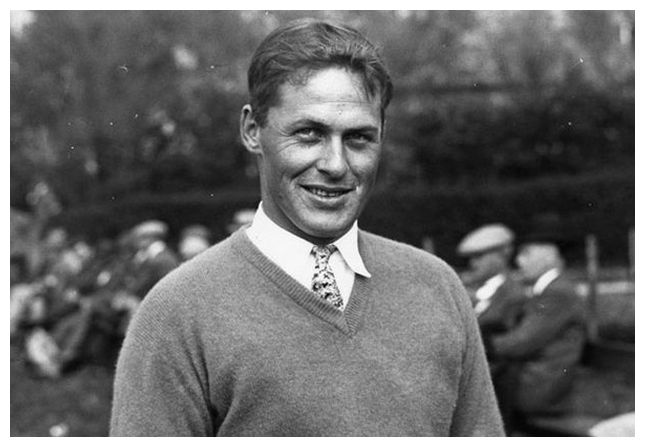
10. Bobby Jones
⛳ Era: Amateur era · 🏆 Key stat: Legendary Grand Slam pursuit · ⭐ Why it matters: Amateur dominance and cultural impact
Bobby Jones belongs on every classical greatest list because his dominance in the amateur and early championship era reshaped how golf was followed and celebrated. His influence extends beyond wins to the founding of a major championship venue and a cultural legacy that predates the modern professional era.
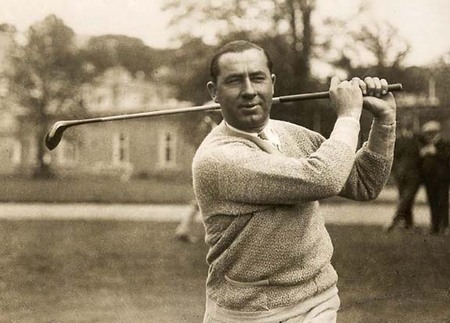
9. Walter Hagen
📅 Era: Early professional era · 🏆 Key stat: Pioneering pro success · ⭐ Why it matters: Helped legitimize professional golf
Walter Hagen's role in elevating the professional game earns him a spot on this list. As a figure who bridged the amateur and professional divide, his competitive record and personality helped modernize tournament golf and inspired future generations of pros.
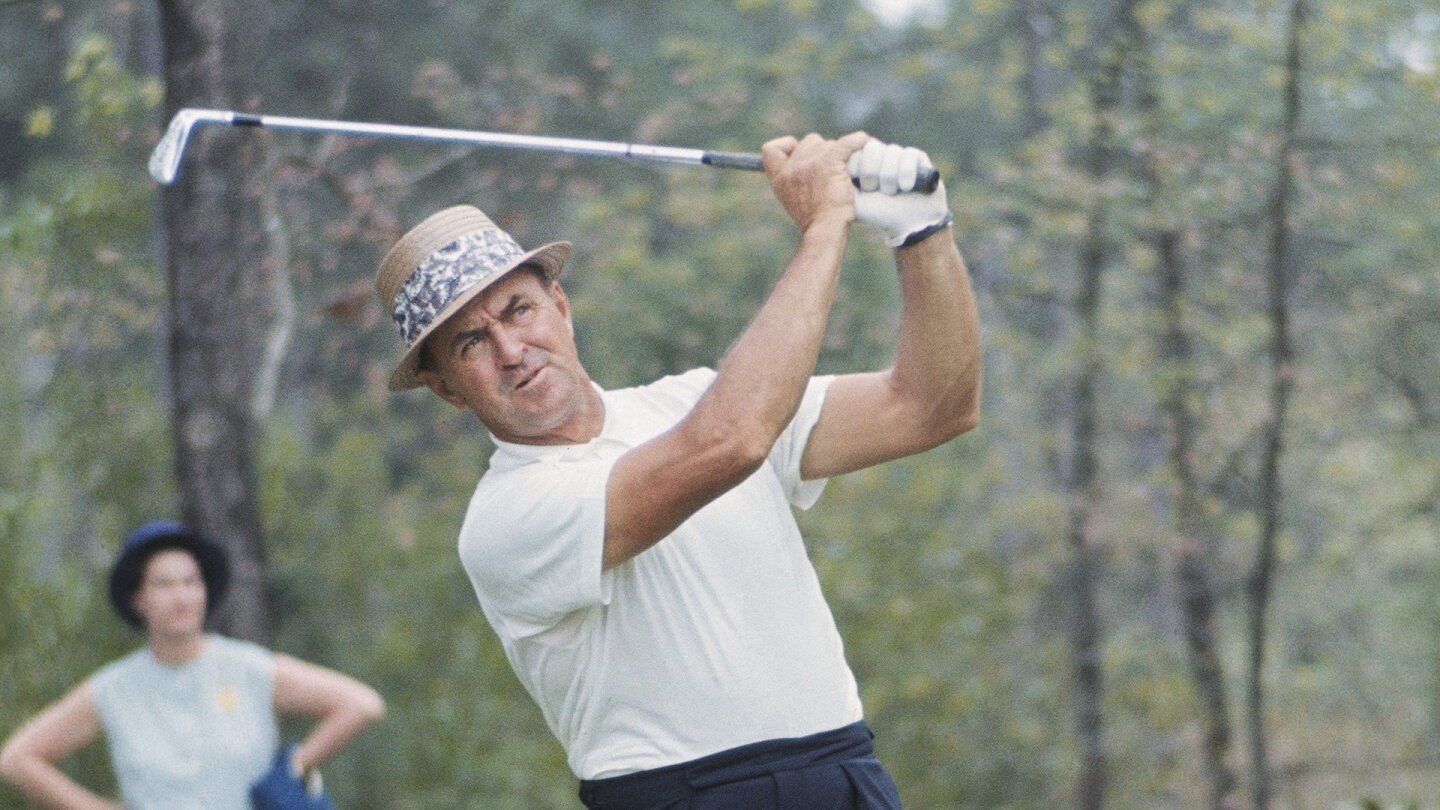
8. Sam Snead
📅 Era: Mid-20th century · 🏆 Key stat: Historically cited with 82 PGA Tour victories · ⭐ Why it matters: Longevity and prolific winning
Sam Snead is commonly listed among the all-time greats thanks to his extraordinary winning record and timeless swing. His longevity and consistency on tour make him a benchmark for assessing career success across eras.
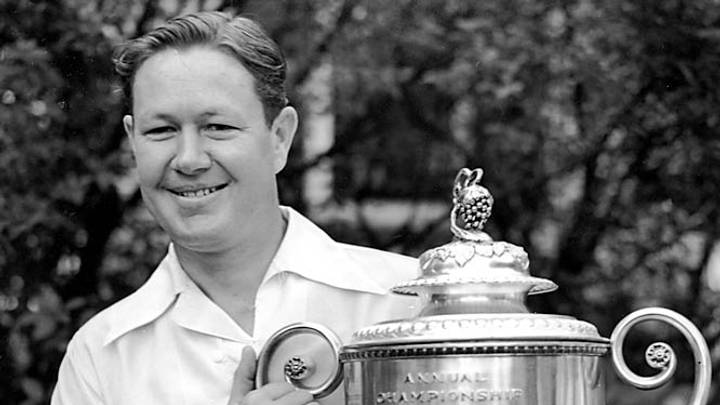
7. Byron Nelson
📅 Era: 1940s · 🏆 Key stat: Noted for an extraordinary run of wins in a single season · ⭐ Why it matters: Peak dominance that still defines greatness
Byron Nelson's sustained run of victories in one memorable season remains one of golf's great displays of peak dominance. That stretch reshaped expectations about what a single top player could achieve in a professional season.
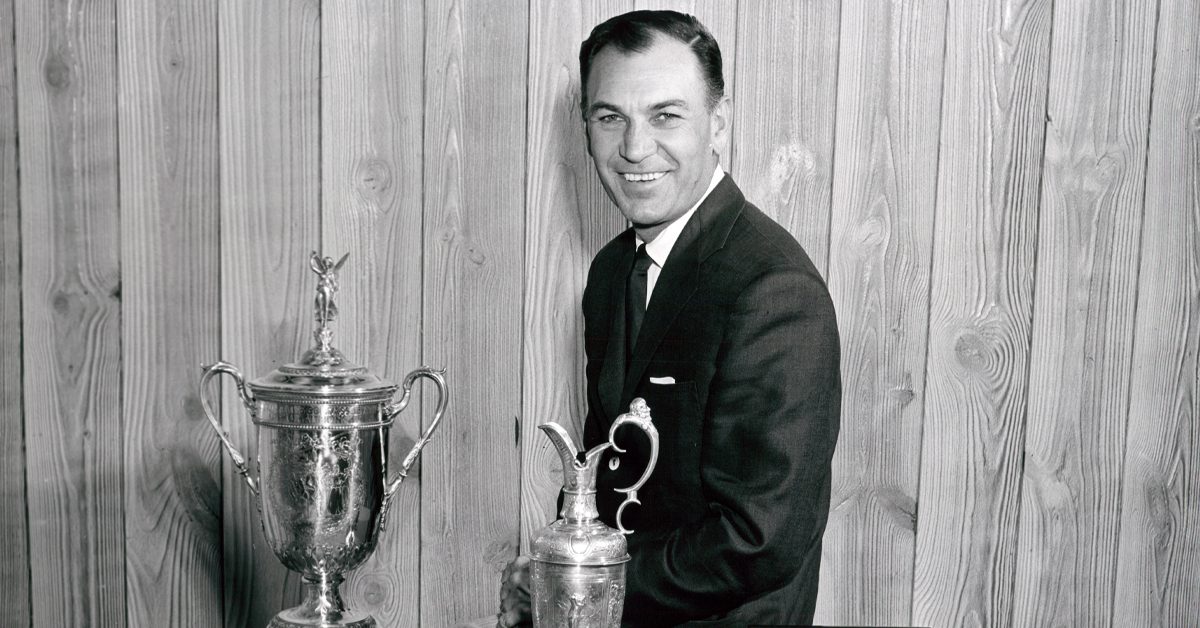
6. Ben Hogan
📅 Era: Mid-century · 🏆 Key stat: Renowned ball-striking mastery · ⭐ Why it matters: Technical influence on the modern swing
Ben Hogan is often credited with transforming golf's technical side. His precision ball-striking and focus on fundamentals influenced teaching and player development for generations, making him a natural inclusion among the greatest golfers ever.
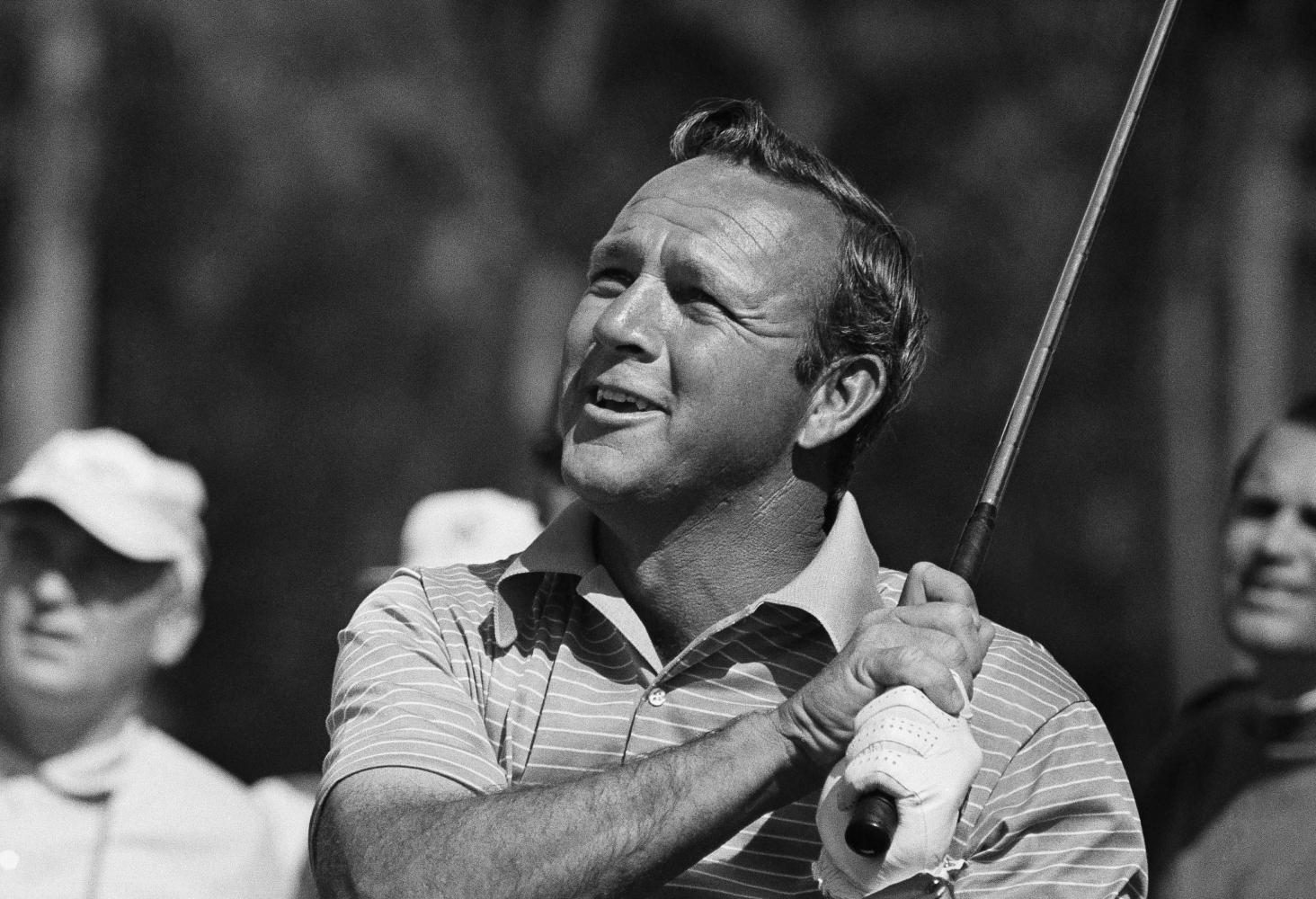
5. Arnold Palmer
📅 Era: 1950s–1960s · 🏆 Key stat: Core figure in mid-century rankings · ⭐ Why it matters: Cultural impact and popularizing golf
Arnold Palmer's place among the top 10 comes as much from his cultural and commercial impact as from his competitive record. He brought golf to mass audiences and helped create the modern fan base that supports the game's global growth.

4. Gary Player
📍 Global: International pioneer · 🏆 Key stat: Regularly cited among canonical greats · ⭐ Why it matters: Global impact and longevity
Gary Player's international success and longevity make him a defining figure in golf's global expansion. He is a staple of greatest-golfer lists because his career demonstrated consistent excellence across continents and major stages.
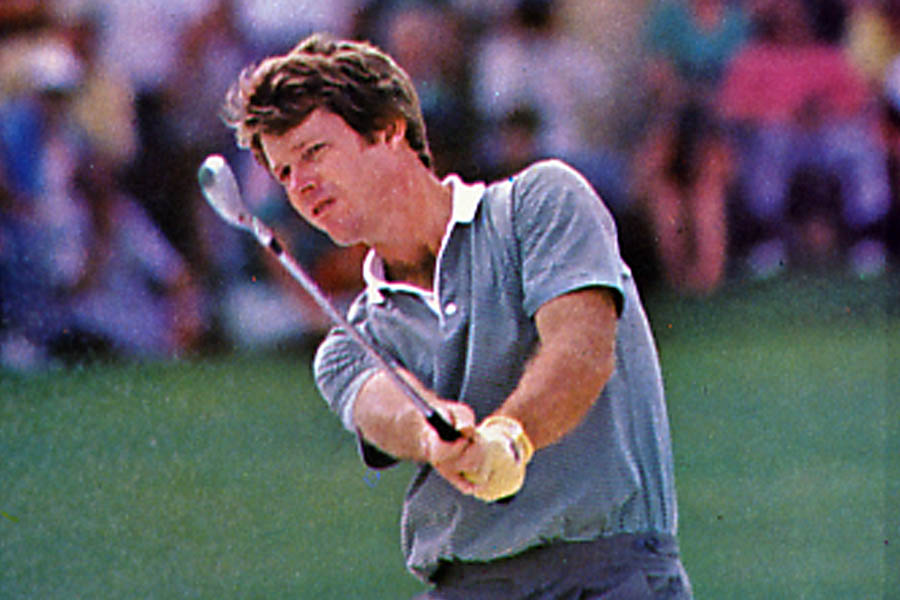
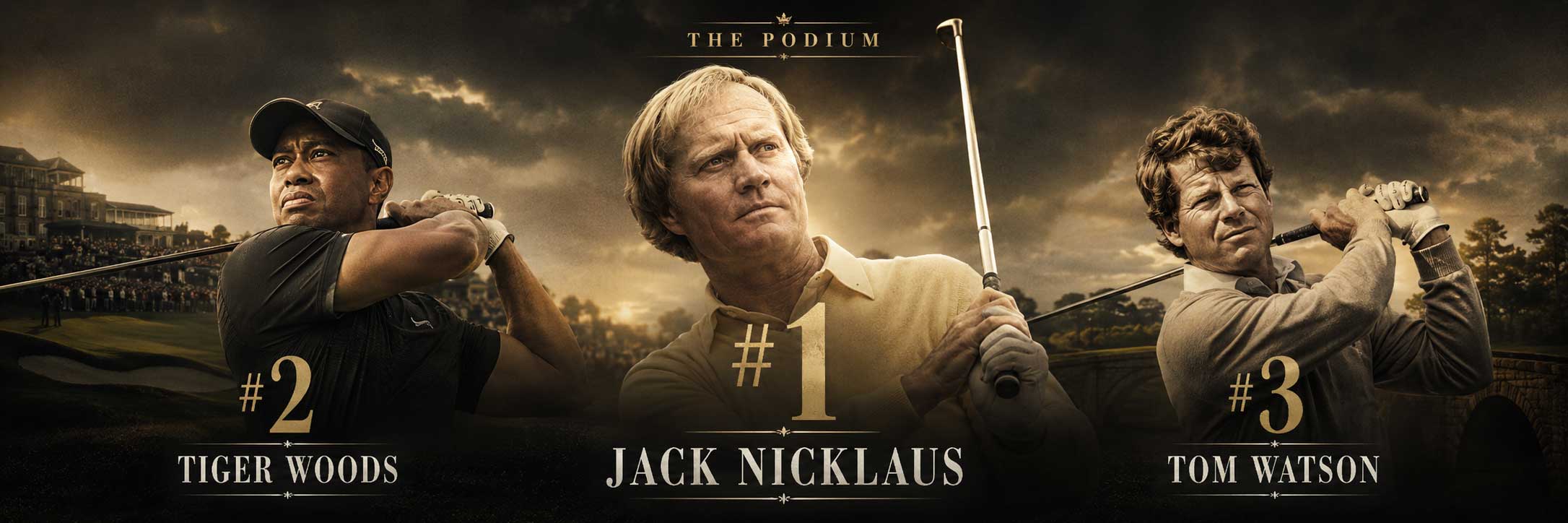
3. Tom Watson
📅 Era: 1970s–1980s · 🏆 Key stat: Often listed among the top tier of modern champions · ⭐ Why it matters: Masters of links and major-stage rivalries
Tom Watson is placed on the podium for his era-defining performances and his consistent presence at the top of major leaderboards. His game exemplified the strategic intelligence and shot-making that win championships in varied conditions.
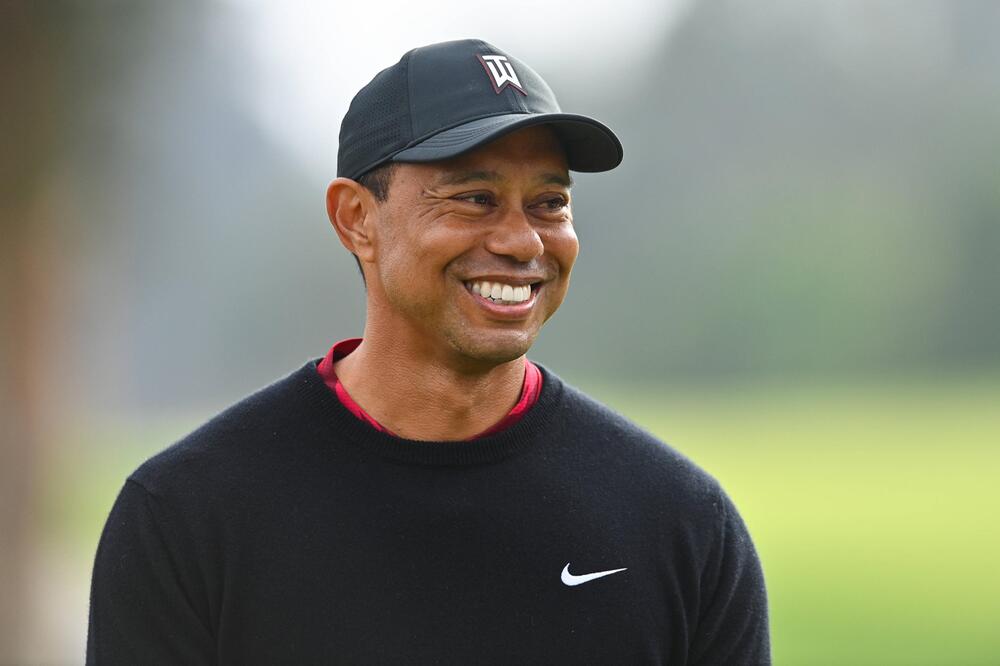
2. Tiger Woods
📅 Era: Modern era · 🏆 Key stat: 15 professional major championships · ⭐ Why it matters: Peak dominance and transformation of modern golf
Tiger Woods is widely accepted as one of the two principal candidates for the greatest-ever label. With 15 professional majors confirmed in the verified research, his peak dominance, cultural visibility, and effect on competition depth and prize purses shifted professional golf into a new era.
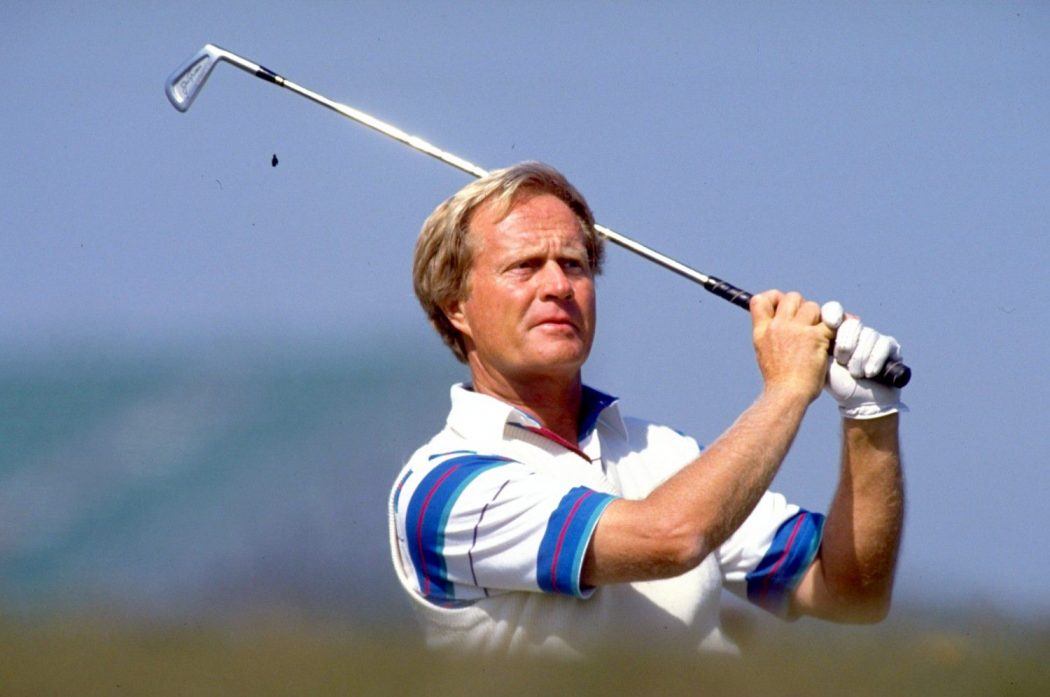
1. Jack Nicklaus
📅 Era: 1960s–1970s and beyond · 🏆 Key stat: 18 professional major championships · ⭐ Why it matters: Definitive major record and enduring standard
Jack Nicklaus sits at the top of this editorial ranking because of the verified fact that he has won 18 professional major championships—the most in men's professional golf—which acts as a durable factual anchor. That unmatched major record, combined with sustained competitiveness over decades and an enduring influence on course design and championship standards, makes his case compelling as the single most defensible #1 across varied criteria.
What this golf ranking tells us
Greatness in golf resists a single metric. This list uses Jack Nicklaus's verified 18 majors and Tiger Woods's verified 15 majors as firm anchors, then balances those facts against peak dominance, longevity, technical influence, and cultural impact. Different readers will reorder players depending on which of those elements they prize most—and that very debate is part of why lists like this matter.