A Walkthrough of Bethpage Black: How Length, Demanding Drives and Fatigue…
Bethpage Black is one of America’s most talked-about public championship courses. Located in Bethpage State Park on Long Island and opened in 1936 from a design by A.W. Tillinghast, the Black Course is owned and operated by New York State Parks and widely praised—and feared—for its uncompromising challenge. For players learning course strategy, walking a round at Bethpage Black is a clear lesson in how raw length, demanding tee shots and a long walk force decisions that change from hole to hole as fatigue sets in.
Quick summary: The Black plays like a sequence of tests: long tee shots that must find narrow corridors, contoured approaches guarded by deep bunkers, and a finishing stretch that often reveals who managed energy and choices best. Course rating and slope make its difficulty clear; the walk compounds tactical consequences.
First visual reading of the course
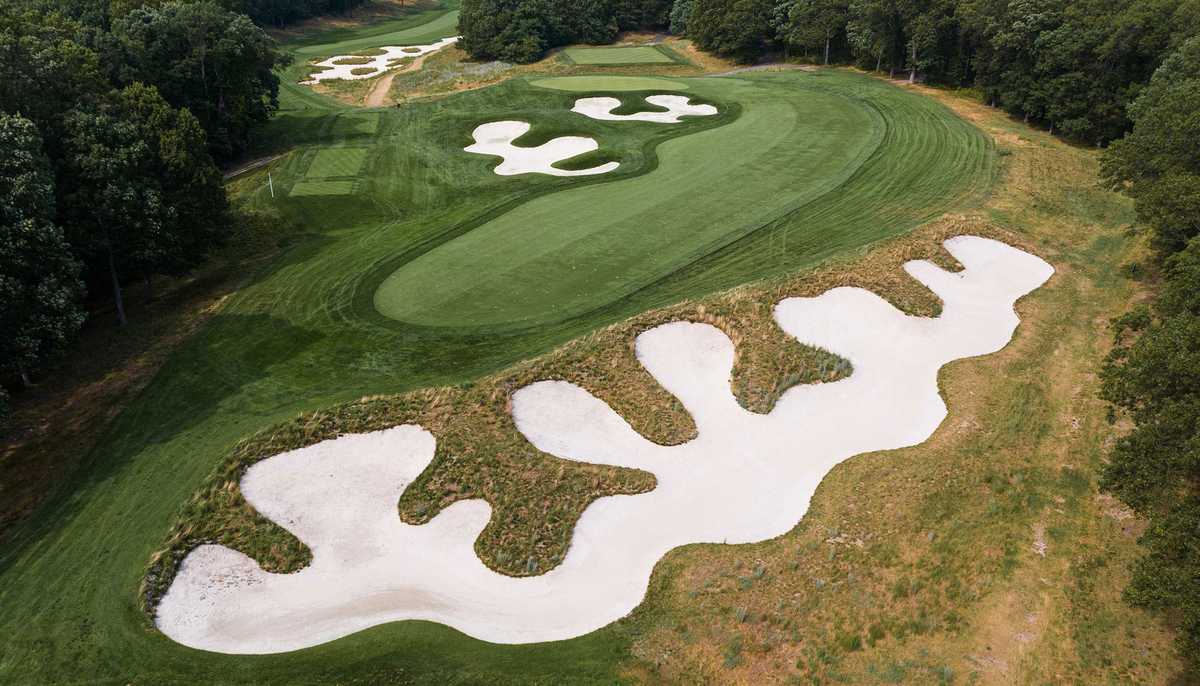
From the first glance Bethpage Black is unmistakable: a public layout shaped for championship defense. The profile you see—long fairways, firm turf, deep bunkers and bold green contours—signals a course that prioritises strategic placement over simple aggression. Unlike parkland courses that hide their teeth, Black announces its difficulty: it is long, exposed in parts, and layered with hazards that punish sloppy lines.
Layout, routing and strategic personality
Designed by A.W. Tillinghast and routed through Bethpage State Park, the Black plays as a true championship test rather than a casual stroll. Modern championship yardages push it into the low-to-mid 7,000s from the back tees, and its course rating and steep slope confirm its severity. Routing emphasises length and repetition of demands—after several holes that force precise drives, the course returns you to similar challenges, so mistakes compound. For a beginner learning to read courses, Bethpage teaches an important lesson: managing energy and choosing safe lines early pays dividends late.
Greens, bunkers, hazards and decision-making
Bethpage Black’s greens are strongly contoured and commonly ringed by deep, penal bunkers and slopes that make approach strategy central. Many par-3s and long par-4s are guarded so that the correct target is not always the pin but a safer area of the green or a specific side of the putting surface. The consequence: players must decide when to attack a pin and when to accept a longer putt or a recovery shot. For beginners, the takeaway is practical—positioning off the tee to allow the simplest approach is often a smarter scoring plan than trying to reach every green in regulation from an aggressive line.
What the landscape asks from the player
The physical setting and routing ask golfers for more than one excellent swing. Public commentary and course data underline that Bethpage is longer than a typical round and that walking it feels longer still. That growing fatigue interacts with the course’s strategic demands: a drive that required concentration on hole four becomes harder to repeat by hole fourteen. The course therefore tests concentration, stamina and course management as much as technical skill.
Signature holes, views and memorable sightlines
Several holes stand out in coverage and player discussion. Long, uphill par-4s with large bunker complexes, and par-3s defended by penal bunkering and water, create memorable sequences that underline the course’s character. The finishing stretch is repeatedly cited for its ability to punish poor drives and poor decisions—these closing holes are where the round’s mental and physical toll often reveals itself. Those sightlines—deep bunkers framing fairways and dramatic approaches into contoured greens—remain iconic because they make the strategic choices visually obvious and consequential.

Tournament identity and competitive pressure
Bethpage Black has earned a reputation as a championship venue because its routing and set-up can be dialled to test the best players. Its high course rating and maximum slope values reflect that it is prepared to defend par effectively. In tournament setups the course is played from long championship tees, and commentators frequently point to those setups to explain why conservative decision-making and flawless execution are rewarded. For beginners studying the game, watching how professionals manage Black under tournament conditions highlights the value of strategy over pure power.
Heritage, prestige and why the course became iconic
Bethpage Black’s story is one of public access meeting championship calibre. As a state-run course designed by a noted architect, it demonstrates how a public layout can hold the same strategic pedigree as elite private venues. Its combination of Tillinghast design principles, public ownership and the regular presence in major event conversations gives it cultural weight: it is both a place to be earned by ordinary golfers and a benchmark for course difficulty.
Closing interpretation: why a round here teaches lasting lessons
Walking Bethpage Black from the first tee to the last hole is an instructive progression. Early holes ask for precise drives and measured approaches; the mid-round repetition of those demands compounds their importance; and the closing holes expose the cost of poor energy management and decision-making. For players learning how to approach golf courses for beginners, Black is an emblematic teacher: it clarifies how length, demanding tee shots and fatigue change strategy across 18 holes. The course rewards thoughtful lines, conservative choices when appropriate, and an understanding that managing yourself is as important as managing the golf ball.
Author: Eric M.