Hard Labor Creek Golf: Reading a Wind‑Exposed Links Identity
Hard Labor Creek Golf invites a focused reading: how coastal exposure, firm surfaces and native short grasses shape both the architecture and the way players must play. This piece traces the course identity through setting, routing and agronomy, explaining why wind and run‑up matter more than heroic shotmaking.
What defines it
Hard Labor Creek Golf is best understood as a wind‑exposed, links‑style test where coastal light, low fescue grasses and deliberately firm playing surfaces force players to use low trajectories and ground interaction as primary weapons.
What this article explains
- How coastal wind becomes the course’s principal defensive device.
- Why farmed firmness and fescue surrounds change shot selection and strategy.
- How architectural choices—routing, bunkering and green complexes—support a links identity.
Setting and wind as primary defence
Hard Labor Creek Golf sits in a wind‑exposed coastal environment where a persistent sea breeze is the defining physical force. Like other classic links venues, the open horizon and coastal light make wind not an occasional annoyance but the primary defensive feature of the course. Players and stewards alike treat wind as an architectural partner: it dictates hole orientation, shot selection and even maintenance priorities.
Firm and fast: agronomy shapes play
Course staff employ deliberate agronomic measures to create firm, fast surfaces—limited irrigation in exposed areas, selective syringing and turf management aimed at producing surfaces that favour rollout. The result is a playing field where ball speed across fairways and greens governs strategy: run‑up is rewarded, long high approaches that rely on soft stopping power are penalised.
Short grasses, fescue surrounds and the language of roll
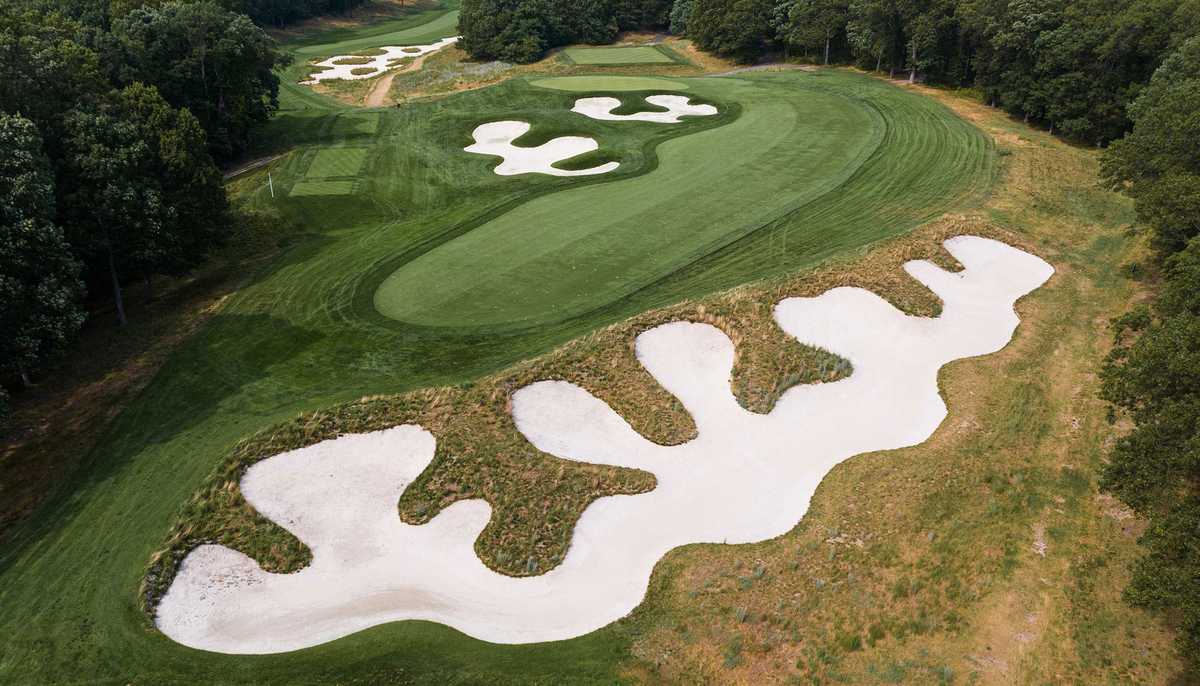
Native, short grasses—particularly fescue—frame the course and its surrounds. These grasses produce low, running shots and extensive ball roll; they also make the margins penal without being punitive in the conventional thick‑rough sense. The landscape therefore encourages players to play ground game shots, control spin and accept that sidehill bounces and unpredictable runs are integral to scoring.
Architecture, routing and the course’s links identity
Architectural intent leans toward open routing that exposes holes to coastal breezes and uses contour and deep bunkering to define strategy. Green complexes are shaped to interact with wind and approach angles, so trajectory control becomes decisive: the angle of approach, where a player allows the ball to land relative to slopes, and the use of the ground as an ally are all central tactical considerations.

How the course plays: ball‑flight and behaviour
Because the course is set up firm and fast and framed by short grasses, players are encouraged to hit lower trajectories to keep the ball under wind and to anticipate significant ground interaction. The preferred play is often to run the ball into greens or use controlled bump‑and‑run approaches rather than relying on high, holding shots—an approach that rewards trajectory discipline and creative use of slopes.
Historical identity and heritage
The venue’s identity is inseparable from a longer heritage of American clubs that embraced a links aesthetic: open exposures, simple routing, and native grasswork. Over time the course’s reputation has grown because stewardship and occasional restorations affirmed those qualities rather than erasing them. That continuity of character—exposed routing, firm surfaces and fescue edges—keeps the course aligned with the links tradition in American golf memory.
Why this history still matters
The sequence of choices—site selection, routing that honours wind, agronomy that prioritises firmness and the preservation of native grasses—matters because it determines how the course will test players across generations. When a venue commits to those principles, it resists trends toward purely penal rough or hyper‑soft setups and instead preserves a test that rewards shot‑making judgment, ground game skill and adaptability to wind.
Final reading: identity in practice
Read a round at Hard Labor Creek Golf as a conversation between wind, turf and architecture. The open horizon supplies the conditions, short grasses and firm surfaces define the vocabulary of shots, and routing and greensmanship create the sentences. The measurable outcome—how players strike the ball, choose trajectories and use the ground—follows directly from that historical and architectural grammar.
Author: {Eric M.}