Golf Scoring Explained: Par, Birdie, Eagle, Bogey and Scorecards
Golf scoring can look like a language of its own. This guide to golf scoring explained breaks down the basic terms you see on a scorecard — par, birdie, eagle, bogey and more — and shows why, in stroke play, fewer strokes win. Read on for practical tips, rule context, and a short note on how these ideas translate into course strategy and golf wall art.
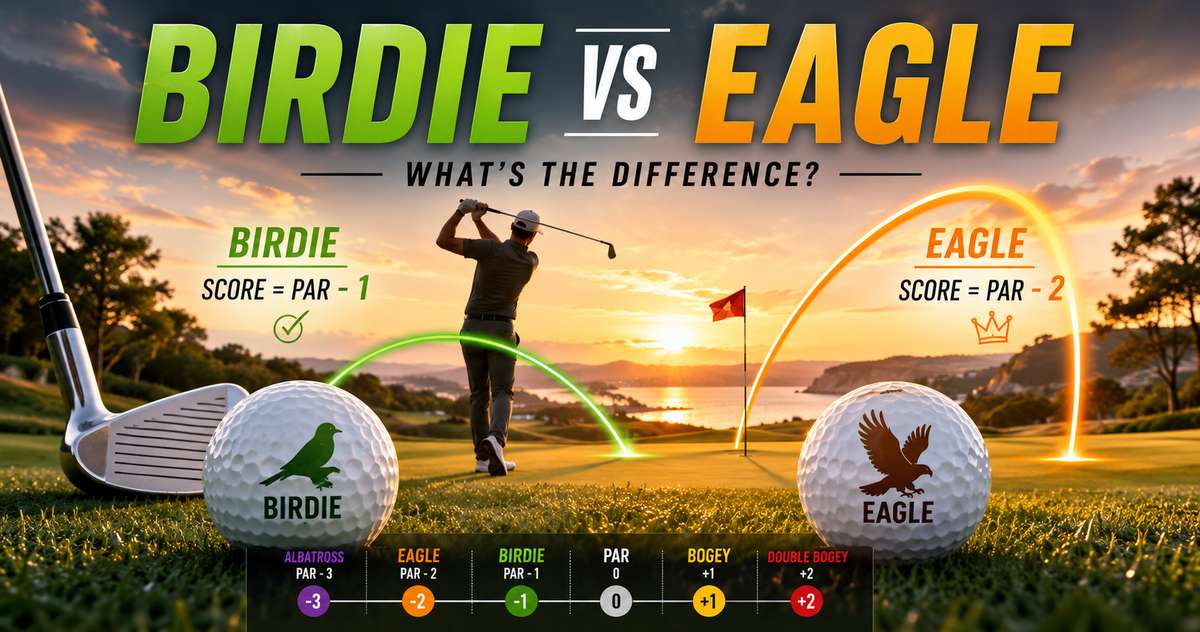
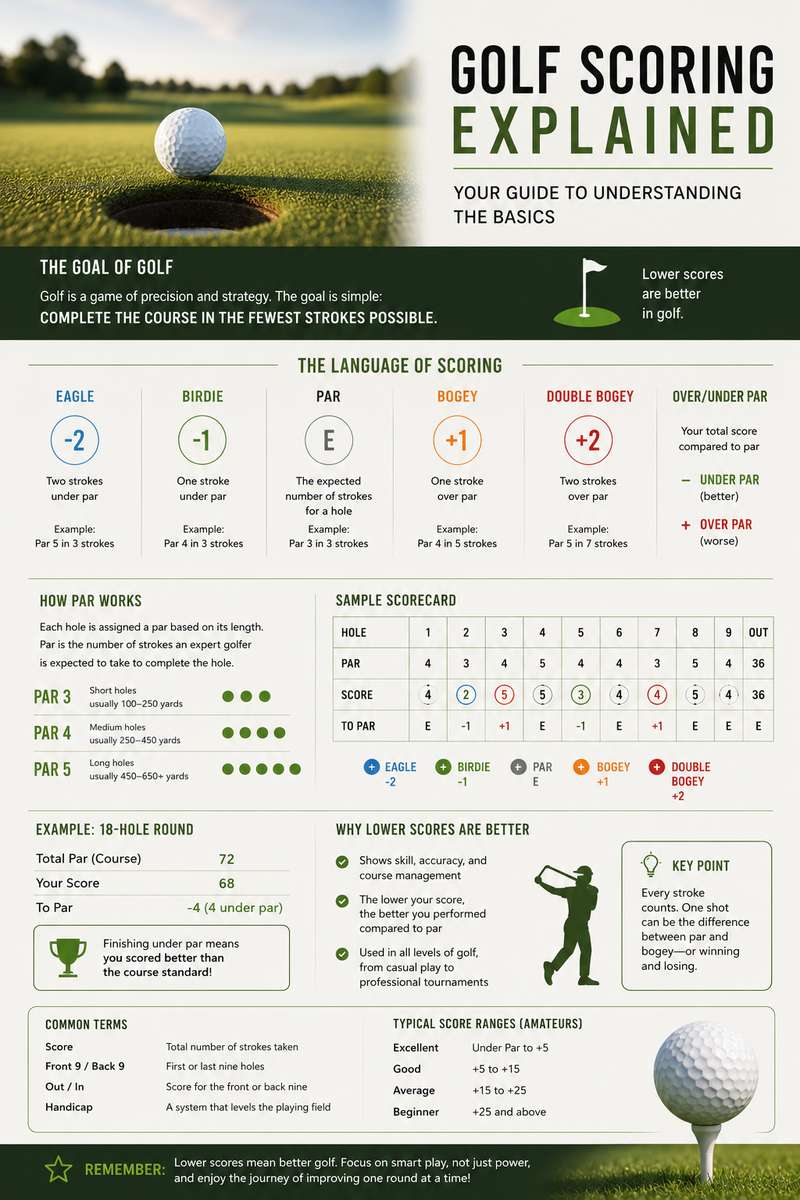
Quick summary: Par is the expected strokes for an expert on each hole and is printed on the scorecard. Scores relative to par use simple names: birdie (−1), eagle (−2), bogey (+1). In stroke play the player with the fewest total strokes wins.
Quick access: Definition • Scoring & format • Scorecards
CLEAR DEFINITION
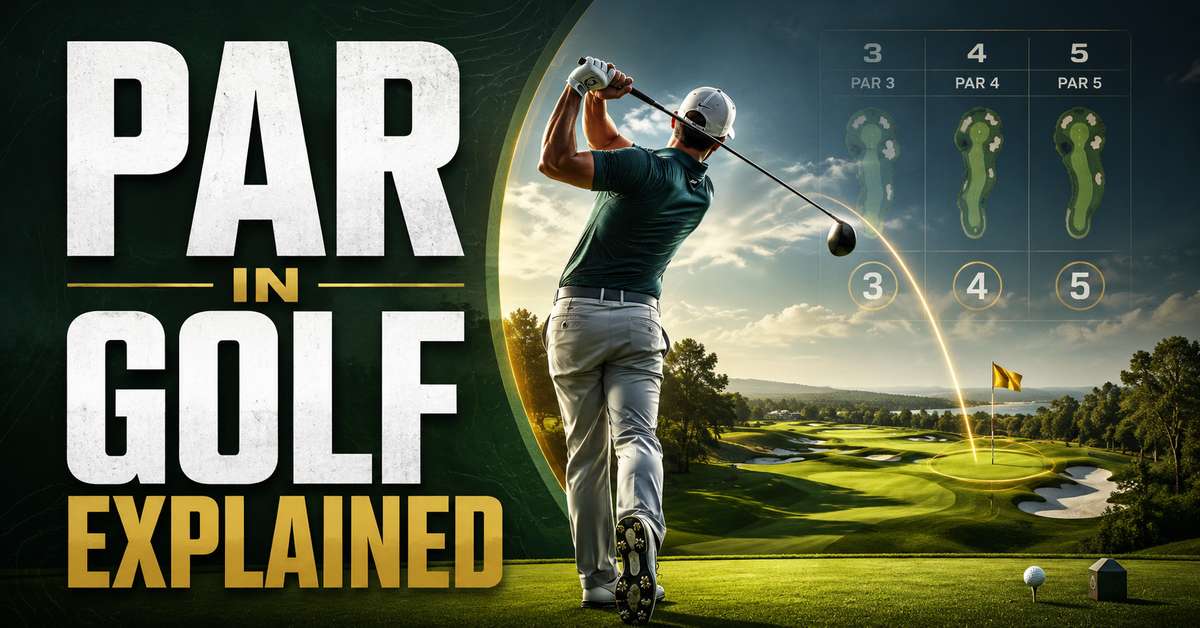
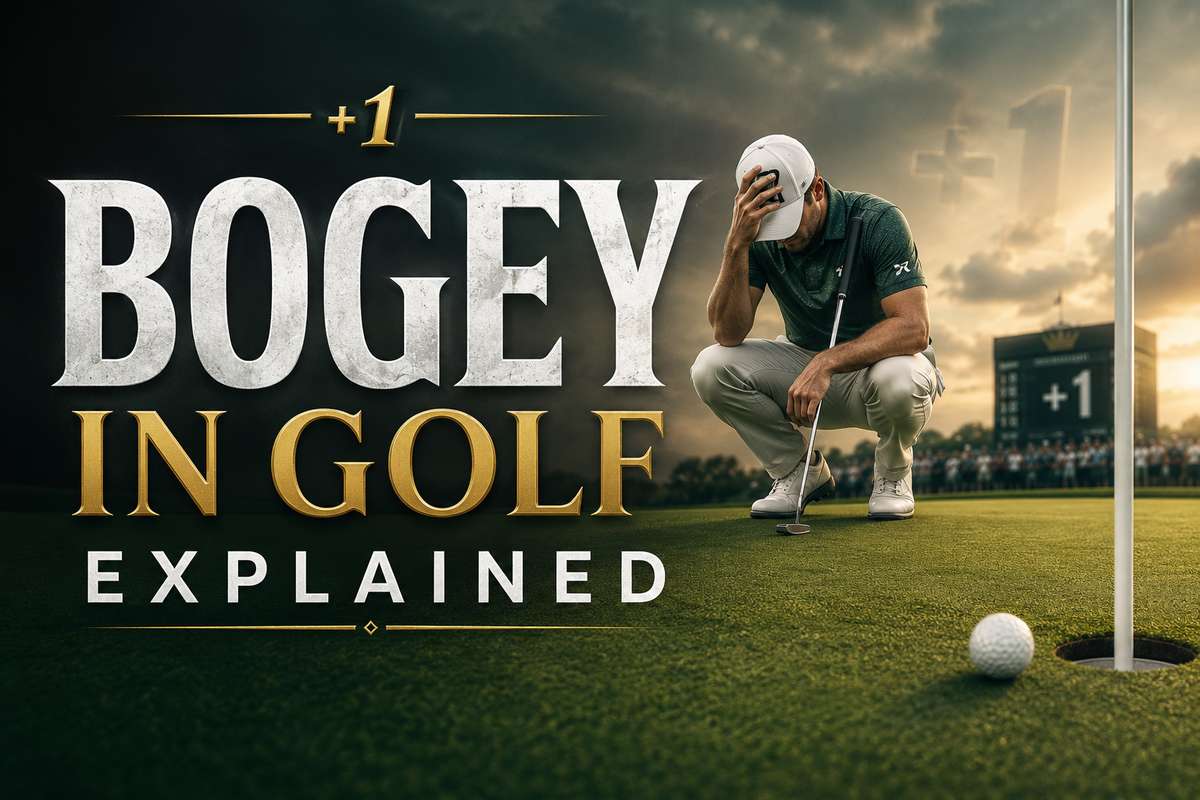
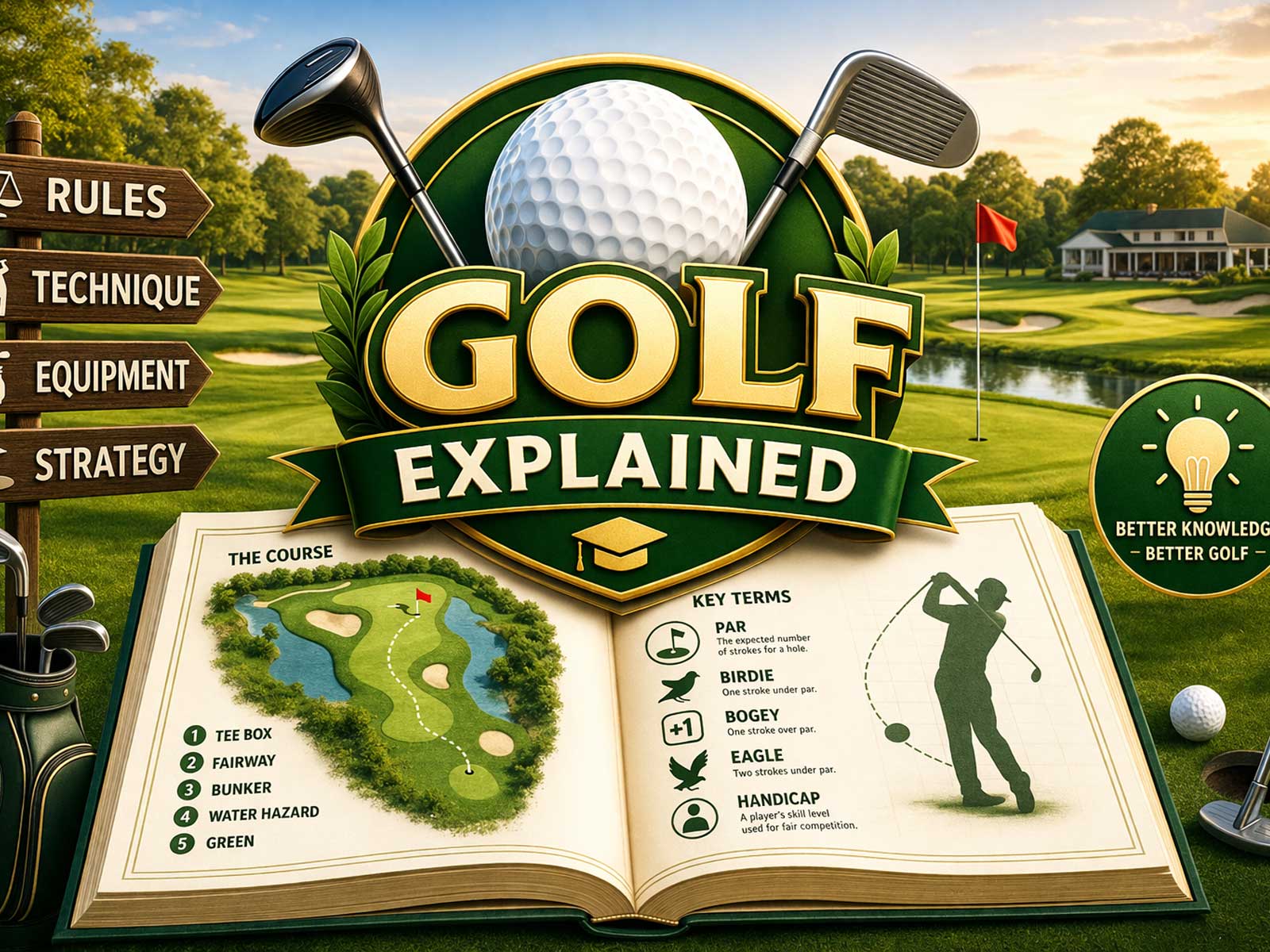
Par is the number of strokes that a scratch (expert) player is expected to take to complete a hole under normal conditions. Each hole’s par is printed on the course scorecard and the course’s total par is the sum of those hole pars. Common single-hole scoring names refer to strokes relative to par: birdie = one under par, eagle = two under par (an albatross or double eagle is three under), bogey = one over par, double bogey = two over, and so on.
HOW IT WORKS
On each hole you count every stroke, including penalty strokes, until the ball is holed. Par for holes is usually set by hole-length guidelines and course designers following those guidelines; these established pars appear on the scorecard. In stroke play every stroke on every hole adds to your round total.
SCORING AND FORMAT
In stroke play, the most common competitive format, a player's round score is the total number of strokes for all holes. The player with the fewest total strokes wins — which is why lower scores are better in golf. Relative-to-par totals are often shown alongside gross stroke totals: a player can be reported as "three under par" for the round, meaning their total strokes are three fewer than the course par.
SCORECARDS
A typical scorecard lists each hole with its par and provides columns to record gross strokes per hole. Because par is printed on the card, it’s the reference for identifying birdies, bogeys and eagles. In stroke-play competitions players (and markers) must certify hole scores according to the Rules of Golf; the scorecard is the official record of the round.
WHY IT MATTERS IN GOLF
Knowing par and the relative scores matters for strategy and pacing a round. A conservative hole strategy may aim to make par and avoid bogeys, while riskier plays chase birdies or eagles. Tournament standings, handicaps, and official posting routines use par as the baseline, so understanding how each hole’s par shapes your expectations is central to playing and following golf.
COMMON MISUNDERSTANDINGS
Beginners sometimes assume "par" is a fixed difficulty rather than a guideline tied to hole length and conditions. Another common confusion is thinking higher numbers are better—unlike many sports, in golf a lower stroke total wins. Also, historical uses of terms like "bogey" evolved; today it simply means one over par.
READER VIEWING GUIDE & GOLF ART
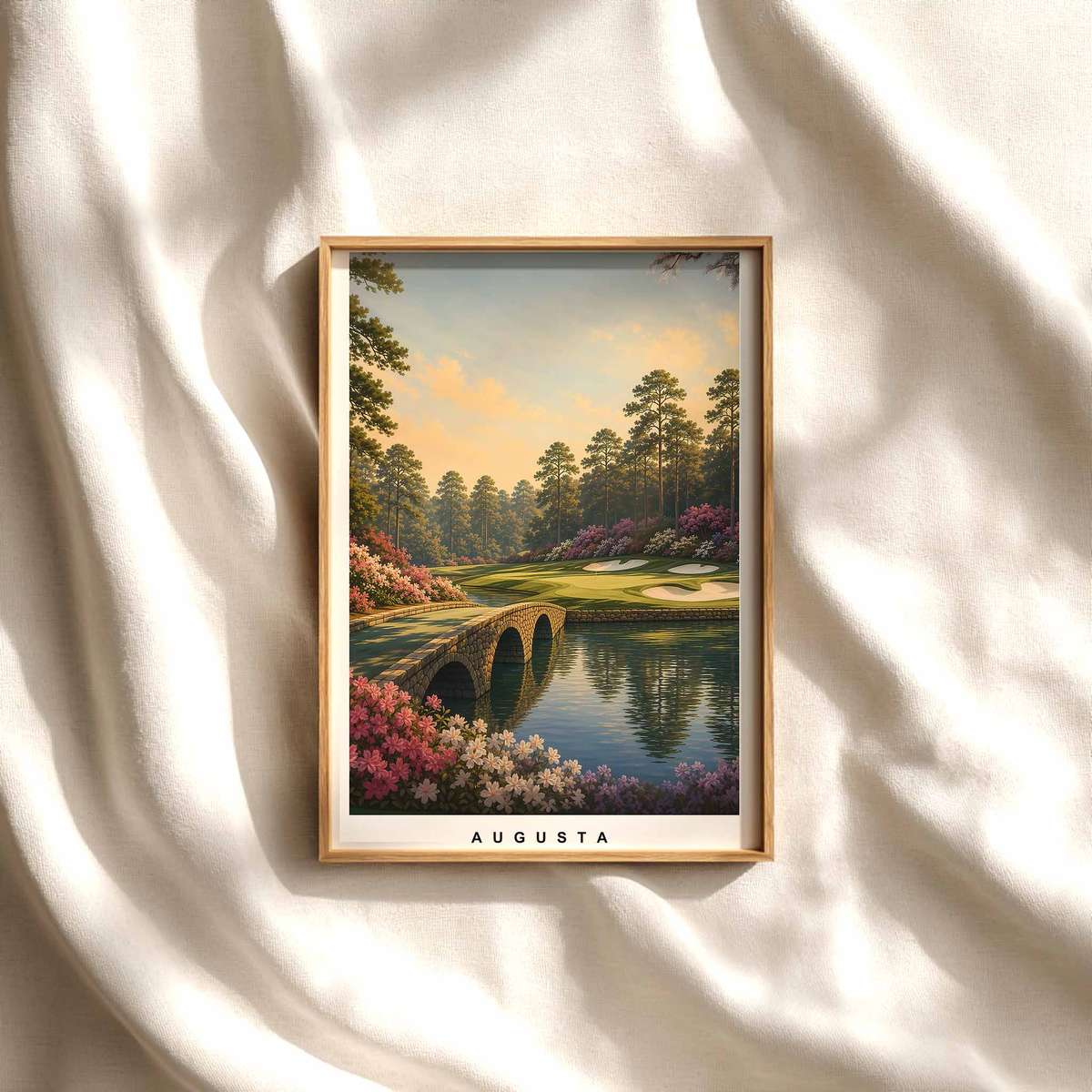
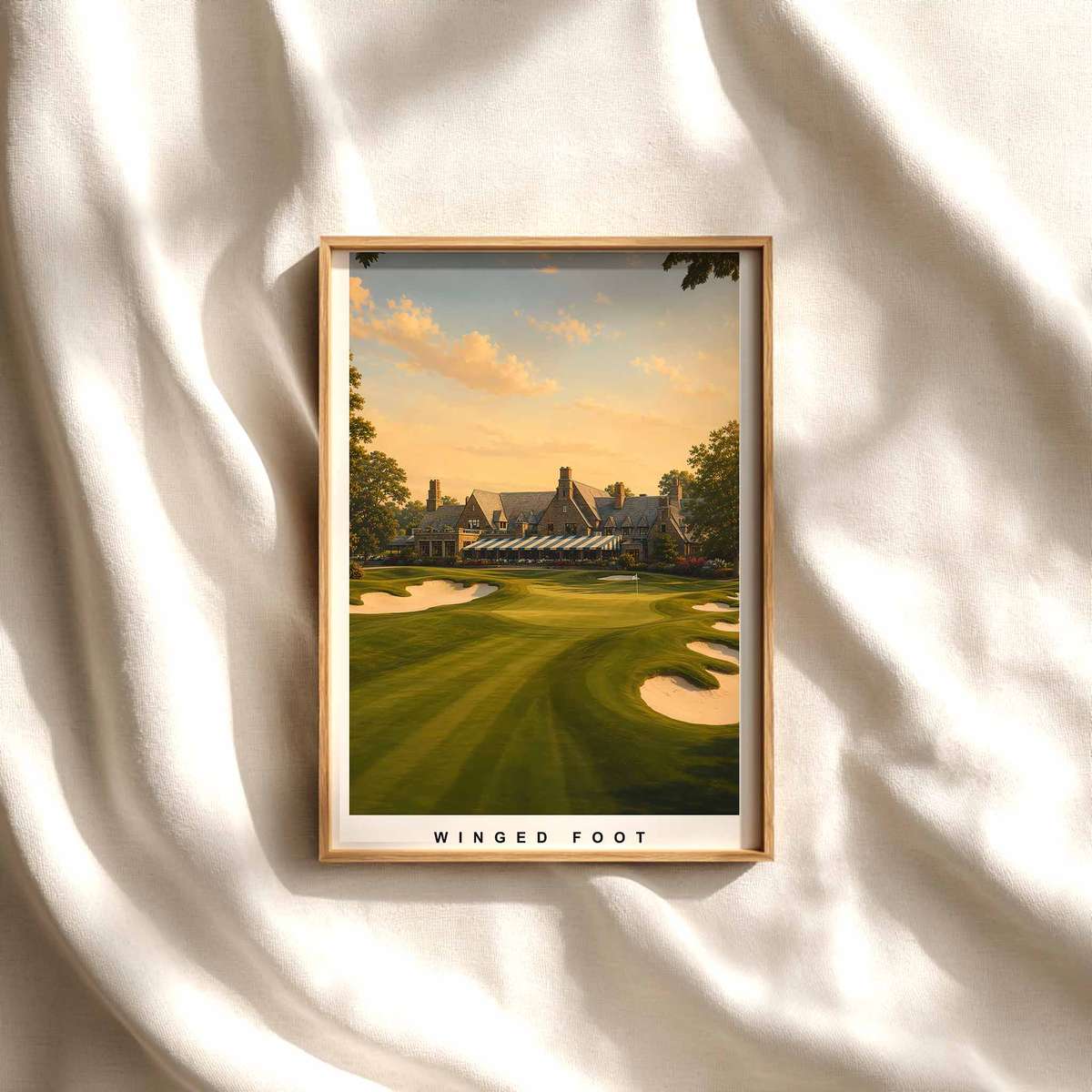
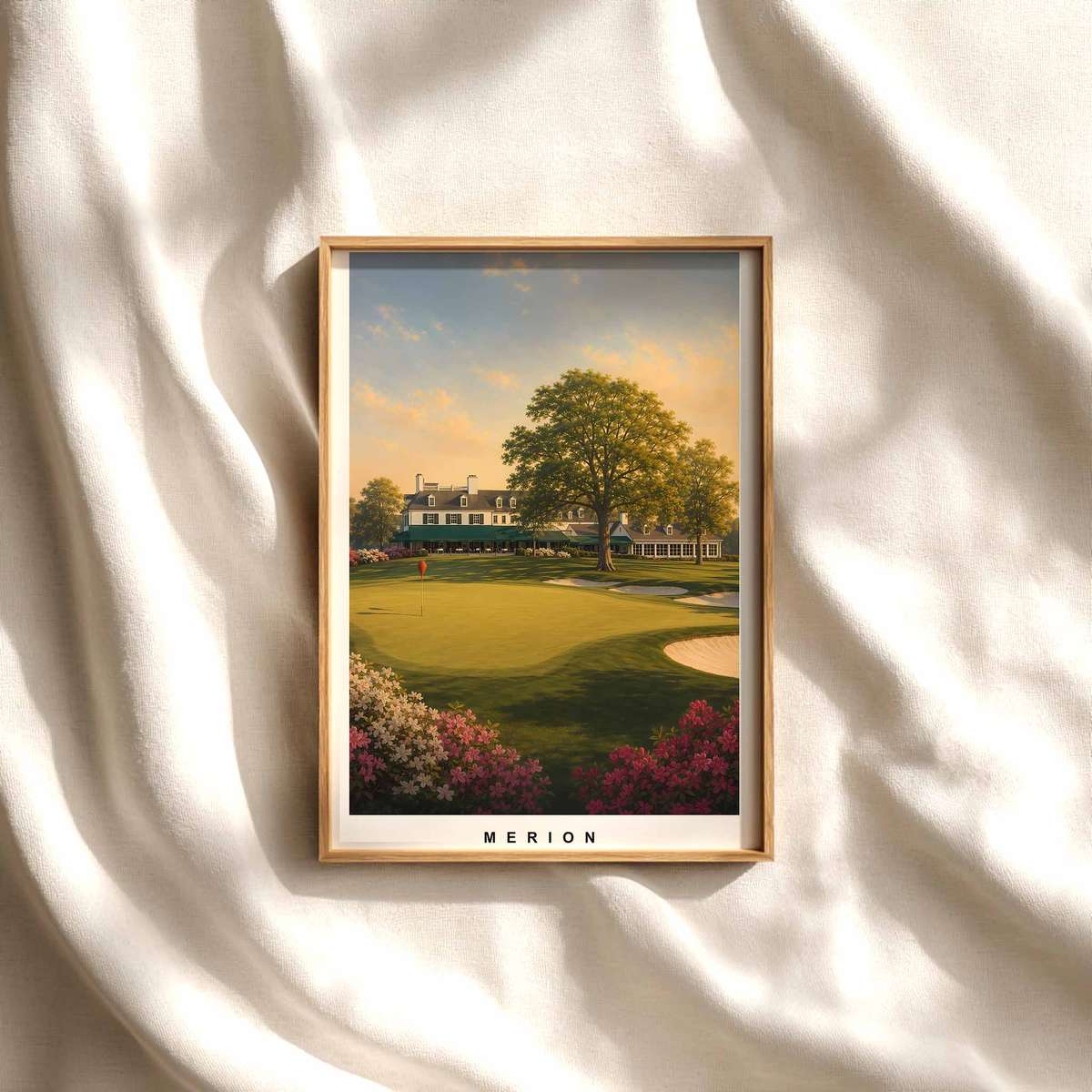
When watching golf, note how broadcasters display both gross strokes and relation-to-par; that snapshot shows whether a player is gaining or losing against the course expectation. Visually, scoring terms and famous holes lend themselves to golf posters and clubhouse art: a vintage print of a long par‑5 invites thoughts of eagling the hole, while minimalist scorecard art celebrates the par sequence of a famous course. Those images connect the abstract idea of par to the landscape and strategy that created it.
CLOSING INTERPRETATION
Understanding golf scoring — par, birdie, eagle, bogey and the role of the scorecard — lets you read a round at a glance and follow strategic choices on course. Because stroke play rewards the fewest total strokes, every hole’s par and every stroke matter; that simple arithmetic is what turns landscapes, clubs and shots into competition, history and the visual traditions you see in golf prints and clubhouse decor.
Author: Alex R.