What 'Master Championship' Really Means: Why the Masters Tournament Is Unique
The phrase master championship can sound like a generic label for a major event, but in golf it invites a closer look — especially when we recentre the conversation on the Masters Tournament. The Masters is not merely a large or important tournament; it is an annual, invitational major played at a single, permanent venue and wrapped in traditions and codes that set it apart from other big events. This article explains what those distinguishing features are and why they matter to players and fans.
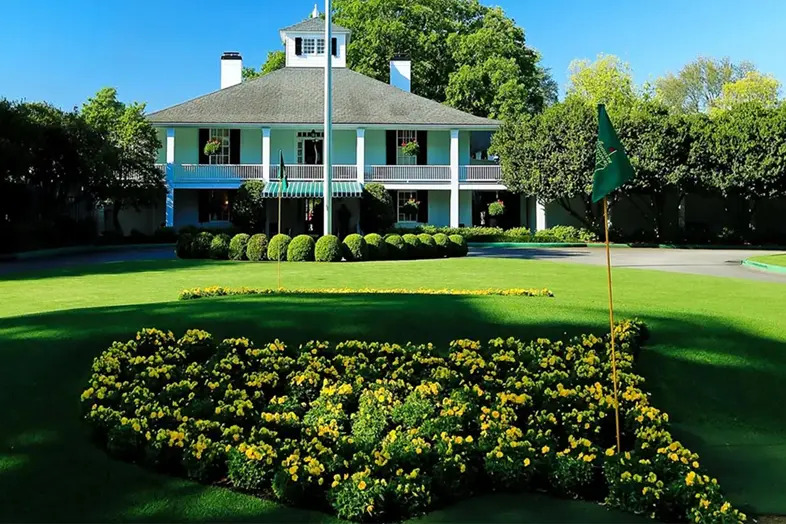
The Masters Tournament began in 1934, became officially known as the Masters Tournament in 1939, and is played each year at Augusta National Golf Club. It is one of golf's four men's majors, distinctive for being invitational, privately run, and always at the same course.
What the term 'master championship' implies — and what it doesn't
When someone uses master championship in conversation, they may intend to convey prestige, difficulty, or historical weight. In golf the clearest and most relevant example is the Masters Tournament. That event embodies prestige, but its identity rests on concrete facts: a fixed venue, a private host club that controls invitations, and a set of long-standing traditions. Those attributes make it more than a big competition; they make it an institution with specific codes and limits on how it operates.
A brief, verified history of the Masters Tournament
The tournament was first held in 1934 as the Augusta National Invitation Tournament. The name Masters Tournament was adopted officially in 1939. Since its founding it has been played at Augusta National Golf Club in Augusta, Georgia. Those founding facts are crucial: the event was created by, and remains under the control of, the private club that hosts it.
Why the Masters is treated as a major — and why it's special among majors
The Masters is one of golf's four men's major championships. It is conventionally the first major of the year and is scheduled in the first full week of April. What distinguishes the Masters from the other majors is that it is always played at the same venue — Augusta National — rather than rotating among courses. That permanence shapes how players, broadcasters, and the golf calendar view the event.
Invitation, field size and governance: the operational codes
Unlike open qualifying models, the Masters uses an invitational and exemption-based field. Invitations and exemptions are controlled by Augusta National, so the club determines who plays through clear categories such as past champions, top-ranked players, and certain amateur champions. The private ownership and direct operation by Augusta National mean the club sets tournament operations and many of the event's defining customs.
Traditions and cultural codes that mark the Masters
Several traditions give the Masters a cultural identity beyond scorelines. The green jacket is the tournament's most visible emblem; while members at Augusta National wore green jackets from the 1930s, the champion began receiving a green jacket in 1949. Other long-standing practices — the Champions Dinner, named course features, strict course and patron policies, and the tournament's permanent trophies — contribute to a sense that the Masters operates under a particular set of codes rather than the conventions of a generic large tournament.

Why these distinctions matter to players and fans
Those structural differences change how the event is experienced. A fixed venue allows deep familiarity — players and caddies study the same greens, the same strategic angles and historical playing lines year after year. Invitational control shapes field composition, which affects competitive dynamics and narratives. Traditions and club governance influence how the tournament is presented, policed, and remembered. Together, these elements make the Masters more than a high-stakes competition: it is a ritualized moment on the golf calendar.
Common misunderstandings clarified
It is easy to conflate high status with generic size. A 'master championship' is not simply any major or large event. The Masters earned its status through a combination of historical continuity, distinctive governance, and rituals that other majors do not replicate in the same way. Equally, the green jacket is not merely a decorative prize; it is a symbol embedded in the tournament's history and the club's identity.
How to interpret the Masters' uniqueness in practical terms
For casual fans this uniqueness explains why the week feels different on broadcast and on-site: coverage leans heavily on tradition, and the course itself is presented as an enduring reference point. For players, the fixed course and invitation model change preparation and expectations — success at Augusta often reflects mastery of a specific place as much as a single week's peak form.
Takeaway — what 'master championship' should mean to you
When you hear master championship in golf conversation, let it point you toward context: is the speaker talking about historical weight, institutional distinctiveness, or simply a big event? If the reference is the Masters Tournament, the right shorthand is institutional prestige — a privately run, invitational major played each year at Augusta National with traditions and codes that go beyond the scorecard.
Author: {Eric M.}