Why Gary Player’s Durable Aura Comes from Discipline, Compact Elegance and…
Gary Player’s presence in golf feels like a concise lesson in efficiency: a compact swing, regimented preparation and an appetite for the world stage. That combination—discipline in body and mind, a visually recognisable playing identity, and repeated choices under pressure—explains why his aura endures. This piece looks beyond biography to the strategic moments when experience let him save energy without losing speed, and how those adaptations turned into defining competitive advantages.
Quick summary: Player married pioneering fitness and a compact swing to a relentless global calendar. His career facts—nine majors, a career Grand Slam, and signature final-round turns—anchor an editorial case that his discipline produced practical shot-making advantages under pressure.
What makes Gary Player immediately recognizable
Recognition starts with economy. Player’s profile on the course—shorter backswing, tightly wound follow-through and purposeful tempo—creates visual clarity: every motion looks like it has intent and reserve. That compactness isn’t merely aesthetic. It reduced wasted movement and made his swing repeatable under varied conditions around the globe.
Swing, rhythm and playing identity
Player’s swing identity reads as an argument for controlled power. A compact, efficient motion produces clubhead speed without extra physical theatrics, which dovetails with his early advocacy of fitness and focused practice. The result: a swing that could travel and remain consistent through decades of tournaments worldwide. That technical economy is part of why his image remains instructive for players who want power without excess.
Composure, adaptation and decision-making under pressure
Experience often matters most in the small choices players make during a round—conserving energy where possible, then summoning precisely the right intensity when a moment calls for it. Player’s career offers clear instances of that economy becoming decisive. The most striking example is the final round of a Masters where he produced a low 64, birdieing seven of the last ten holes to come from behind and win. That performance shows how disciplined technique and mental control can convert into aggressive scoring when it counts: he didn’t rely on raw expended effort but on calibrated play and confident decision-making.
Defining wins and era-shaping moments
Facts anchor the interpretation. Player won nine major championships and completed the career Grand Slam by winning the U.S. Open, a milestone that places his competitive record among the truly versatile champions. He was a three-time Masters champion, including the comeback final round described above, and had peak seasons—such as the year in which he won two majors—that underline his capacity to adapt winning strategies across different major setups.
Public image, style and visual memory
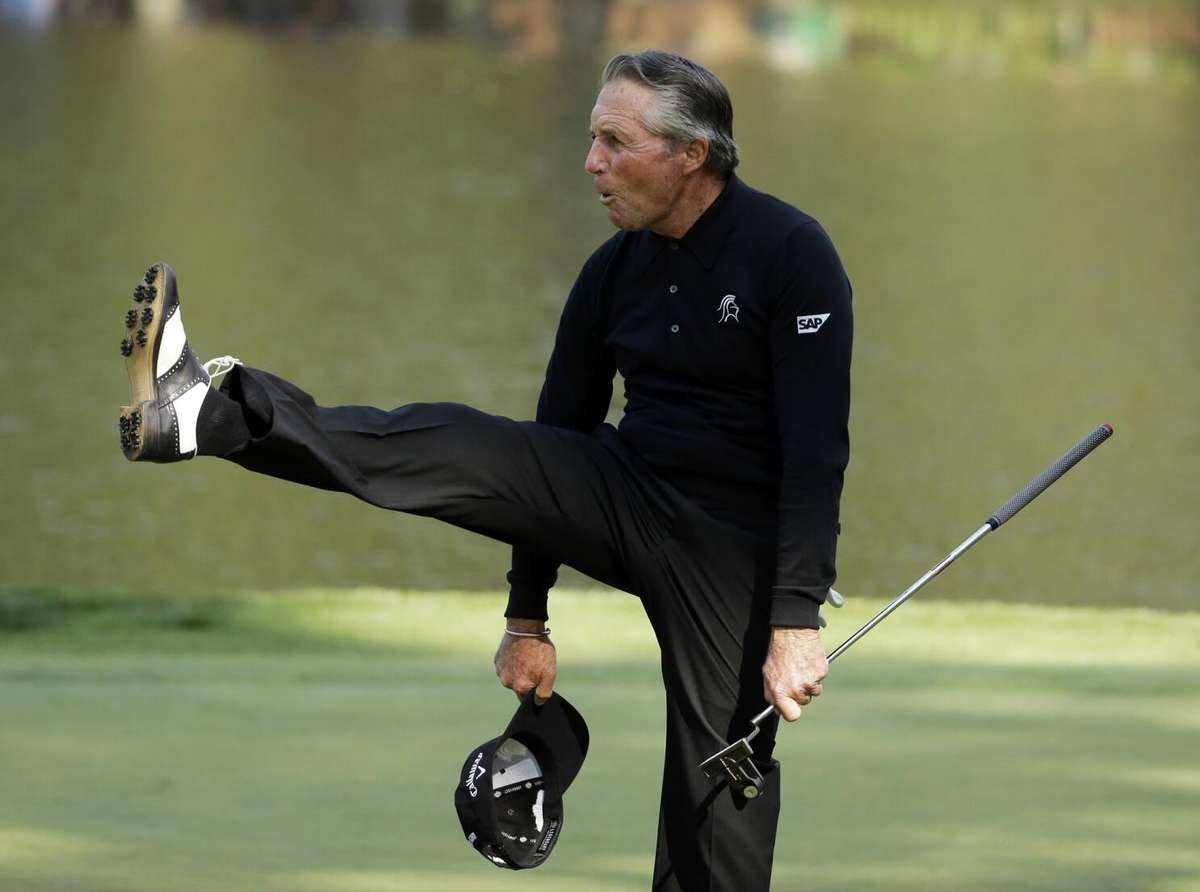
Player’s disciplined approach extended to an unmistakable public persona: a consistent, almost theatrical economy of presentation that reinforced the idea of a golfer in control. His commitment to fitness and the repeated image of a compact, efficient player made him instantly poster-worthy—an image that travels well through photographs and time. That visual consistency turned into a cultural shorthand for professionalism and global ambition.
Why the global ambassador role matters to his aura
Being globe-trotting is not only a stat about travel; it reframes how a player earns recognition. Player’s long history of international competition and his many victories worldwide—part of a record tally of professional wins—made him a living example of golf’s international reach. His fitness-first message and compact technique were portable: they worked on links, parkland and foreign setups. That portability deepened his cultural imprint and made his disciplined methods models for diverse playing contexts.
What this figure reveals about golf culture
Player’s career suggests a cultural lesson: durability in golf is a marriage of technical thrift and situational boldness. Discipline creates a reserve of energy and repeatability; experience teaches when to convert that reserve into decisive aggression. The famous final-round surge and the completion of a career Grand Slam are not merely trophies but proof that a compact, conditioned game can be both frugal and ruthless when required.
Closing interpretation on lasting appeal
Gary Player’s enduring aura rests on three linked truths: an efficient, recognisable swing; a disciplined approach to fitness and preparation; and a habit of making the right adaptive choice under pressure. Those elements explain why memories of his best rounds feel instructional rather than merely nostalgic. They show how experience can conserve effort without blunting competitive intent—an appeal that endures wherever golfers value smart, repeatable excellence on a global stage.
Author: {Eric M.}