How Oakmont Stayed Uncompromising: The Course’s Long Arc of Creation, Defence…
Oakmont Country Club’s reputation as an uncompromising test of golf is not an accident. From its organization by Henry Fownes in 1903 and opening in 1904 to the careful stewardship and restorations of the late 20th and early 21st centuries, Oakmont’s character has been deliberately maintained. The course is best understood as a continuing conversation between original penal intent—deep bunkers, severe green complexes and an exposed routing—and the custodial choices that either softened or restored that intent. This piece traces how creation, defence and restoration combined to preserve Oakmont’s architectural identity and why those choices still matter for anyone trying to understand the course today.
Quick summary: Oakmont was organized by Henry Fownes (1903) and opened in 1904. Its early penal features—deep "mouth" bunkers and large, fast greens—were shaped by the Fownes family and long-serving groundskeepers. Late-century restorations removed many trees and reinstated historic bunker and green forms, led in recent years by Gil Hanse, to return the course to its original, wind-exposed, unforgiving personality.
First visual reading of Oakmont
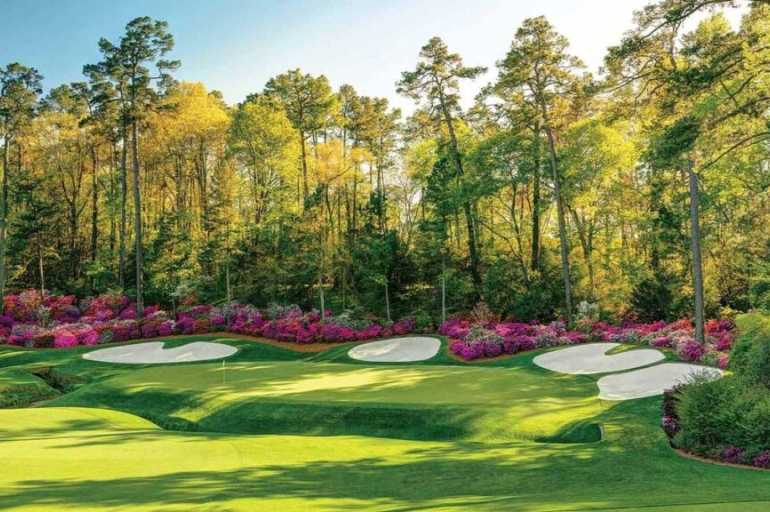
At first glance Oakmont reads like a course that expects accuracy and punishes imprecision. The visual identity is defined by large, exposed fairways, prominent, deep bunkers and greens whose edges and contours dominate how a hole is played. Those early impressions come from features laid down in the club’s first years under Henry Fownes and the custodial shaping that followed: the aesthetic is not ornamental but functional—every hazard and contour serves a strategic purpose.
Layout, routing and strategic personality
Oakmont’s routing and strategic personality were established in the club’s formative era. The routing emphasizes movement across wind-exposed ground and places premium value on approach position into complex greens. Historically, custodians and groundskeepers reinforced that personality, tightening the penalty for wayward shots through the placement and scale of bunkers and the shaping of green surrounds. The cumulative effect is a layout that asks players to manage angles and trajectory rather than simply overpower the land.
Greens, bunkers and decision-making
Two features stand out as central to Oakmont’s identity: exceptionally fast, large greens and deep, often cavernous bunkers. These elements shaped early descriptions of Oakmont as one of the nation’s toughest courses. Green edges and contours demand precise approach shots and imaginative short-game decisions; the deep-mouth bunkers impose heavy penalties for misjudged lines or distances. Over time, that interplay of green speed and severe bunkering became the course’s signature strategic conversation.
What the landscape asks from the player
The landscape at Oakmont rewards disciplined play and punishes casual aggression. When the course was altered by later additions—particularly the mid-century tree plantings that partly sheltered holes—the visual and strategic emphasis could become muted. Restorations aimed to reverse that trend by restoring exposure to wind and reinstating the original relationships between fairway, hazard and green. The result is a course that asks players to think about trajectory, pin position and the way wind will interact with every shot.

How restoration preserved an uncompromising reputation
Beginning in the 1990s and intensifying through preparations for modern championships, Oakmont undertook a long-term program of restoration rather than modernization. The objective was explicit: return the course to its earlier playing characteristics instead of softening them. A major, measurable part of that work was the removal of a large number of trees—more than 12,600 were removed during a roughly 20-year restoration—to restore wind exposure and recapture the original visual and strategic openness of the routing.
Custodianship, architects and targeted interventions
Custodianship across generations—beginning with Henry Fownes and including the family and groundskeepers who followed—kept Oakmont’s penal DNA intact. In recent restoration phases, architect Gil Hanse (with collaborators on some work) led projects that deepened and restored bunkers, reestablished historic green edges and contours, and made selective adjustments to greens to preserve playability while reinforcing original character. Those interventions were surgical: the goal was not to reinvent but to reveal the features that defined Oakmont from its earliest days.
Tournament identity and cultural weight
Oakmont’s long relationship with the USGA and its history of hosting USGA championships have reinforced the club’s identity as a championship test. The restorations ahead of recent championships emphasized the course’s historic traits—fast greens, deep bunkers and wind exposure—so that championship setups would test the same strategic skills the course has demanded for more than a century. That continuity between everyday playing character and championship identity is a major reason Oakmont’s reputation endures.
Why this trajectory still matters
Oakmont’s story matters because it shows how deliberate stewardship preserves architectural intent. The course did not arrive at its reputation by chance; it was created with a penal philosophy, defended by successive custodians, and then consciously restored when later changes threatened that philosophy. For players and historians alike, Oakmont demonstrates that architecture, maintenance and restoration are tools to keep a course’s strategic voice consistent across generations. The revived openness, the restored bunkers and green edges, and the confirmed championship role all underline the same message: Oakmont was designed to demand respect—and those demands have been kept intact.
Closing interpretation
Oakmont Country Club is an exercise in architectural fidelity. From Henry Fownes’s original work to the modern restorations led by Gil Hanse and the club’s long-term custodianship, the course has been maintained and reopened to the strategic harshness that made it famous. Its deep bunkers, fast greens and reintroduced wind exposure are not nostalgic gestures; they are functional decisions that preserve a particular kind of golf test. For anyone studying course design or seeking to understand why certain venues retain cultural weight, Oakmont’s arc—from creation through defence to careful restoration—offers a clear and instructive example.
Author: {William L.}