
What Makes a Great Golf Course Visually and Strategically Memorable — driving…
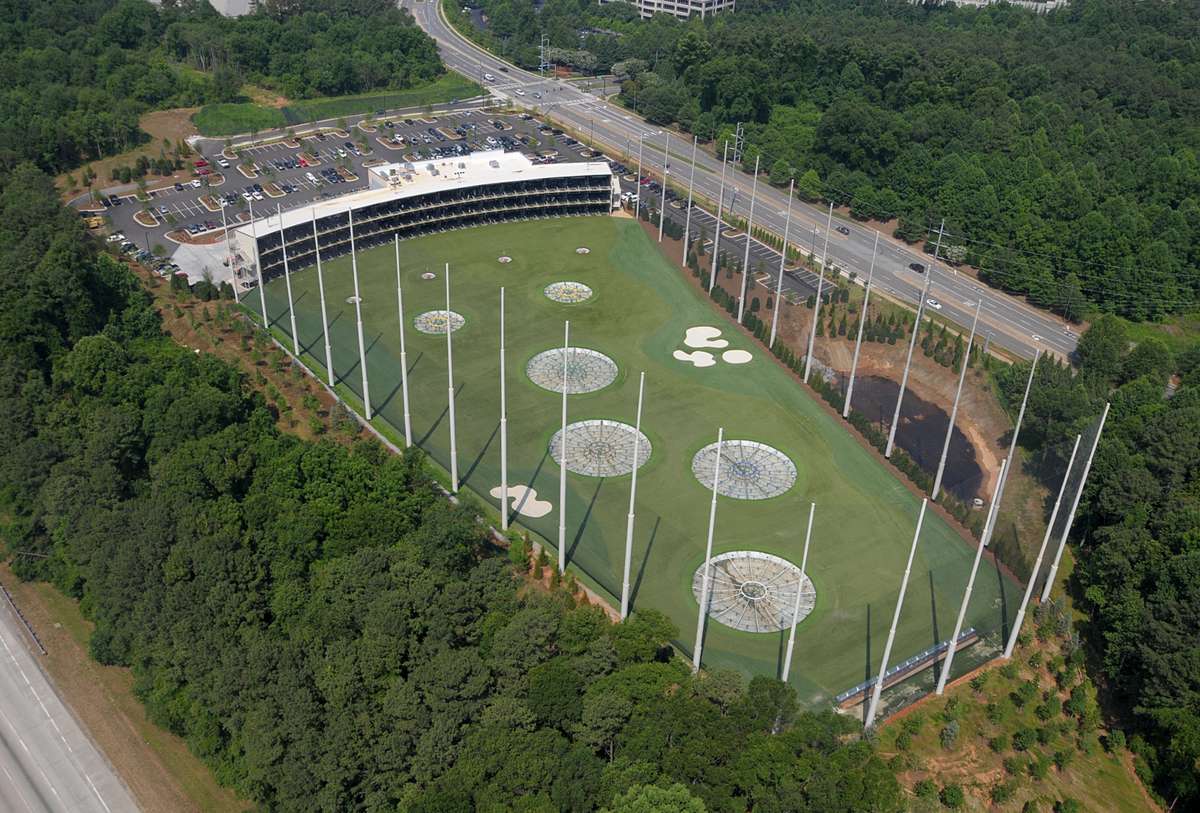
The best golf courses live in the mind long after a round ends because they manage three things at once: they look unforgettable, they ask interesting questions of every shot, and they feel rooted to a particular place. This piece unpacks how architecture, landscape planting, routing and green design combine to create courses that register as both beautiful and strategically rich. The main keyword driving range appears here as part of the course ecosystem — memorable venues accommodate practice areas and a full playing experience that reinforces their identity.
Short summary: Memorable courses marry natural landform and thoughtful routing with a planting and horticultural program that cements a sense of place. Strategic bunkering, coherent green complexes and evocative place names extend their cultural weight.
Quick access: First look | Routing & strategy | Greens & hazards
First visual reading of the course
The initial impression of a course—the postcard view that sticks in a player’s head—comes from a combination of planting, landform and singular architectural moves. A designed planting scheme, especially one that grows from an historical landscape, gives a course seasonal theatre: color, contrast and rhythm that guide the eye across fairways and greens. The example of a site once used as a commercial plant nursery shows how horticultural heritage can become the backbone of a course’s visual identity, turning routine vantage points into memorable tableaux.
Layout, routing and strategic personality
Routing is the skeleton of strategic identity. When architects respect natural contours, they let the land suggest which holes belong where and how fairways should move. A routing that follows existing landform produces variety—shorter holes that play uphill, longer holes that use downhill run, and sequence-driven demands that reward course management. Architects who prize strategic shot values design choices that create options rather than pure penalties: well-placed bunkers, generous corridors that narrow toward the green, and sightlines that frame decisions.
Greens, bunkers, hazards, and decision-making
Coherent green complexes are central to a course’s strategic memory. Greens that relate to their surrounds through contours, run-offs and subtle slope force players to think about approach angles and spin. Bunkering—when used in a strategic, not merely punitive, manner—defines the corridor of play and clarifies risk-reward choices. The most memorable hazard systems are those that create genuine strategic tension: they do not merely punish errant shots but shape the preferred line and reward intelligent shot selection.
What the landscape asks from the player
A course’s land and plant palette set expectations for how golf is to be played there. When a site’s planting program is deliberate and extensive it becomes more than decoration: it frames routes, marks holes across seasons and signals approach lines from a distance. Designers who use the site’s natural qualities—contours, wind exposure, water features—ask players to respond in kind, selecting clubs and trajectories that fit the terrain rather than forcing mechanical solutions that ignore place.
Signature holes, views, and memorable sightlines
Signature holes are shorthand for a course’s character. They often combine a strong visual composition with a strategic question—an angular approach to a well-framed green, a forced carry over water, or a dogleg revealed by a dramatic planting backdrop. Evocative place names and grouped features (the sort of named sequences that become part of golf lexicon) deepen the narrative power of these holes, making them anchors for memory and culture.
Tournament identity and competitive pressure
A course’s strategic vocabulary becomes amplified when repeated under championship conditions. A clear design philosophy—sensitive landform use, strategic bunkering and distinctive green complexes—translates into consistent challenges for competitors while spectators and broadcasters latch onto the course’s visual cues. Well-identified planting and place names strengthen that identity across generations, turning site-specific moments into recurring cultural reference points.
Heritage, prestige, and why courses become iconic
Courses that achieve iconic status do so through a mix of design integrity and rooted landscape. Historical collaboration between a champion player and an architect who favors natural contours and varied planting is exactly the kind of origin story that produces lasting identity. A substantial, intentional horticultural program—tens of thousands of plants across many varieties—gives seasonal spectacle and reinforces memory. When architecture, planting and narrative align, a course becomes a place people revisit in conversation, imagery and tradition.
Closing interpretation: what makes a course worth remembering
Memorable golf courses are not simply hard or beautiful; they are coherent. Coherence springs from design choices that respect landform, create meaningful shot values, and use planting and place-making to craft distinct sightlines. The most enduring courses pair a strategic architecture—routing that reads the terrain, greens that demand thought, bunkers that shape decisions—with a landscape identity that feels inevitable on the site. That synthesis is what turns good holes into iconic moments and a collection of holes into a landscape with cultural weight.
Practical takeaway: when you visit or study a great course, look for how planting and landform guide the route, how greens reward certain angles, and where the architect has left choices open. Those are the places that tell you everything about a course’s character.
Author: Eric M.