Birdie in Golf Explained: One Under Par, Why It Matters, and How Hole Type…
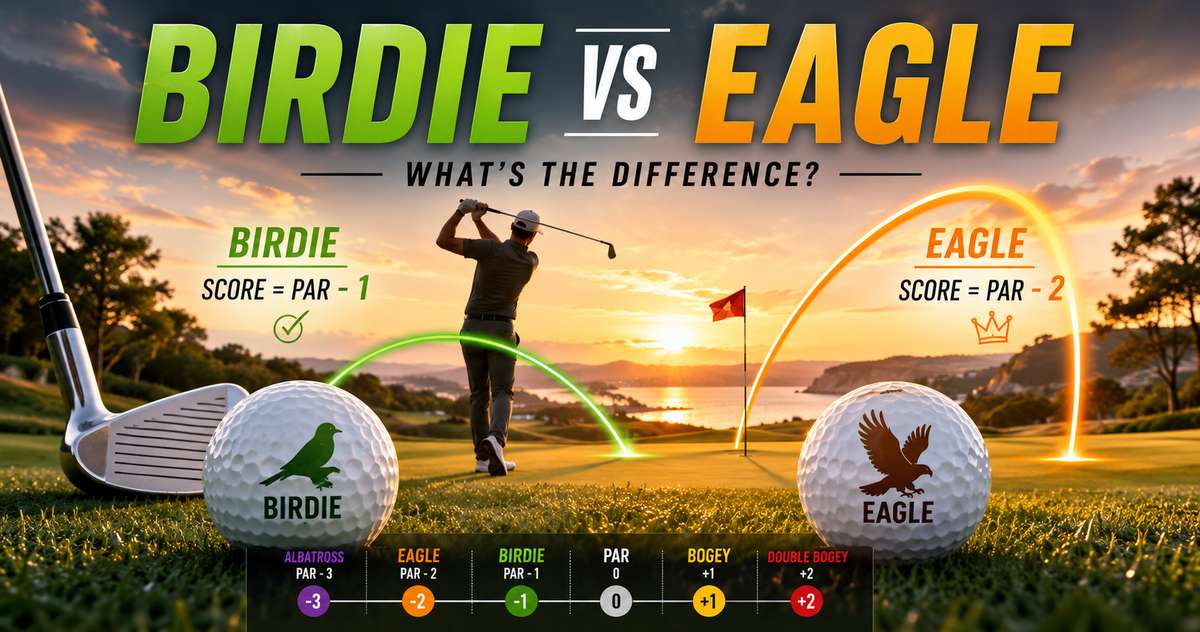
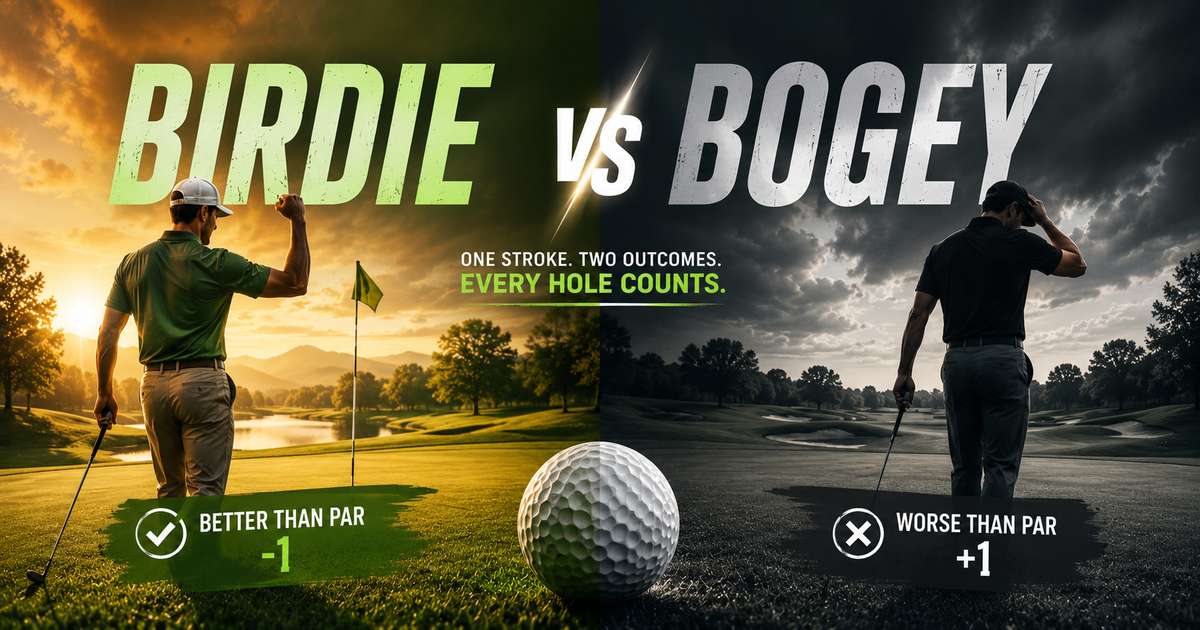
A birdie in golf is simply a score of one stroke under par on a hole. That clear definition hides a lot of practical meaning: birdies are the small gains that move scorecards, shape tournaments, and create memorable moments on different hole types.
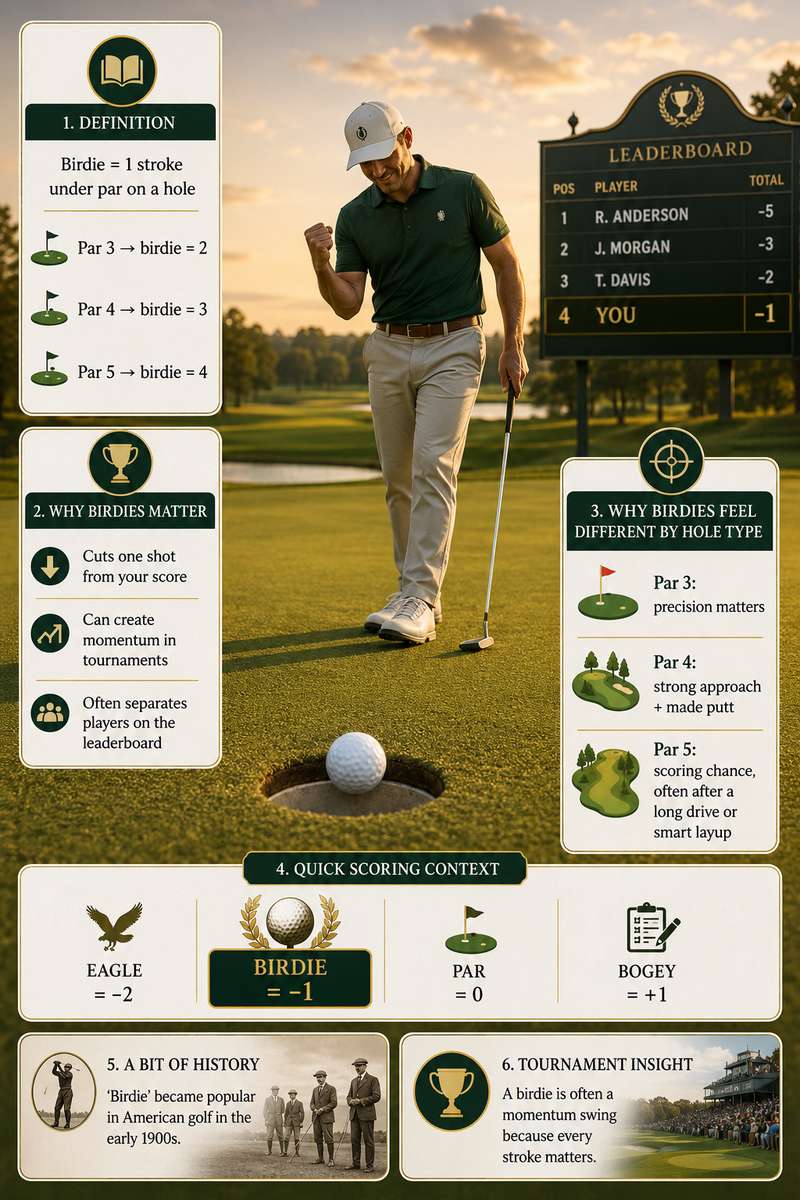
Quick summary: A birdie = one stroke fewer than the hole's par (for example, a 3 on a par-4). Birdies lower a player’s total in stroke play and are tracked as a key performance metric.
Quick access: Definition·Why they matter·Hole type differences
CLEAR DEFINITION
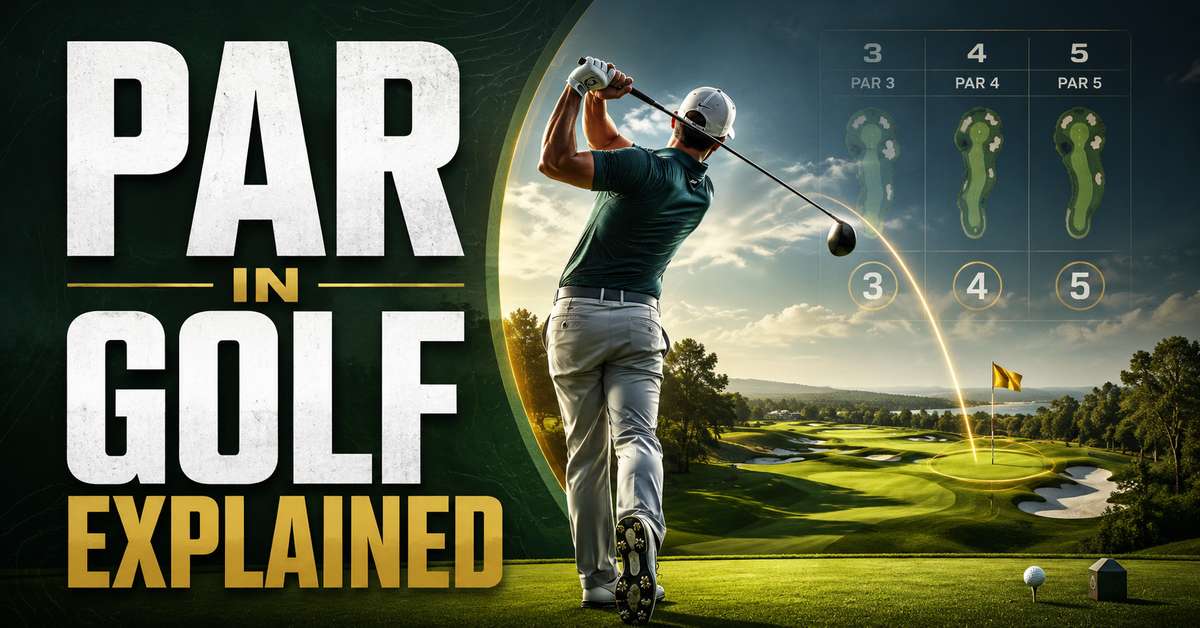
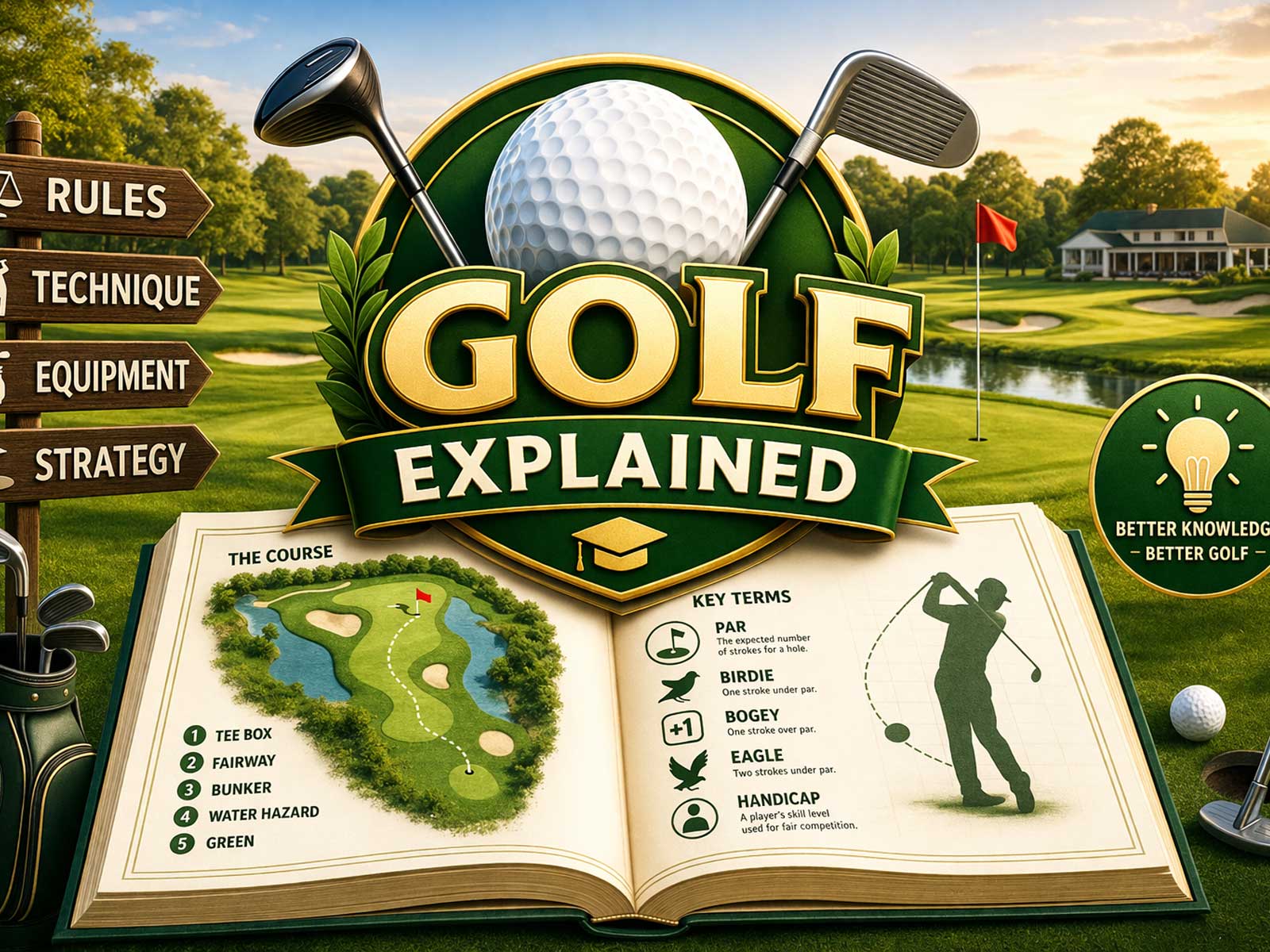
In plain terms, a birdie is a score of one stroke under par for a hole. Par is the predetermined number of strokes a skilled golfer is expected to take, so scoring one fewer stroke than that—say, a 3 on a par-4—qualifies as a birdie. The word comes from early American golf slang where "bird" meant something excellent, and it has been the standard name for one-under for many decades.
HOW IT WORKS
Par for a hole is set by designers and governing conventions; when a player completes the hole in one stroke fewer than that number, the score on the scorecard is recorded as a birdie. In practice, achieving a birdie usually requires a combination of length, accuracy, and reliable short-game or putting to convert the final strokes.
WHY BIRDIES MATTER IN GOLF
In stroke-play tournaments, each birdie reduces a player's total score relative to par by one stroke. Those single-stroke gains add up over 18 holes and multiple rounds and can change leaderboard positions. Because birdies are directly tied to total strokes, professional statistics track birdie averages as a key performance metric; top players commonly average multiple birdies per round.
SCORING AND FORMAT
Under standard stroke play, birdies simply lower the total strokes and are essential to under-par rounds. In alternative formats like Stableford, a birdie is often mapped to a specific points value—commonly +2 points for 1-under-par—showing how the concept carries clear value across scoring systems.
WHY BIRDIES FEEL DIFFERENT BY HOLE TYPE
Birdie frequency and the emotional feel of a birdie vary with hole type. Par-5s generally produce the most birdie (and eagle) opportunities for skilled players because the extra length creates chances to reach the green in fewer strokes. Short par-4s and par-3s also yield birdies, but the nature of the opportunity differs: a birdie on a reachable par-5 often rewards strategic risk and long shots, while a birdie on a tight par-3 or short par-4 may reward precise iron play and excellent putting. That difference in how the number is earned explains why some birdies feel more dramatic or rare than others.
PLAYER TYPE AND STATISTICS
Birdie rates vary with skill and playing style. Professionals track birdie-average statistics season by season; higher birdie averages indicate players who create and convert more scoring chances. For amateurs, birdie frequency will differ widely by length of course, hole setup, and short-game strength.
READER VIEWING GUIDE & COURSE STRATEGY
When watching a round, notice how players approach holes where birdies are likely: aggressive tee shots or going for the green on par-5s, precise iron shots on reachable par-4s, and careful tee selection and yardage control on par-3s. On scoreboards, a string of birdies stands out because each one shifts the total by a full stroke, making them obvious momentum changers in stroke play.
GOLF ART AND VISUAL LANGUAGE
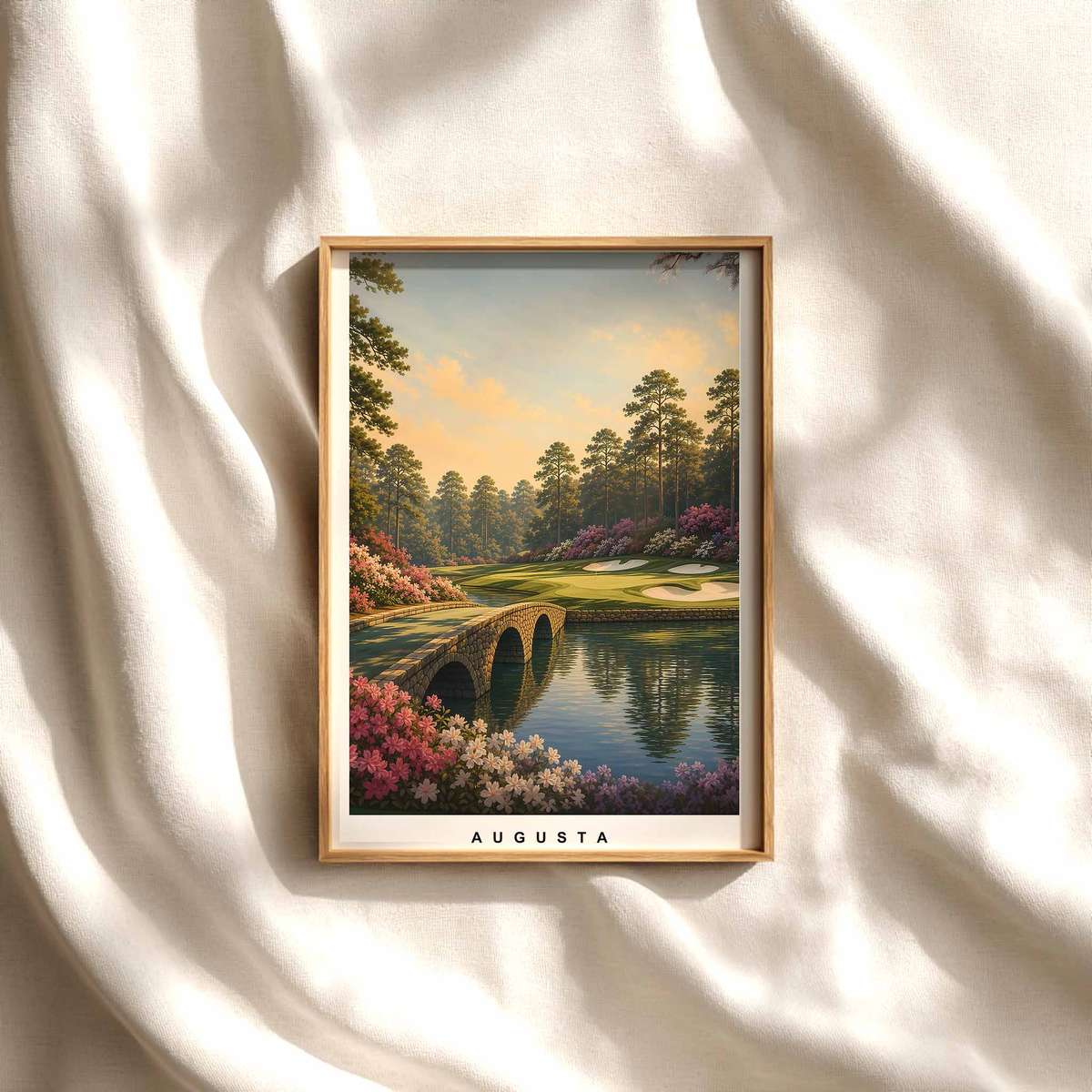
Birdies and the moments that create them are often celebrated in golf imagery. Vintage posters and clubhouse prints frequently capture decisive approaches, dramatic putts, or the landscape of famous par-5s and short par-4s where birdie chances loom. For wall art and décor, images of iconic birdie moments—an iron landing on a rolling green, a putter stroke framed by pin and bunker—evoke both skill and narrative: a small, elegant victory against the course.
CLOSING INTERPRETATION
Understanding a birdie as one stroke under par is simple, but its role in golf is layered: it is a measurable performance metric, a tactical target, and a visual moment that designers and artists celebrate. Whether earned with a long-iron approach on a par-5, a crisp tee shot on a short par-4, or two perfect putts on a par-3, birdies are the currency that moves scorecards and defines rounds.
Author: Eric M.