Par in golf explained: what par means, why par 3/4/5 differ, and how to read…
Par is the baseline every golfer sees on the scorecard: the expected number of strokes a scratch player (a zero Handicap Index) would take to complete a hole under normal conditions. Understanding par helps beginners read scorecards, helps players choose clubs and strategy, and shapes how courses are designed and celebrated in posters and clubhouse art.
Quick summary: Par is set mainly by hole length with an assumption of two putts on the green. Par values add to form a course par (commonly around 72 for 18 holes).
Quick access: Definition • How it works • Scoring
CLEAR DEFINITION
Par is the score that a scratch player would generally be expected to make on a hole under normal course and weather conditions. It is the standard printed on the scorecard and represents an agreed expectation rather than an exact prediction for every player.
HOW IT WORKS
Governing bodies such as the USGA and The R&A provide guidance used to establish par. Course committees or authorized associations set a hole’s par primarily by measuring length from tee to green and assuming two putts on the green. Other factors—terrain, hazards, prevailing wind, altitude and intended design—can influence the final decision.
WHY PAR 3, PAR 4, AND PAR 5 HOLES DIFFER
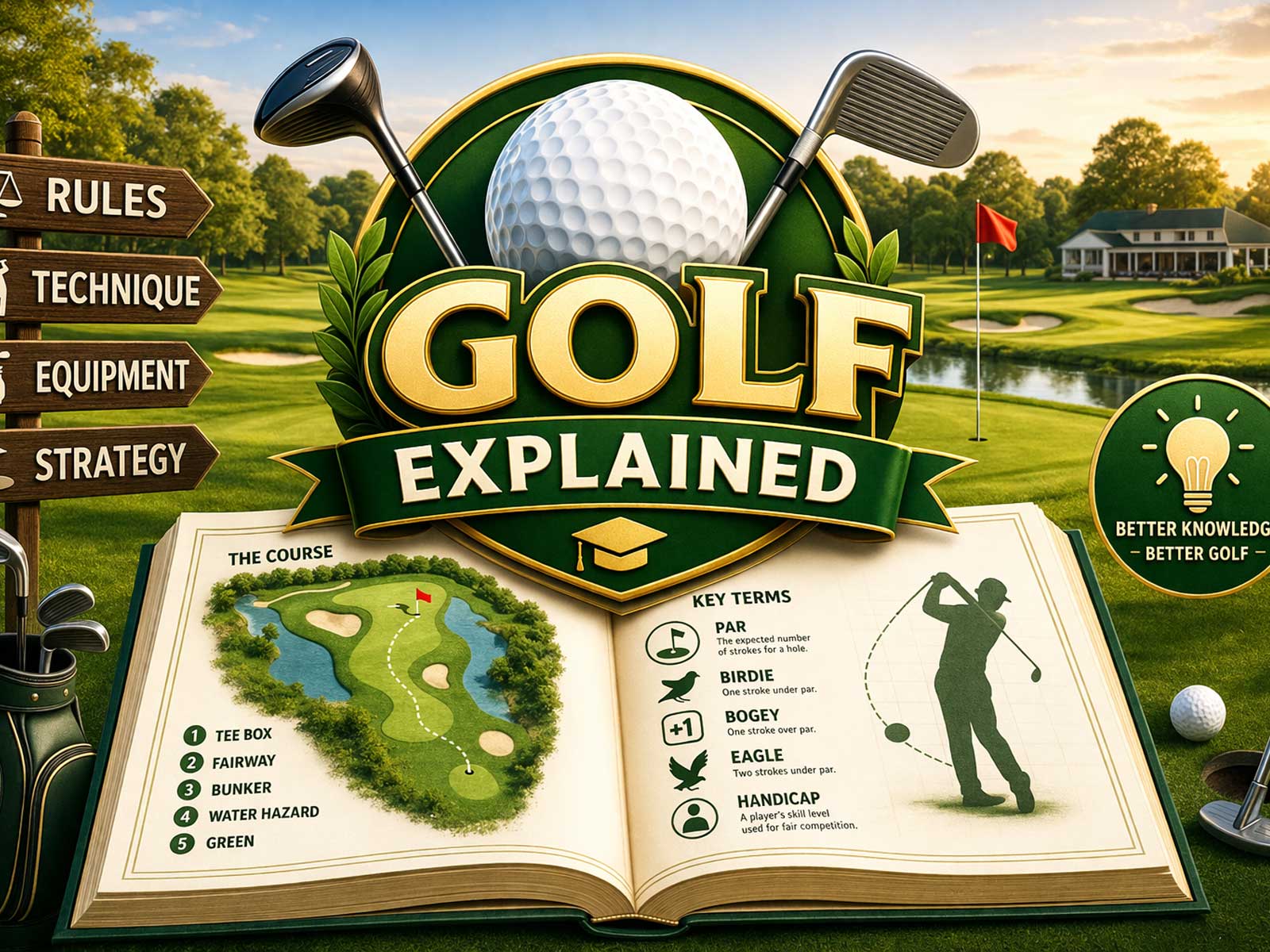
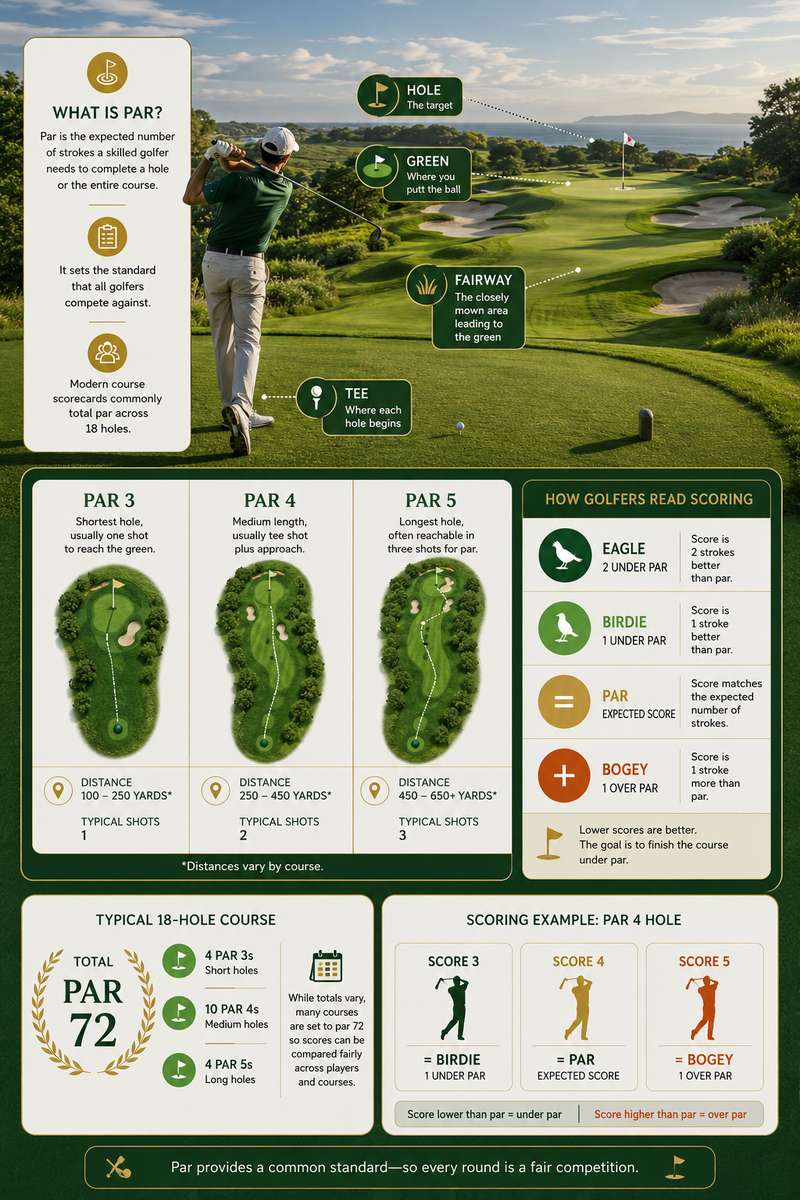
The most important distinction comes down to distance and the expected number of shots to reach the green before two putts. Par-3 holes are shortest and expected to be reached in one stroke (plus two putts). Par-4s are longer and expected to require two strokes to reach the green (then two putts). Par-5s are longer still and expected to require three strokes to reach the green (then two putts). Exact yardage thresholds differ by tee and playing level and are set in course-rating guidance.
SCORING AND HOW GOLFERS READ RELATIVE TO PAR
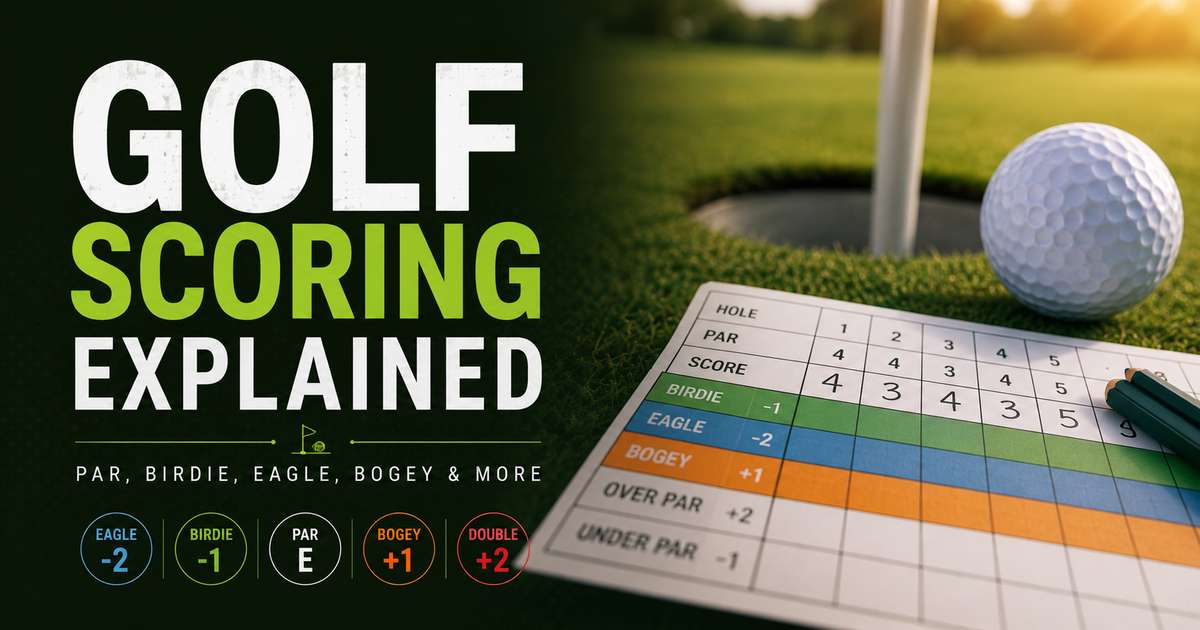
Scoring terms describe performance relative to par. One stroke under par on a hole is a birdie (−1); two under is an eagle (−2); three under is an albatross or double eagle (−3). One over par is a bogey (+1); two over is a double bogey (+2), and so on. A course’s par is simply the sum of each hole’s par—many 18-hole courses sum to around par 72, frequently arranged as four par-3s, ten par-4s and four par-5s, though layouts vary.
COURSE ARCHITECTURE AND STRATEGY
Designers use par to shape the character of a course: where to place long par-4s to test driving accuracy, short par-3s that reward precise iron play, or reachable par-5s that tempt risk. Players and caddies read par alongside hazards, doglegs, wind and pin position to choose clubs and tactics that match the expected number of strokes.
READER VIEWING GUIDE & GOLF ART CONNECTION
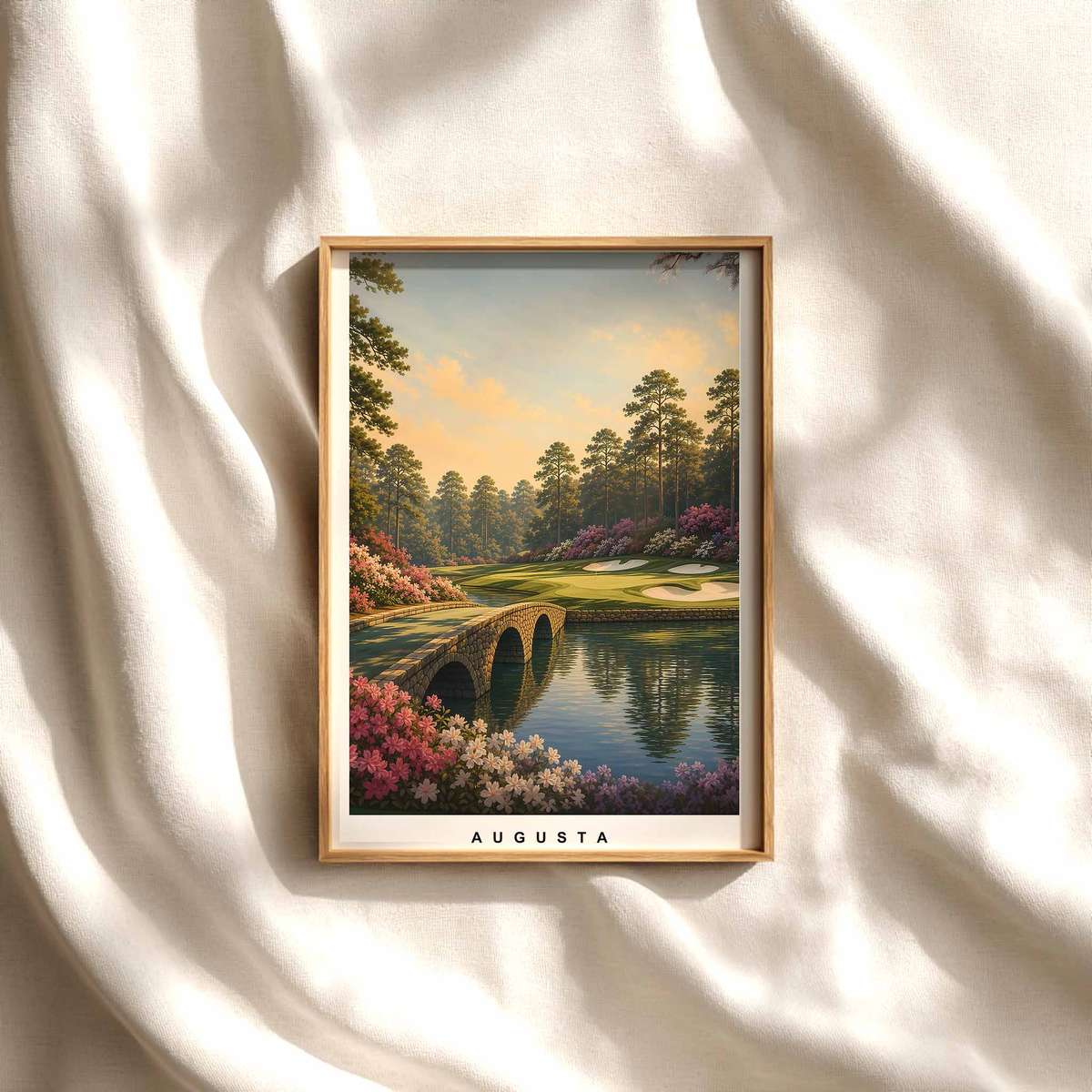
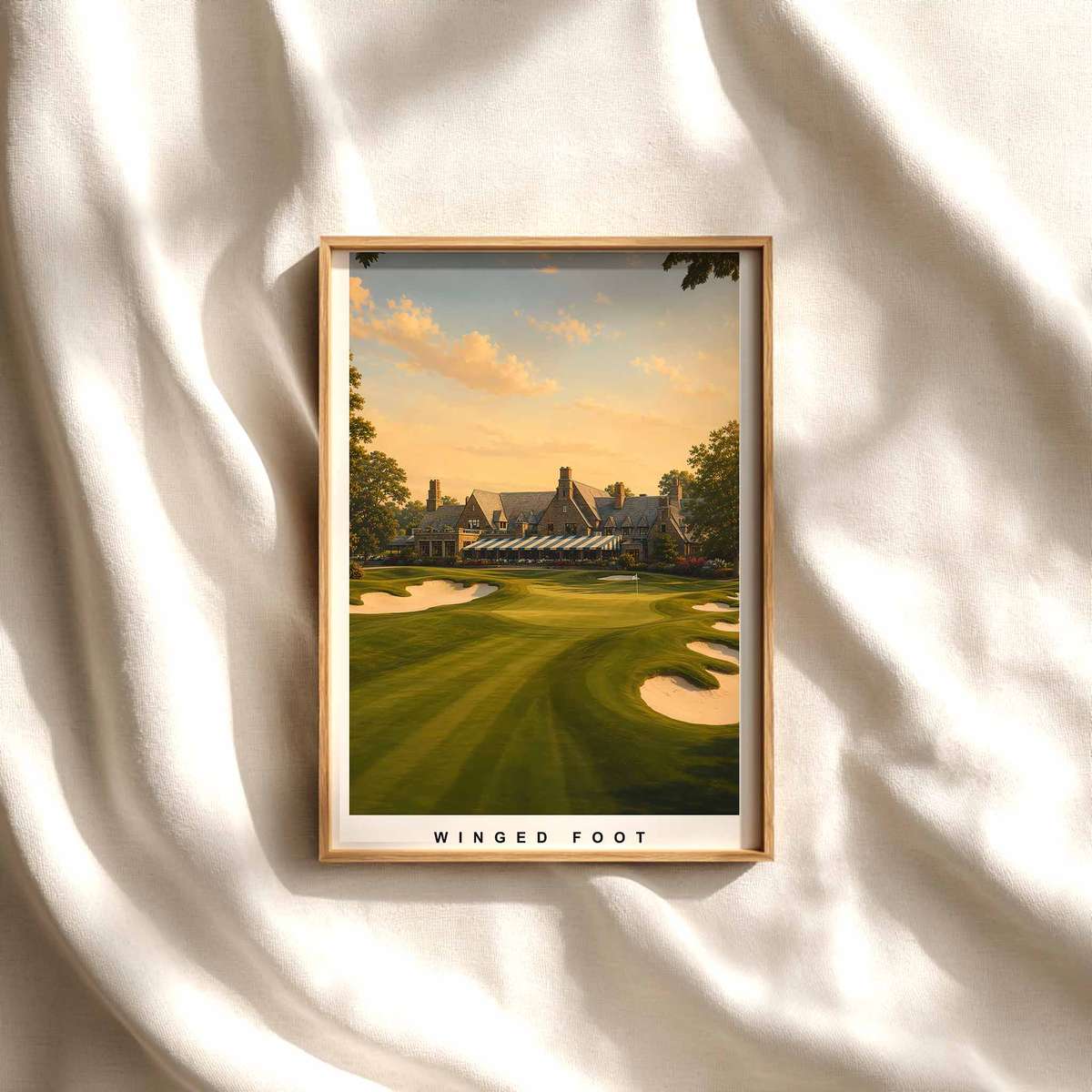
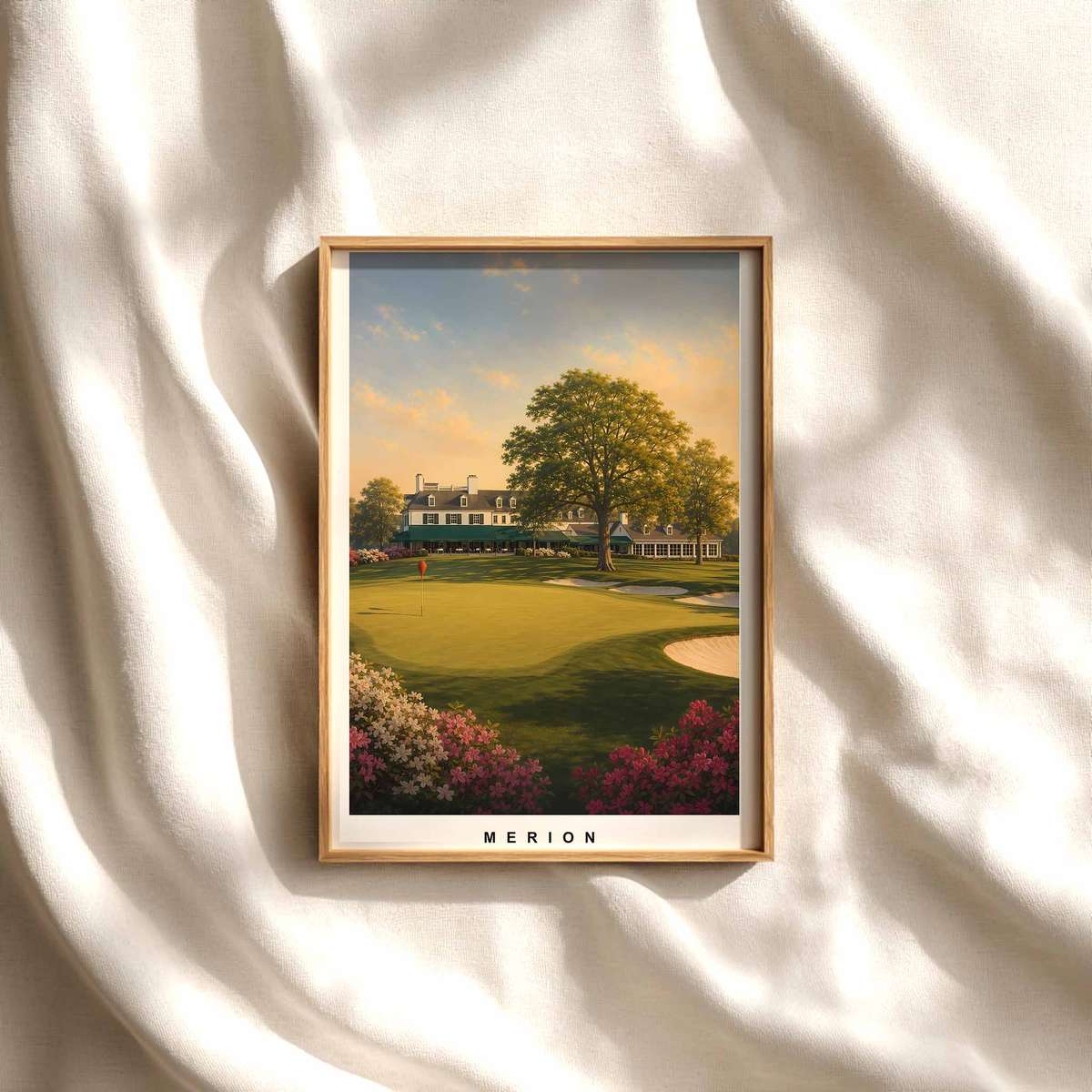
On broadcasts and scorecards, par gives instant context: a shot that finishes three under on a par-5 has different meaning than the same score on a par-4. Visually, par shapes the imagery used in vintage posters and clubhouse prints—long par-5 fairways, dramatic par-3 tee-to-green sightlines, and framed views of famous par-4 finishing holes appear frequently in wall art because they communicate the playing intention and challenge of a hole at a glance.
COMMON MISUNDERSTANDINGS
Beginners often assume par is fixed purely by distance. While length is primary, committees may adjust par for slope, hazards, altitude or unusual green locations. Another confusion is equating par with how good a typical amateur will play; par reflects the expectation for a scratch player, not the average club golfer.
CLOSING INTERPRETATION
Par is a simple number with a complex purpose: it provides a common language for course design, scoring and strategy. Knowing what par represents—an expected score for a scratch player, set mainly by distance with the two-putt assumption—helps beginners read scorecards, helps players plan shots, and helps fans and designers appreciate why certain holes become iconic images in golf art and clubhouse decor.
Author: William L.