Bogey in Golf Explained: One Over Par, Momentum, and Tournament Impact
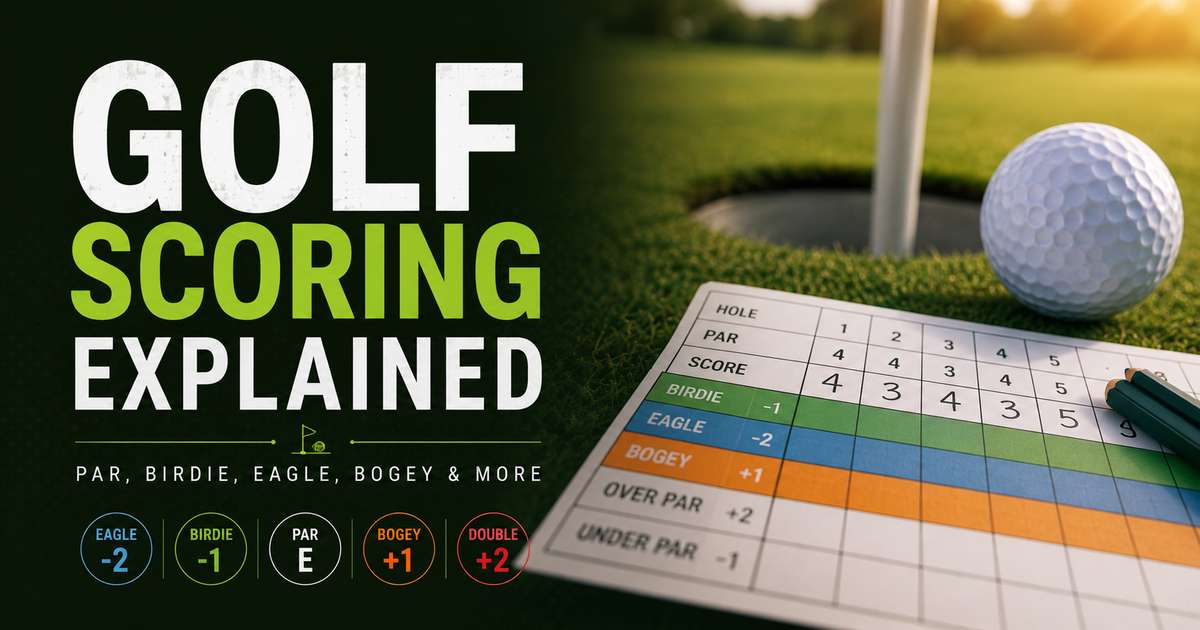
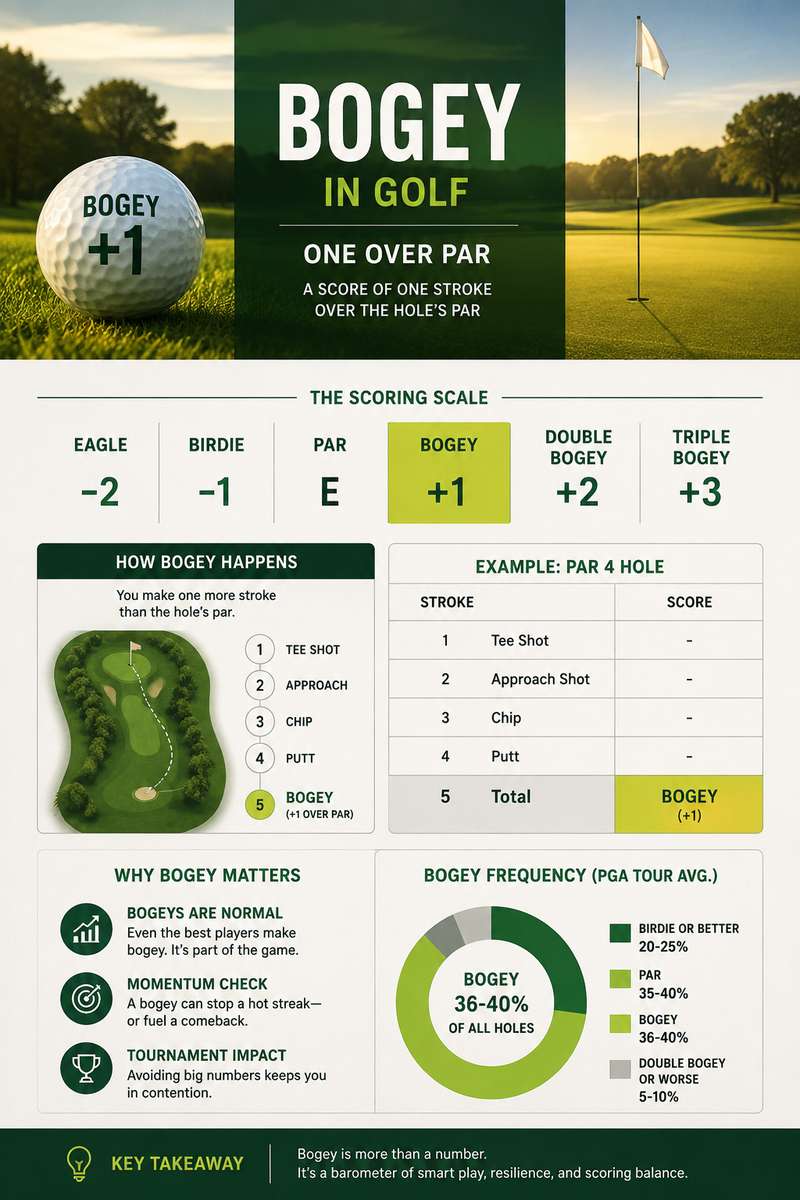
A bogey in golf is a single-hole score equal to one stroke above the hole's par (for example, a 4 on a par-3 or a 6 on a par-5). This simple definition sits at the heart of scoring, strategy and how players manage momentum during a round or tournament.
Quick summary: A bogey = one over par. Historically it once meant a target score similar to today’s par. In modern play, avoiding bogeys is a key strategic priority because each bogey adds one stroke to a player's total in stroke play.
Quick access: Definition • Scoring & tournament impact • Bogey avoidance
Clear definition
A bogey is a hole score of one stroke over par. Par is the expected number of strokes for a hole; therefore a bogey means the player took one extra stroke relative to that expectation. Related terms derived from the same naming pattern include double bogey (two over par) and triple bogey (three over par).
Historical context
Historically the word "bogey" referred to a target score much like today's par. Over time—especially as par became the standardized target score—the meaning shifted in many places, notably in the United States, to mean one-over-par. The term still appears in course-rating contexts such as the USGA's Bogey Rating, which measures difficulty for a bogey-level player.
How bogeys affect scoring and tournaments
In stroke play, the format used for most tournaments, each hole's strokes add to a player's total; a bogey therefore increases the round total by one relative to par. Because lower totals win, every bogey moves a player further from the lead or closer to the cut line depending on tournament position. This arithmetic simple fact is why bogeys are often seen as harmful to tournament standing.
Why bogey avoidance matters
Coaches, analysts and top players emphasize bogey avoidance. Steady pars often outperform an erratic mix of birdies and bogeys because avoiding the extra stroke keeps totals under control and prevents momentum swings. Minimizing bogeys—alongside avoiding big mistakes like multiple three-putts or penalty strokes—creates a foundation for consistent scoring across rounds.
Course strategy and common causes
Bogeys arise from many familiar on-course situations: missed fairways that leave long recovery shots from rough, missed greens that force challenging chips or bunker shots, or misjudged club selection into the wind. Course design elements such as bunkers, narrow approaches, or difficult pin positions raise the chance of bogey, and players respond with conservative club choices or aiming strategies to limit risk.
Short game, putting and limiting bogeys
The shortest route back to par is the short game. A good bunker save, chip close to the hole, or two-putt from a reasonable distance converts potential bogeys into pars. Conversely, missed lag putts that lead to three-putts are a frequent source of bogeys and worse; coaches often stress speed control and routine to reduce those misses.
Handicaps, derived terms and usage
In handicap and course-rating contexts the word "bogey" still has formal usage—the USGA's Bogey Rating, for example, factors into course difficulty measures. Derived scoring terms like double bogey and net double bogey are used in everyday scoring and in handicapping rules as maximums for certain scoring systems. These related terms help players and committees standardize how high hole scores are treated in competitions.
Visual language and clubhouse culture
Bogeys also live in golf's visual and cultural language. Vintage golf posters and clubhouse wall art often celebrate iconic pars and birdies or depict classic risk-reward holes where bogeys are an expected outcome. For interior decorating—study art or clubhouse prints—images of strategic approaches, bunkered greens, and classic fairways visually suggest the moments when bogey avoidance matters most.
Closing interpretation
Understanding a bogey means more than knowing the score; it explains a player's priorities on-course. One extra stroke influences tournament mathematics, informs conservative strategy, and highlights the value of short-game competence. Whether you’re learning the scoring terms, watching a broadcast, or choosing a print for a study wall, knowing why bogeys happen and how players try to avoid them sharpens your reading of the game.
Author: Alex R.