Reading Pinehurst No. 2 as a Complete Strategic Sequence
Pinehurst No. 2 reads like a single, sustained test: a routing that prizes modest tee shots and then confronts you with approach shots that rarely sit comfortably. Donald Ross’s masterpiece is famous for its convex "turtleback" greens and subtle surrounds; together they force constant decisions about club, trajectory and recovery. This piece guides the player through No. 2 as a sequence—hole by hole and in blocks—so you can feel the rhythm of the round and understand why precision around the green matters as much as tee placement.
Pinehurst No. 2 rewards sober driving and punishes casual approaches. The restored sandy surrounds and subtle green shapes turn nearly every miss into a tactical recovery.
First visual reading of the course
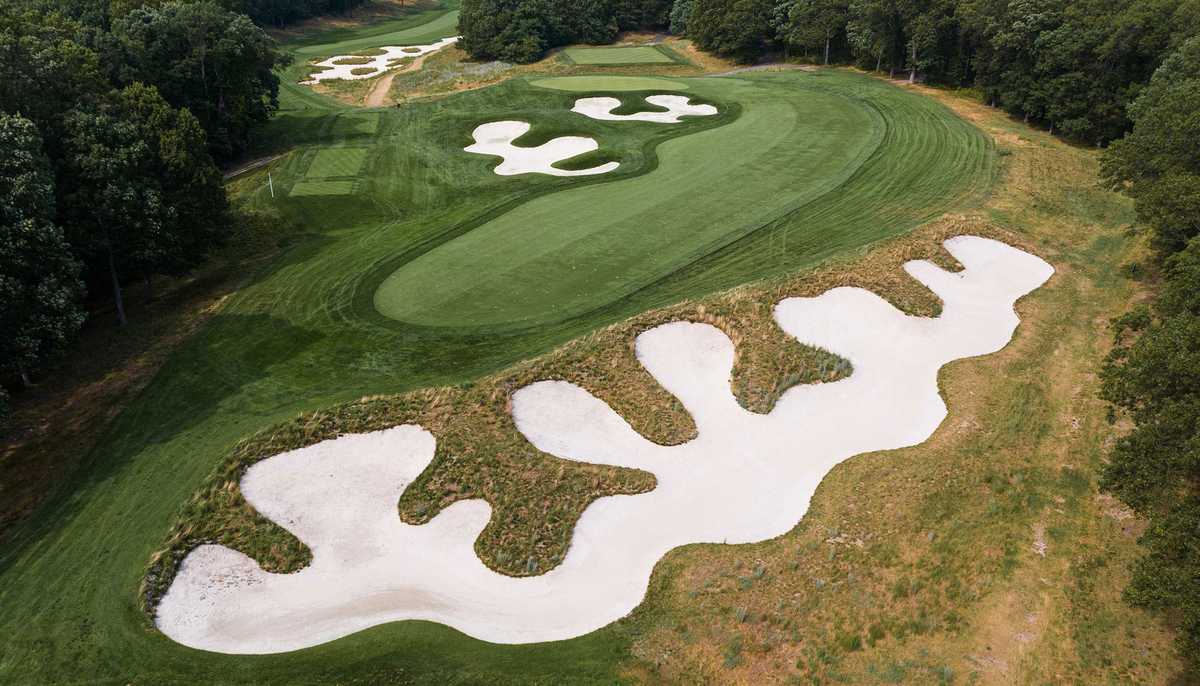
At first glance No. 2 looks deceptively plain: wide sandy waste areas, wiregrass, low fescue and few dramatic elevation changes. That plainness is the point. The architecture relies on firm, fast turf and convex greens to create visible but indirect intimidation: you see the green, but you cannot rely on its surface to receive the ball. That visual simplicity hides an exacting strategic interior—Ross’s contours, restored to original intent, make the surrounds and run-offs as meaningful as the putting surfaces themselves.
Layout, routing and strategic personality
No. 2 routes through the Sandhills with a clear logic: tee shots are often about finding angles and preferred approach corridors rather than raw distance. Ross’s routing produces holes that play in blocks—some that push you wide and then return, some that present consecutive target greens that test short-game balance. The restored course removed excessive rough and reintroduced sandy, wiregrass surrounds so that recovery lies are varied and creative, not merely penal. The strategic personality is therefore restrained off the tee and severe on approaches.
Greens, bunkers, hazards and decision-making
The most defining trait is the convex or "turtleback" green. Approaches that land on certain parts of the surface run off, and the surrounding hollows, humps and sand make recoveries complicated. Bunkers and natural hollows are positioned to catch misreads and to steer running shots away from simple chip-and-putt answers. As commentators and restoration notes emphasize, the green contours and surrounds are equal partners in the strategic test—so a miss rarely results in a straightforward up-and-down; it turns into a tactical problem that rewards precise short-game creativity and course management.
What the landscape asks from the player
The Sandhills soil and firm conditions encourage run-up shots and demand thoughtful trajectory control. Players are asked to choose club and flight carefully: too low and the ball will run past the targeted zone; too high and it may catch a crown and escape. Tee shots are therefore often conservative by design—find an angle, accept a longer approach if it reduces the chance of hitting the wrong side of a green crown. The restored surrounds deliberately increase the tactical options for recovery, so creativity from grassy hollows or sandy lies is part of good scoring.
Signature holes, blocks and memorable sightlines
Rather than a single signature moment, No. 2 is signature by sequence. Groups of holes form mini-tests: some demand repeated controlled driving to set comfortable approach angles; others tempt riskier lines that can shave strokes but increase the chance of a runaway miss on a crowned green. The most memorable sightlines are those that pair a deceptively simple fairway with an uncompromising green—visually calm but strategically restless. Those contrasts create lasting images: a lone green crowned like a turtleback, ringed by sand and wiregrass, waiting to throw off any soft or careless approach.

Tournament identity and competitive pressure
Pinehurst No. 2’s design naturally amplifies championship pressure. Firm-and-fast surfaces increase run-offs, meaning tournament players face a relentless premium on approach accuracy and short-game skill. The course’s restored strategic features were specifically intended to bring Ross’s original options back into play—making recovery shots and inventive short-game play central under scoring pressure. In competition, that combination turns pars into triumphs and average approaches into costly mistakes.
Heritage, prestige and why No. 2 became iconic
Donald Ross’s No. 2 stands as his most celebrated work at Pinehurst because it encapsulates an architectural philosophy: subtlety over spectacle, strategic nuance over visible drama. The 2011 restoration returned aggressive sandy surrounds and the green complex fidelity that make the course both beautiful and exacting. That balance—sparse landscape married to intricate single-shot demands—explains why the course holds such cultural weight in golf architecture and in championship settings.
Closing interpretation: what to remember
Read Pinehurst No. 2 as a sequence and you see the design’s moral: keep the tee game modest and trust your short game. The real pressure comes when approach shots refuse to behave; the turtleback greens and strategic surrounds convert small misses into multi-action recoveries. Playing No. 2 rewards patience, creativity around the green, and an understanding of trajectory and bounce. That is why the course matters—its beauty is inseparable from the strategic test it presents, hole after hole.
If you’re studying course design or preparing to play a round, think in blocks: manage angles from the tee, respect the green crowns, and rehearse a variety of recovery shots. On No. 2 the smartest play often looks conservative, and the bravest shots are chosen with the best read of the green complex.
Author: {Cynthia D.}