Birdie vs Bogey in Golf: Scoring, Emotion, and How One Hole Can Change a Round
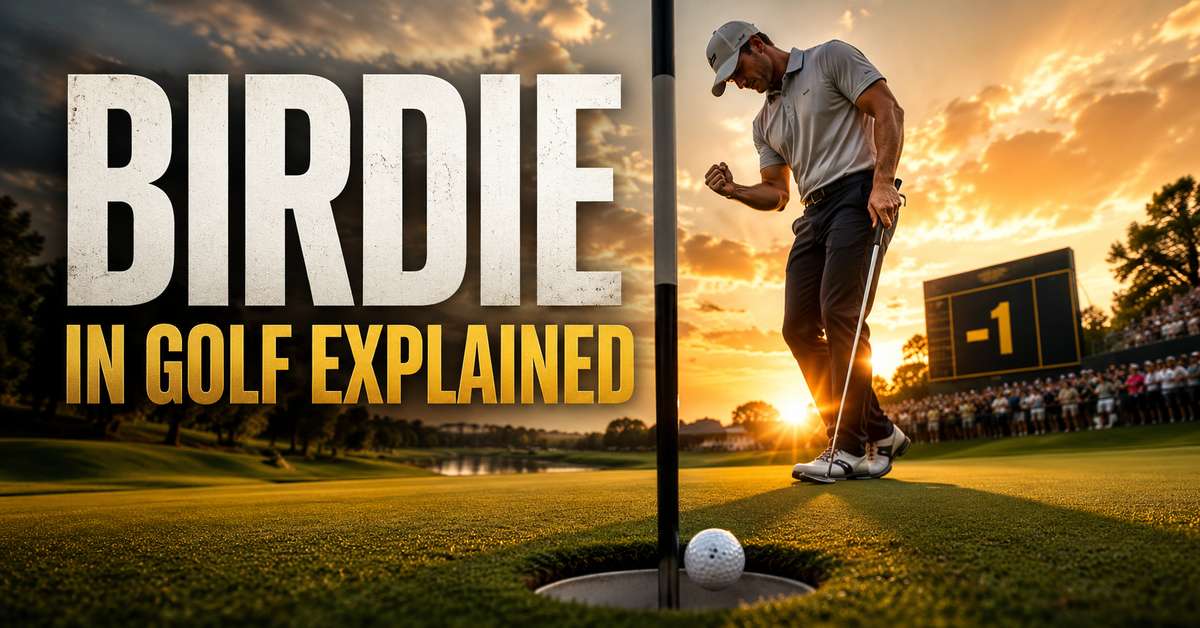
A single hole can shift a scorecard and a mood. Birdie vs bogey is one of golf’s simplest but most telling contrasts: one stroke under par or one stroke over par, and each carries practical, strategic and emotional weight for players and fans.
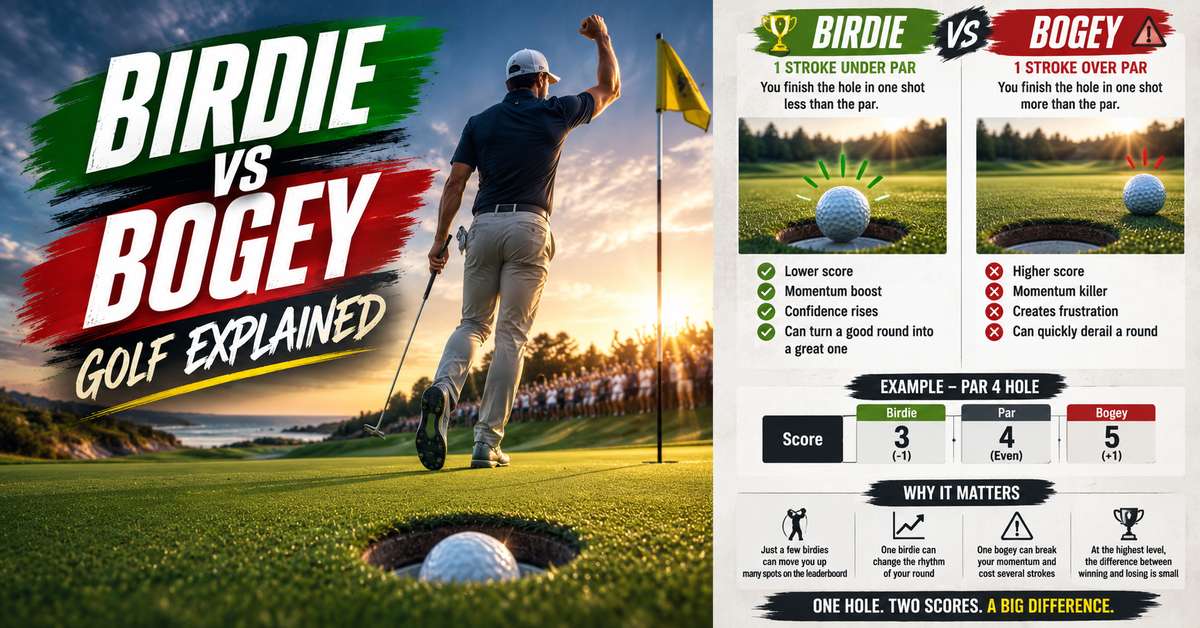
Quick summary: A birdie is one under par on a hole (for example, a 3 on a par-4). A bogey is one over par on a hole (for example, a 5 on a par-4). Both terms are standard golf vocabulary used by organizations such as the PGA and USGA.
Quick access: Definition · Scoring & impact · History
CLEAR DEFINITION
In plain terms, a birdie is a score of one stroke under par on a hole; a bogey is a score of one stroke over par. So on a par-4, a 3 is a birdie and a 5 is a bogey. These are standard scoring terms used across golf instruction and official style guides.
HOW IT WORKS
Par is the expected number of strokes for a hole. When you finish a hole one stroke less than that expectation, the score is recorded as a birdie. Finish one stroke more and it’s a bogey. On the scorecard these results are the simplest measures of a hole-level success or setback.
SCORING AND WHY IT MATTERS
A single birdie improves a player’s score relative to par and, in stroke play, can move a player up a leaderboard; a bogey does the reverse. Golf coverage and instruction underline how individual holes matter: a birdie can create momentum and opportunity, while a bogey can force a player to recover mentally and strategically over the remaining holes.
HISTORICAL ORIGIN OF THE TERMS
The word "birdie" comes from early-20th-century American golf slang where "bird" meant something excellent. The usage commonly cited in histories attributes the term to an incident around 1903 at Atlantic City Country Club. Both birdie and bogey have since entered the standard golf vocabulary and appear in official style guidance and dictionaries.
EMOTIONAL CONTRAST AND COURSE STRATEGY
Beyond the numbers, birdies and bogeys carry distinct emotional tones. Players often celebrate birdies as validation of a good swing, putt, or strategic risk that paid off. Conversely, a bogey can interrupt rhythm and prompt a mental reset. Coaches and sports-psychology commentary for professionals stress the importance of recovering quickly from bogeys and building on birdies.
SHORT GAME, CLUBS AND SHOT MAKING
Whether a hole becomes a birdie or a bogey often comes down to execution around the green: approach distance control, wedge choice, bunker play, and putting speed. Clubs and shot selection that leave a manageable putt increase birdie chances; errant approaches into rough or hazards raise the risk of bogey. These are practical, everyday decisions for players of all levels.
READER VIEWING GUIDE & GOLF ART CONNECTION
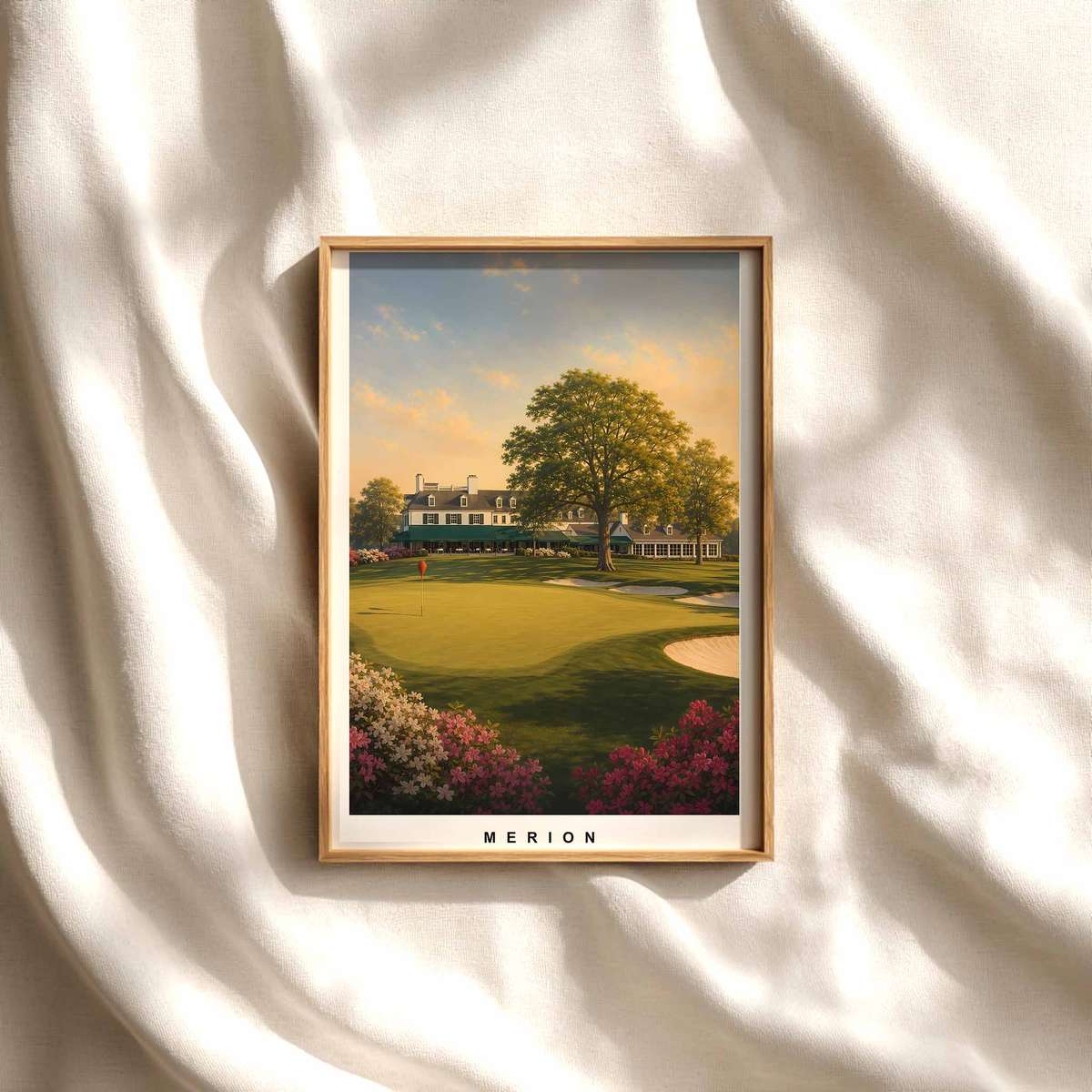
On broadcasts and scorecards, birdies are highlighted as momentum swings and are often the focus in highlights. Visually, the contrast between a successful birdie shot and a disappointing bogey moment translates well into golf posters and vintage prints: the graceful arc of a well-struck iron, the solitary figure on a windswept fairway, or the chalked numbers on a scorecard all tell that small drama. Clubhouse wall art and study prints that pair iconic holes with simple scoring cues capture the emotional and aesthetic duality of birdie vs bogey.
COMMON MISUNDERSTANDINGS
Beginners sometimes assume birdie and bogey are subjective judgments rather than exact relations to par. Another confusion is over other terms (eagle, double bogey, albatross): birdie and bogey are specifically one under and one over par; other names represent larger deviations from par.
CLOSING INTERPRETATION
Birdie vs bogey is a compact pair of terms that combine scoring, psychology and design. They measure performance hole by hole, inform shot choices and club selection, and shape how rounds are remembered. Understanding the difference gives players clearer goals and helps fans read a scorecard—and it explains why a single hole can feel like a small triumph or a sudden setback worthy of a poster or a long post-round conversation.
Author: Eric M.